Mục lục bài viết (6)
- What is a Fixed RFID Portal? Which Warehouses Benefit?
- What is a Handheld RFID Reader? When Should You Use It?
- Detailed Comparison: Fixed RFID Portal vs. Handheld RFID Reader
- Choose by Use Case: Which Warehouse Type Needs Fixed Portals? Which Needs Handheld?
- Advantages and Disadvantages of Each Solution
- Frequently Asked Questions
Effective warehouse management requires precise inventory control, reduced shrinkage, and faster stocktaking. Fixed RFID portals and handheld RFID readers are two core devices in RFID systems, each serving distinct purposes. This article compares both solutions in detail — helping businesses select the right equipment for their warehouse, optimize costs, and improve operations.
What is a Fixed RFID Portal? Which Warehouses Benefit?

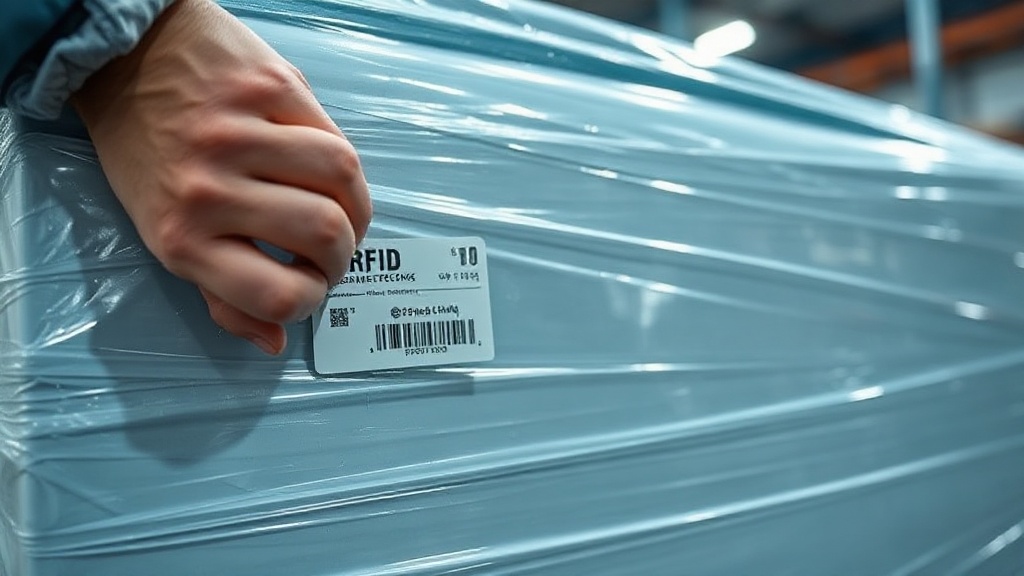
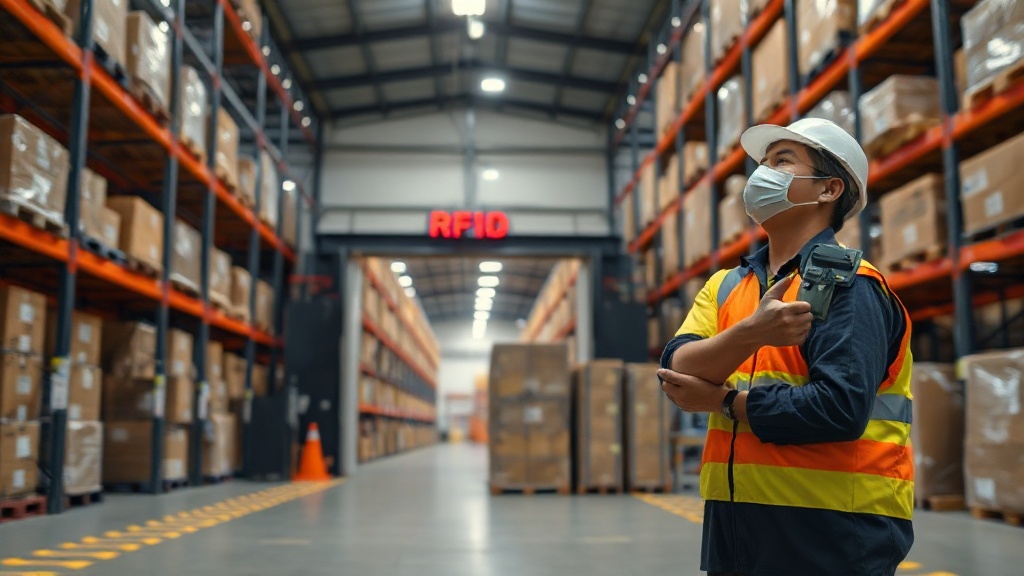
A fixed RFID portal (fixed RFID portal) is a system comprising fixed readers, antennas, and a portal frame installed at entry/exit points, conveyor belts, or control zones. It automatically reads RFID tags as pallets/containers pass through, requiring no manual intervention. Ideal for distribution centers, regional hubs, manufacturing plants with high cargo throughput.
Fixed portals operate continuously 24/7, recording every inbound/outbound transaction in real time. Read speed reaches 200–600 tags/second with range of 3–10 meters depending on antenna configuration. Data automatically syncs to warehouse management software (WMS) or RFID warehouse & logistics management solutions, ensuring strict control over cargo movement.
Advantages: complete automation, no labor required, high accuracy (≥99%), real-time data. Disadvantages: high initial investment (VND 50–150 million per portal depending on Chainway, Zebra, Honeywell vendors), fixed installation, difficult to relocate.
What is a Handheld RFID Reader? When Should You Use It?



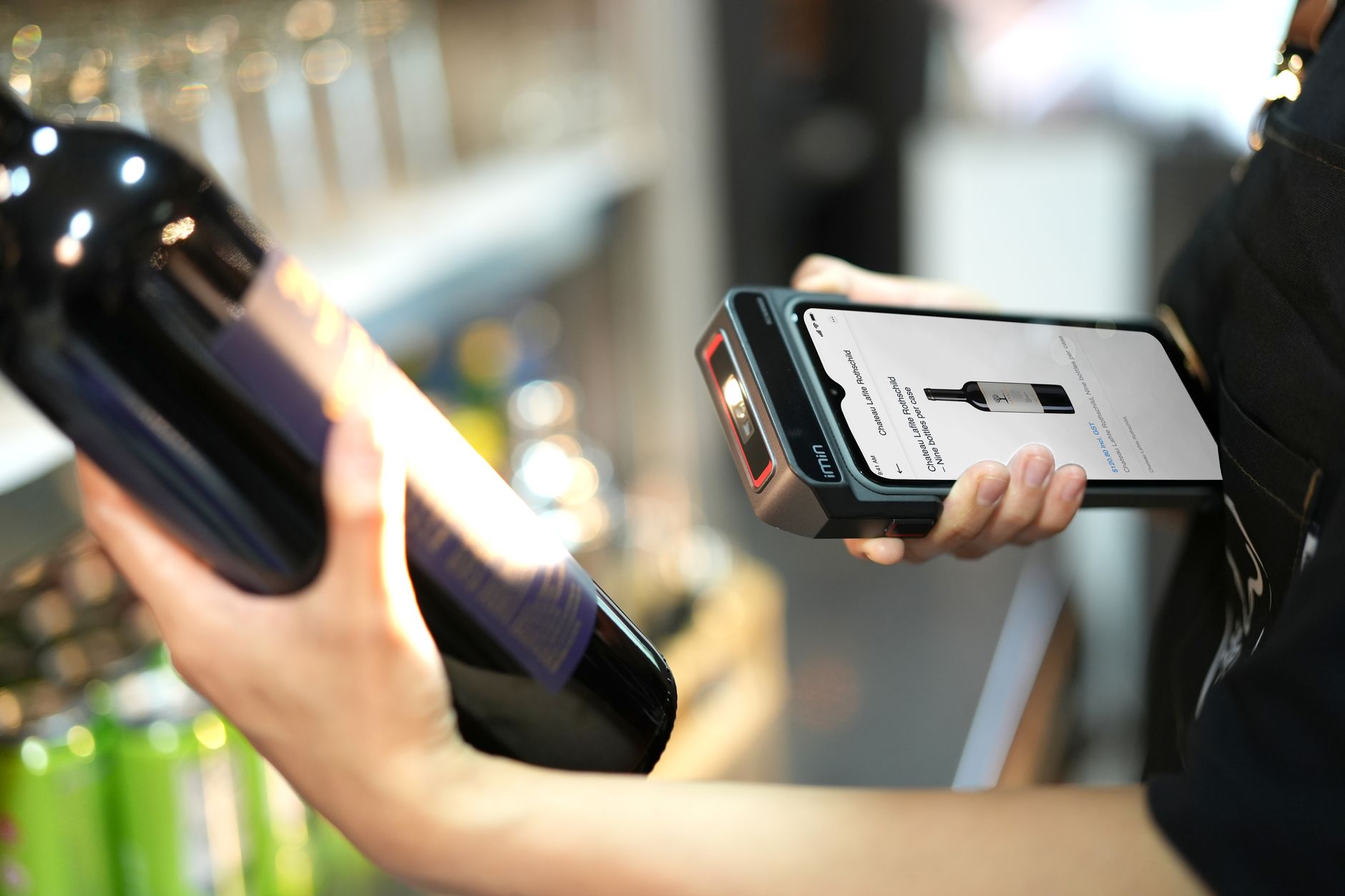
A handheld RFID reader (handheld RFID reader) is a mobile device with integrated antenna and battery, allowing staff to scan tags at any location within the warehouse. Ideal for periodic inventory counts, small warehouses, showrooms, retail stores, and mobile asset management.
Bạn đang tìm sản phẩm cho chủ đề này?
Việt POS phân phối chính hãng — bảo hành 24-36 tháng, hỗ trợ kỹ thuật 24/7.

Chainway C5E UHF RFID Reader (Android 16) — Handheld RFID Reader

Chainway MC51S UHF RFID Reader (Android 16) — Handheld RFID Reader

Chainway MC80 5G UHF RFID Reader (Android 16) — Handheld RFID Reader
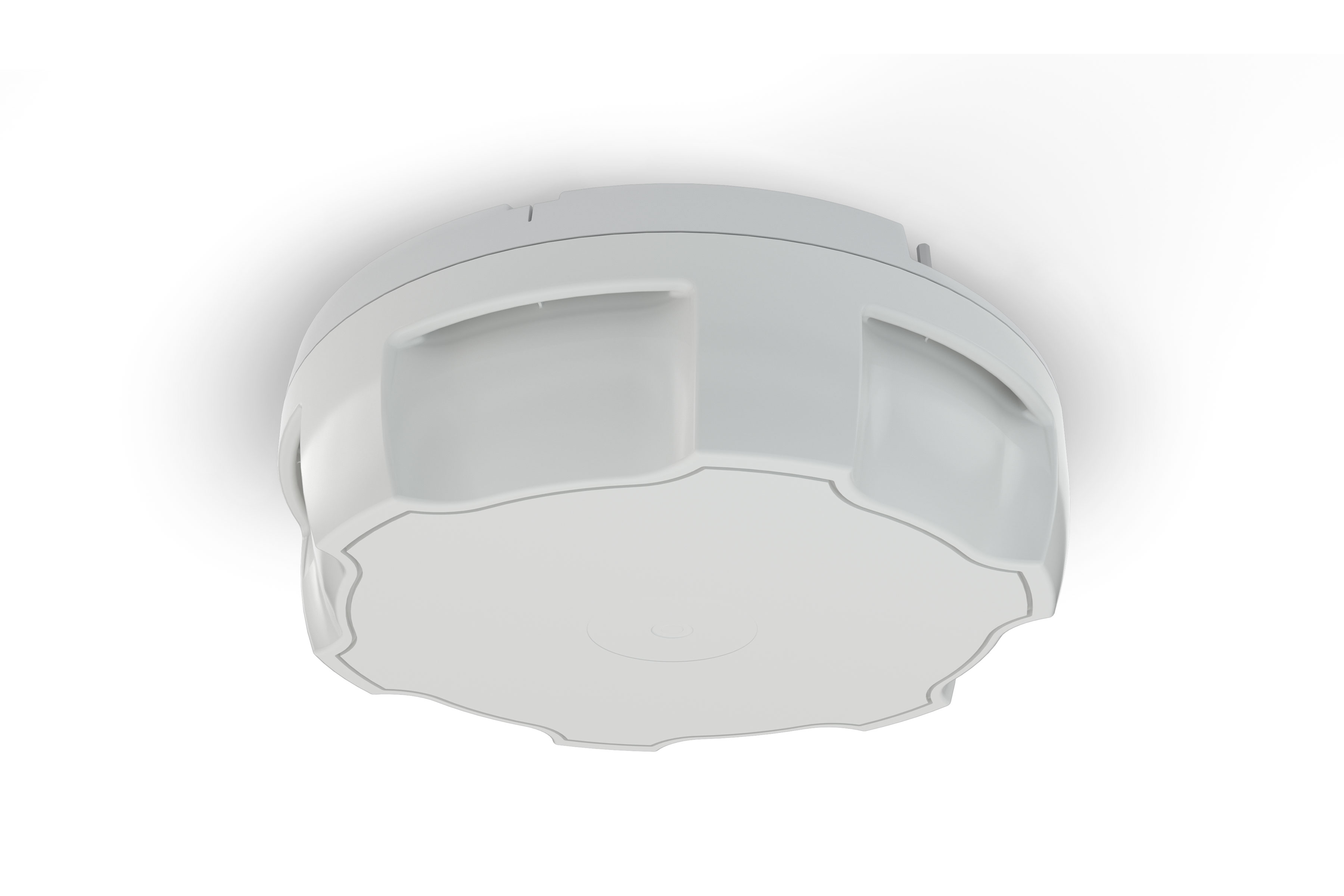
Zebra ATR7000 Overhead RFID Reader — Ceiling-Mounted RFID Reader
Popular product lines: Chainway C66 UHF, Chainway C61, Zebra MC3390R, Honeywell CK65. Read range 0–15 meters, scan rate 100–300 tags/second. Battery runtime 8–12 hours, runs Android, supports camera, 4G, Bluetooth integration. Staff simply walk aisles and scan shelves; data auto-saves and syncs.
Advantages: flexible, low cost (VND 15–40 million per device), easy deployment, mobile. Disadvantages: labor-dependent, slower than fixed portals, difficult for continuous monitoring.
Detailed Comparison: Fixed RFID Portal vs. Handheld RFID Reader
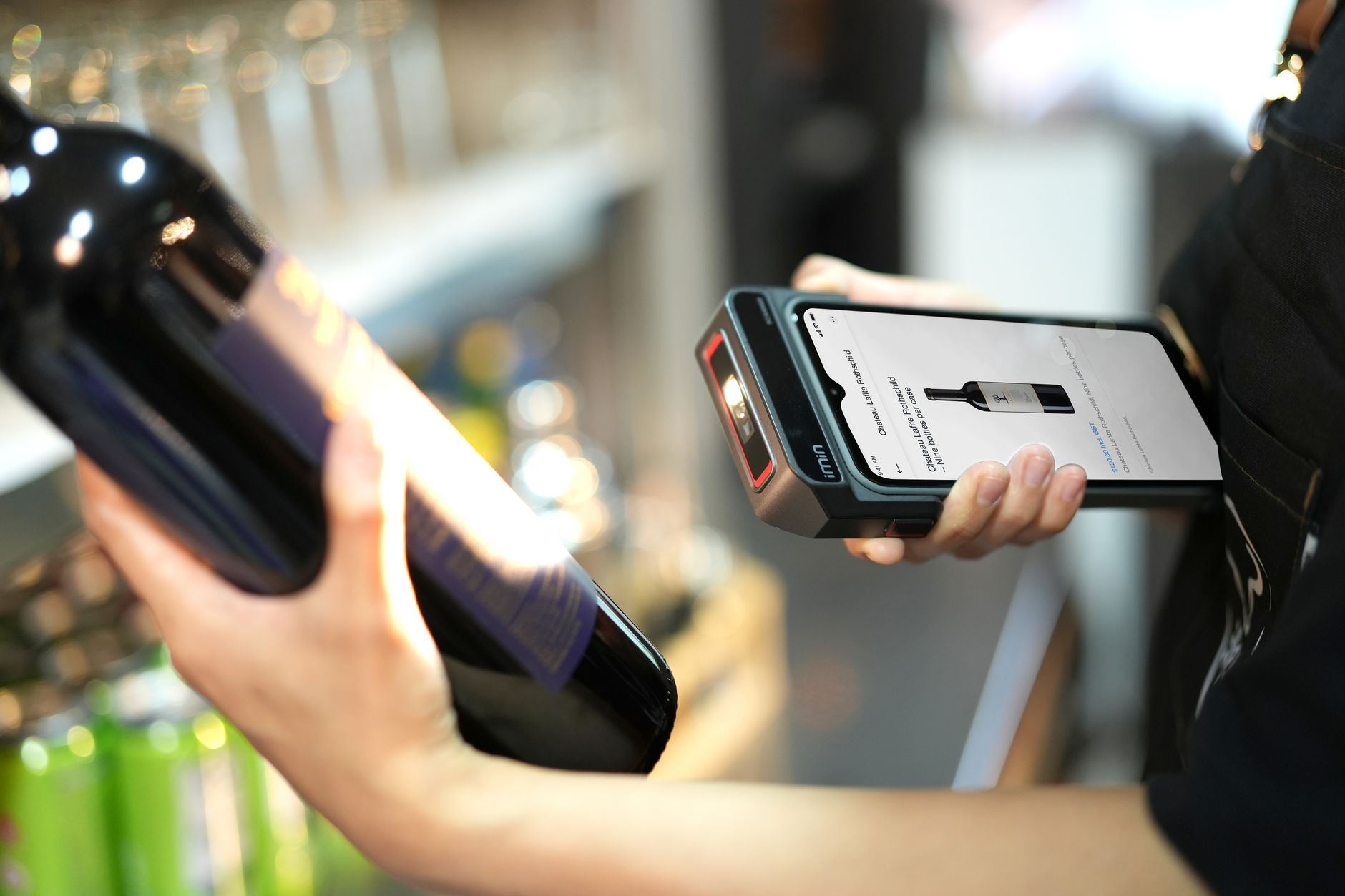
The comparison table below evaluates six key criteria: cost, speed, accuracy, flexibility, maintenance, and scalability. Cells highlighted in green represent the optimal choice for each criterion.
| Criteria | Fixed RFID Portal | Handheld RFID Reader |
|---|---|---|
| Initial Investment Cost | High (VND 50–150 million per portal) | Low (VND 15–40 million per device) |
| Read Speed | Very Fast (200–600 tags/second) | Fast (100–300 tags/second) |
| Accuracy | Very High (≥99%) — automatic, no human error | High (≥95%) — depends on scanning technique |
| Flexibility | Low — fixed at installation point | High — mobile, scans anywhere |
| Maintenance & Operations | Moderate — requires technician antenna checks, power management | Low — charge battery, update firmware |
| Scalability | Easy — add new portals, integrate with WMS | Moderate — purchase additional devices, manage software |
Choose by Use Case: Which Warehouse Type Needs Fixed Portals? Which Needs Handheld?

Each warehouse model has different requirements. Below are four common use cases with recommended equipment and specific justifications.
Use Case 1: Distribution Center / Regional Hub (≥5000m²)
Recommendation: Fixed RFID Portal. High cargo throughput, continuous inbound/outbound. Fixed portal automatically records every pallet and container movement, eliminating manual data entry entirely. Combine with pallet & container RFID portal for comprehensive warehouse management.
Use Case 2: Small Warehouse / Showroom / Retail Store (≤200m²)
Recommendation: Handheld RFID Reader. Limited space, low inventory. Staff holds device and scans shelves in 15–30 minutes for accurate count. Low cost, flexible movement between zones.
Use Case 3: Retail Chain (Multiple Locations)
Recommendation: Hybrid Approach. Install fixed portal at each store entrance to control inbound/outbound. Staff use handheld readers for periodic inventory counts and exception handling. Data from both devices syncs to central retail management software for comprehensive control.
Use Case 4: Cold Storage / Specialized Warehouse
Recommendation: Cold-Rated Handheld RFID Reader. Example: Chainway C63 Cold Storage, rated for -20°C environments. Fixed portals are difficult to install and maintain in cold storage due to moisture and ice buildup.
Advantages and Disadvantages of Each Solution
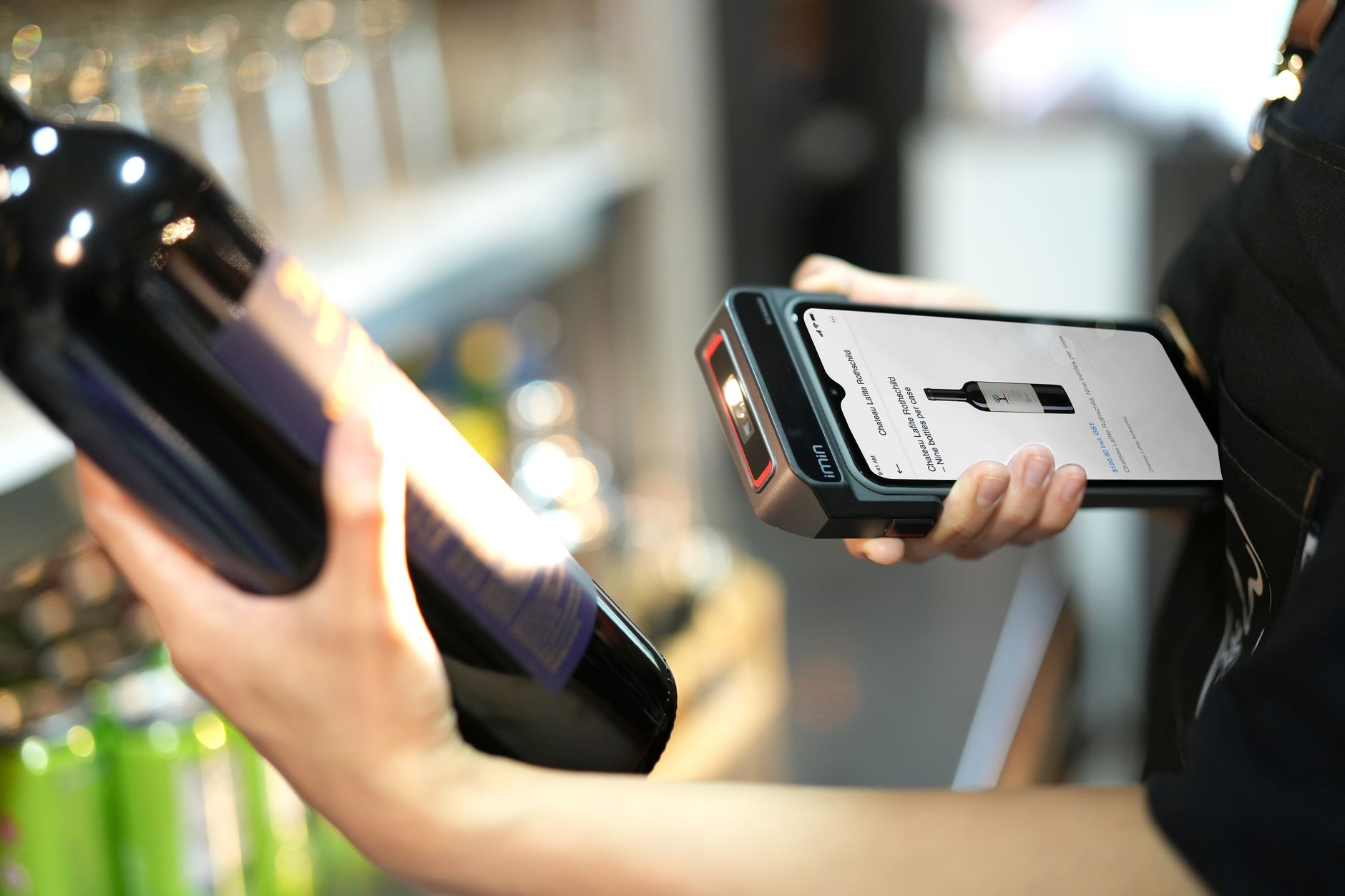
Quick overview of fixed RFID portals and handheld RFID readers — advantages and disadvantages — providing a comprehensive view before decision-making.
Fixed RFID Portal
- Advantages: Complete automation, no labor required, real-time data, high accuracy, strict cargo movement control.
- Disadvantages: High initial cost, fixed installation, difficult to relocate, requires electrical and network infrastructure.
Handheld RFID Reader
- Advantages: Flexible, low cost, easy deployment, mobile, suitable for any warehouse size.
- Disadvantages: Labor-dependent, slower than fixed portals, difficult for continuous monitoring, battery-dependent.
Frequently Asked Questions
How far can a fixed RFID portal read?
Read range depends on reader power, antenna type, and RFID tag quality. Typically, UHF fixed portals read 3–10 meters. With high-power antennas and quality passive tags, ranges of 12–15 meters are achievable. However, metal environments and liquids reduce range.
How long does it take a handheld RFID reader to inventory a 1000m² warehouse?
With a device like Chainway C66, staff walking aisles and scanning shelves can complete a 1000m² inventory in 30–60 minutes depending on cargo density. Compared to manual barcode inventory (4–6 hours), this saves 80–90% of time.
Can you combine fixed portals and handheld readers in one system?
Yes, absolutely. Many organizations deploy hybrid models: fixed portals control inbound/outbound, handheld readers handle periodic inventory or exception processing. Data from both devices syncs to a single warehouse management platform, enabling comprehensive control.
How much does it cost to install a fixed RFID portal?
Total cost includes: fixed reader (Chainway UR4, UR8), antenna, portal frame, cabling, installation, software configuration. Basic solutions range VND 50–80 million per portal. Advanced systems with multiple antennas and WMS integration can reach VND 120–150 million. Việt POS provides custom quotes.
Which handheld RFID reader is best for cold storage?
Chainway C63 Cold Storage Mobile Computer is rated -20°C to 60°C with 9000mAh battery and cold-rated touchscreen. Zebra MC3330R also offers cold-rated options. Choose devices with IP65+ certification for dust and moisture protection.
Việt POS provides end-to-end RFID solutions: site surveys, equipment consulting (Chainway fixed portals, Zebra/Honeywell handheld readers), installation, POS/WMS integration, staff training, 12–24 month warranty. Contact hotline 0935 498 384 or email info@vietpos.vn for detailed quotes.
Cần tư vấn thiết bị/giải pháp cụ thể?
Việt POS phản hồi trong 30 phút · Hotline 4 vùng · Khảo sát miễn phí.
Bài viết cùng chủ đề