Mục lục bài viết (6)
- Why is RFID management of tools, molds, and jigs superior to barcodes?
- Practical comparison: Manual/Barcode vs. RFID
- Frequency regulations and RFID compliance in Vietnam
- RFID applications in calibration reminders for measuring instruments
- Physical limitations to consider when deploying RFID
- Investment costs and survey recommendations
In modern industrial manufacturing environments, managing fixed assets and tools such as molds, jigs, and measuring equipment plays a critical role in maintaining a continuous supply chain. Radio Frequency Identification (RFID) technology is gradually replacing traditional methods, offering high transparency and accuracy in tracking asset lifecycles. This article provides an in-depth analysis of RFID applications in managing tools, molds, and jigs, while clarifying technical standards and practical limitations of this technology in the Vietnamese market.
Why is RFID management of tools, molds, and jigs superior to barcodes?
RFID excels due to its ability to identify from a distance without requiring direct contact or line-of-sight. While barcodes require staff to locate and scan each code individually, RFID allows batch reading of dozens of devices simultaneously. This enables businesses to accurately control the location, maintenance status, and calibration schedules of equipment automatically, significantly reducing downtime caused by misplaced tools.
Differences in operational performance
Managing with paper records or Excel often leads to data discrepancies due to human factors. Barcodes improve accuracy but face major speed obstacles when tool counts reach thousands of units. UHF RFID tags can be read from distances of 1 meter to over 10 meters depending on antenna type and reader power, allowing warehouse staff to complete inventory checks simply by walking past shelves.
Resistance to harsh environments
Molds and jigs often operate in high-temperature, oily, or dusty environments. Standard paper or plastic barcode labels are prone to peeling and smudging, leading to data loss. In contrast, specialized RFID tags (On-metal tags) are designed with rugged protective housings that withstand impacts and chemical exposure, ensuring longevity that matches the equipment's lifecycle.
Practical comparison: Manual/Barcode vs. RFID
The choice between barcode and RFID depends on budget and data processing speed requirements. Barcodes have low initial investment but require significant labor for operations. RFID has higher upfront costs but delivers superior time efficiency and accuracy in large-scale warehouses or environments with stringent maintenance process requirements.
Bạn đang tìm sản phẩm cho chủ đề này?
Việt POS phân phối chính hãng — bảo hành 24-36 tháng, hỗ trợ kỹ thuật 24/7.

Chainway CM710-8 UHF RFID Module (8-Port) — Impinj E710, 93.0 x 79.8 x 8.9mm
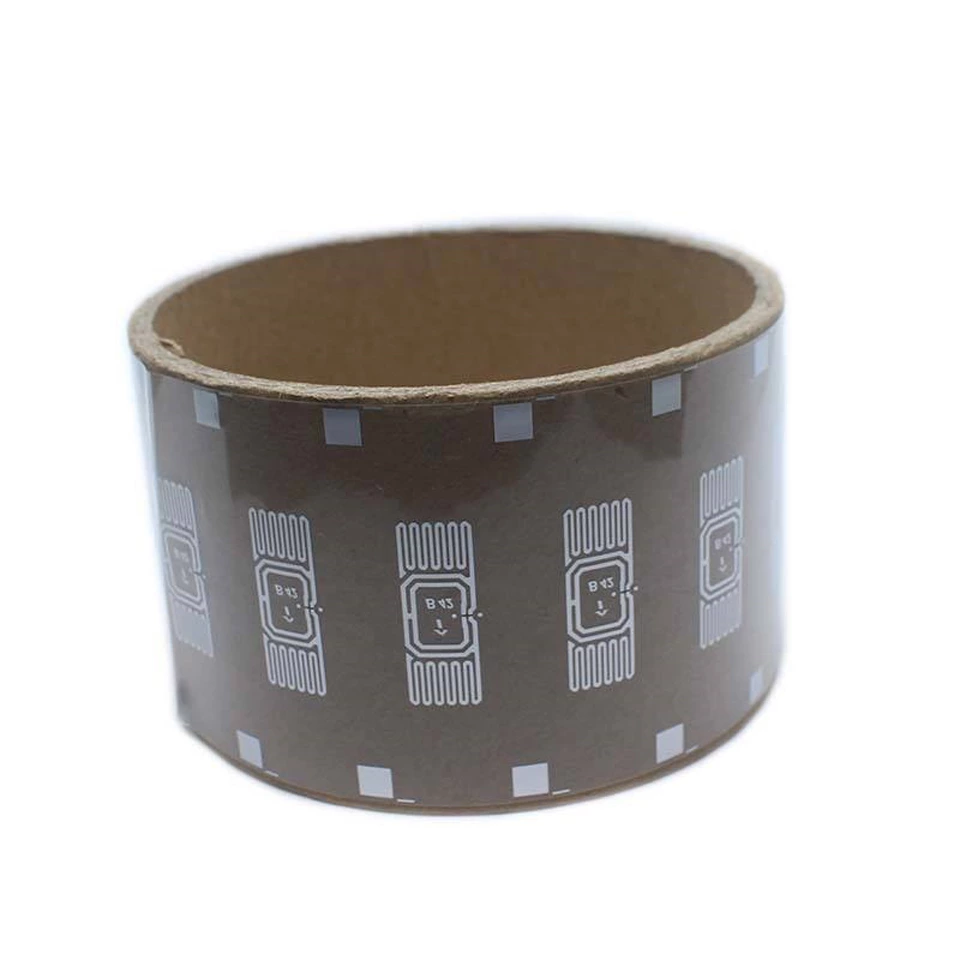
RFID Wet Inlay / Dry Inlay UHF Tags for Asset Management in Apparel, Metal, Medical, and Plastics
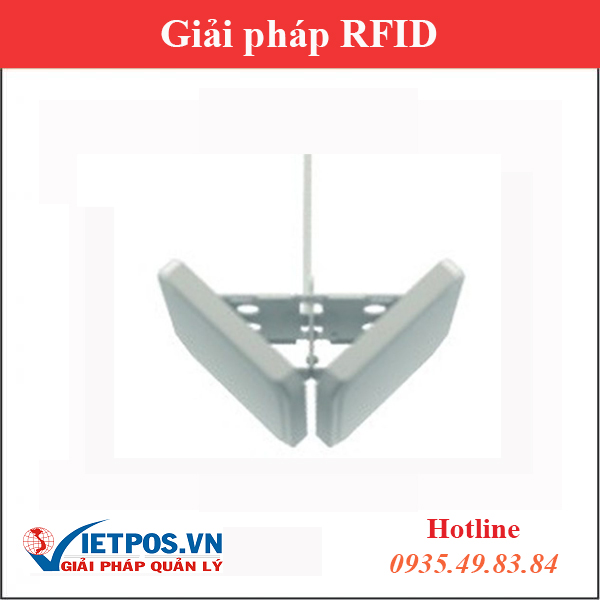
Zebra SR5502 RFID Antenna for Backroom and Warehouse
SKU: SR5502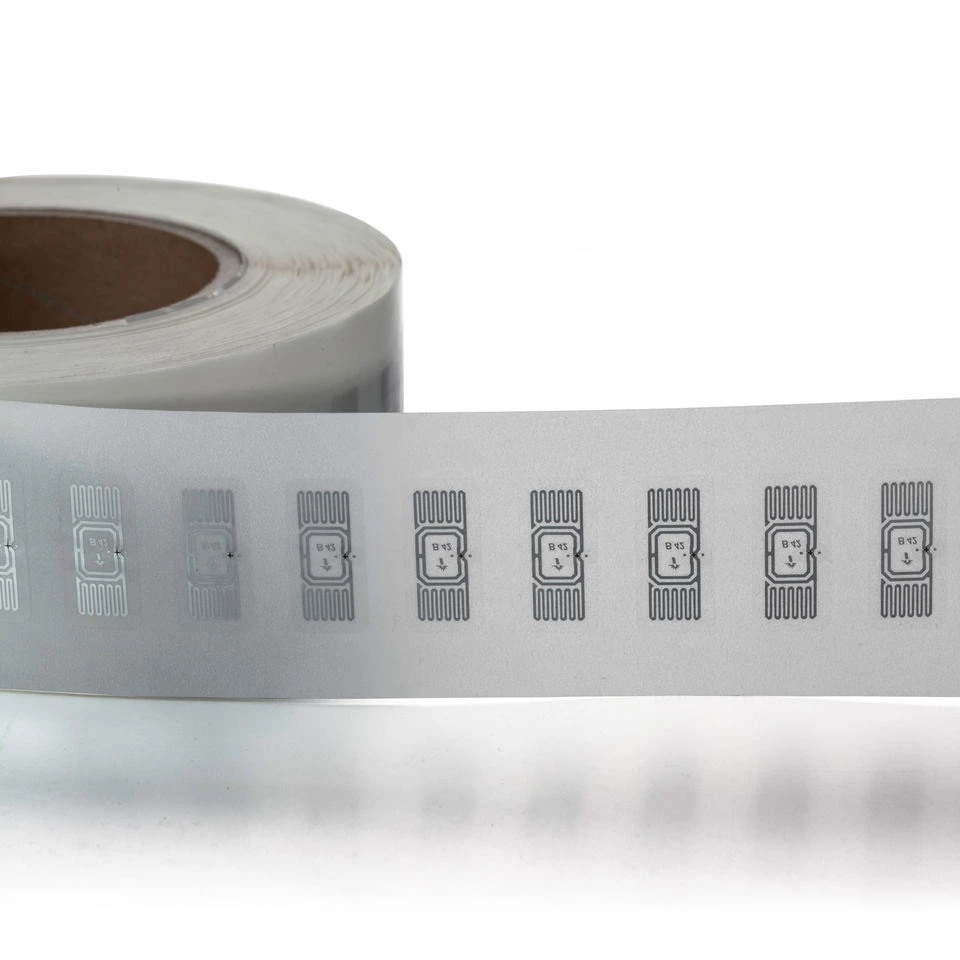
RFID Inlay HF/UHF Dry & Wet Inlay Programmable for Inventory Management
| Criteria | Manual / Barcode | RFID Solution |
|---|---|---|
| Inventory speed | Slow (one by one) | Very fast (batch) |
| Line-of-Sight | Must see the code | Not required |
| Label durability | Low (easily torn, faded) | High (water, heat, chemical resistant) |
| Error rate | High (due to manual handling) | Low (automated recording) |
| Initial investment cost | Low | Medium to High |
| Operating conditions | Limited in dirty environments | Good in various environments |
Frequency regulations and RFID compliance in Vietnam
In Vietnam, UHF RFID devices must strictly comply with frequency regulations to avoid interference with other wireless communication systems. Using devices with incorrect frequencies or exceeding permitted power not only violates the law but also causes read errors or instability within the factory.
According to Circular 08/2021/TT-BTTTT of the Ministry of Information and Communications, the frequency band allocated for UHF RFID devices in Vietnam is specified in the range of 918.4 – 923 MHz with a maximum transmission power not exceeding 500 mW ERP. Businesses implementing RFID must require suppliers to provide full compliance documentation and verify that equipment is compatible with this frequency band. Thoroughly understanding RFID frequency and compliance in Vietnam is a mandatory step to ensure stable and sustainable system operation.
RFID applications in calibration reminders for measuring instruments
Measuring instruments require periodic calibration to ensure product quality. RFID allows attaching an 'electronic ID card' to each measuring instrument. The software system automatically cross-references data from RFID tags to issue alerts when instruments approach their calibration due date, preventing the use of inaccurate equipment in production.
Automated alert process
Each time a measuring instrument is taken from storage or passes through control portals (RFID Portal), the system checks its calibration status. If the device is overdue, the system can trigger visual or audible alerts and simultaneously send email notifications to quality managers. This completely eliminates missed calibration schedules that commonly occur with manual tracking using notebooks or spreadsheets.
Maintenance history storage
RFID tags not only contain identification codes but can also link to databases storing complete repair histories and previous calibration results. When traceability is required during ISO audits or customer quality inspections, data can be exported instantly with absolute reliability.
Physical limitations to consider when deploying RFID
Despite being an advanced technology, RFID has certain physical limitations that businesses must understand to design appropriate processes. RFID is not a technology that can read through all materials with absolute accuracy in every condition, especially in heavy industrial environments.
- Interaction with metal and liquids: UHF radio waves are strongly reflected by metal and absorbed by liquids. For steel molds and jigs, specialized On-metal RFID tags with isolation padding are mandatory.
- Overlapping of goods: When tools are stacked too densely or placed in sealed metal containers, RFID waves may not penetrate to read tags located deep inside.
- Read rate: In real-world conditions, RFID cannot guarantee 100% read success in a single scan without supporting operational procedures. VietPOS always recommends that staff perform a final confirmation step or scan from multiple angles to ensure complete data capture.
Investment costs and survey recommendations
The cost of implementing an RFID tool management system has no fixed price; it depends on factors such as the number of assets, tag types (standard or On-metal), the number of read points, and the complexity of integrated software. Businesses should view this as a long-term investment in management infrastructure.
Qualitatively, costs can be divided into groups: RFID tags (variable cost based on quantity), reading devices (handheld or fixed), and software infrastructure. To obtain an accurate budget report, VietPOS recommends businesses conduct a site survey. The survey helps identify radio blind spots, select appropriate tag types for material surfaces, and determine optimal antenna placement, thereby avoiding wasted budget on equipment unsuitable for specific factory conditions.
Conclusion
RFID is a powerful solution for modernizing the management of tools, molds, jigs, and measuring instruments. However, to achieve maximum system effectiveness, businesses must understand both the advantages and limitations of the technology while complying with frequency regulations in Vietnam. Close collaboration with a reputable equipment infrastructure provider for surveying and real-world testing is the key to successful deployment, optimizing maintenance processes, and enhancing production capacity.
Cần tư vấn thiết bị/giải pháp cụ thể?
Việt POS phản hồi trong 30 phút · Hotline 4 vùng · Khảo sát miễn phí.
