Mục lục bài viết (4)
In the textile asset management ecosystem in Vietnam, controlling large quantities of linen—from hotel towels and staff uniforms to medical textiles—has always been an operational challenge. Radio Frequency Identification (RFID) technology has emerged as an alternative to traditional methods. However, for successful deployment, managers need to understand the fundamental differences between RFID and barcodes, as well as the physical limitations of this technology in harsh laundry environments.
Why does the laundry industry need to shift from barcode to RFID?
This shift stems from the need for batch processing and automation. While barcodes require scanning each item in a line-of-sight manner, RFID allows reading hundreds of tags simultaneously without opening dirty laundry bags, optimizing receiving time and minimizing human errors in industrial environments.
Managing laundry & uniforms manually or with barcodes often faces difficulties when dealing with large volumes of goods. With barcodes, staff must locate the label and position the scanner within its view, which is extremely time-consuming when processing thousands of uniforms daily. UHF (Ultra High Frequency) RFID solves this problem by using radio waves to communicate with chips attached to textiles.
Practical Comparison: Manual, Barcode, and RFID
Below is a comparison table of basic operational criteria based on practical implementation experience in laundry facilities and hospitals:
| Criteria | Manual (Record-keeping) | Barcode | RFID Technology |
|---|---|---|---|
| Counting speed | Very slow, error-prone | Average, scan one by one | Very fast, batch scanning |
| Label durability | Not applicable | Prone to peeling, fading ink | Withstands pressure, chemicals |
| Automation capability | None | Low | Very high |
| Accuracy | Depends on human | Fairly high (if fully scanned) | High (with conditions) |
| Investment cost | Lowest | Average | Highest |
Although RFID excels in speed, it is important to note that the cost of a laundry RFID tag (typically PPS or heat-resistant silicone tags) is significantly higher than a standard barcode label. Therefore, technology selection should be based on the economic analysis of scale and linen turnover frequency.
What are the frequency and equipment regulations for RFID in Vietnam?
In Vietnam, UHF RFID devices must comply with the frequency range from 918.4 MHz to 923 MHz with a transmission power not exceeding 500 mW ERP. Equipment usage must have conformity records as per Circular 08/2021/TT-BTTTT of the Ministry of Information and Communications to avoid signal interference.
Bạn đang tìm sản phẩm cho chủ đề này?
Việt POS phân phối chính hãng — bảo hành 24-36 tháng, hỗ trợ kỹ thuật 24/7.
Chainway CM710-8 UHF RFID Module (8-Port) — Impinj E710, 93.0 x 79.8 x 8.9mm
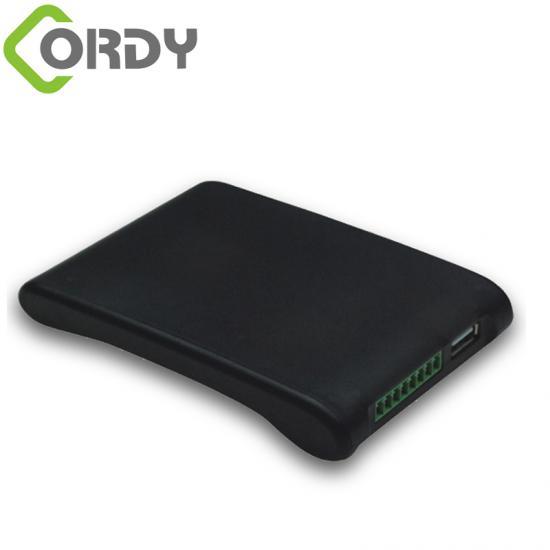
DH9809USB-L - UHF RFID Desktop Reader/Writer 920-925MHz, USB, ISO18000-6C/6B, SDK
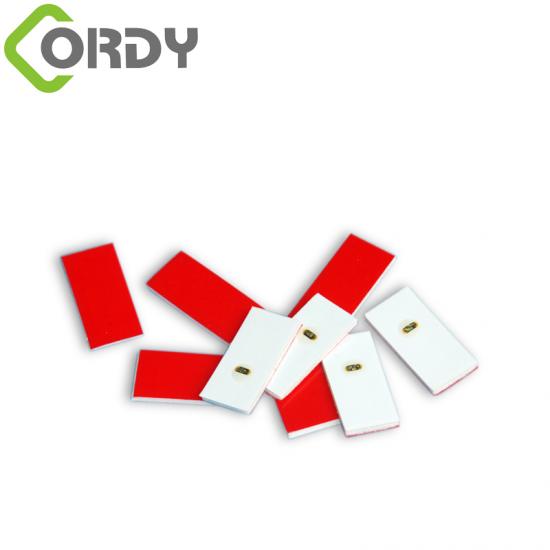
UHF Windshield Tag for RFID Vehicle Management Systems
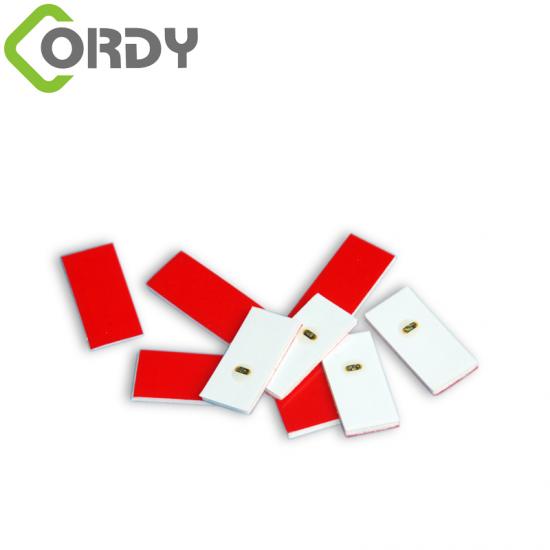
RFID A4 Inlay Sheet / Mifare A3 Inlay Sheet for Card Production
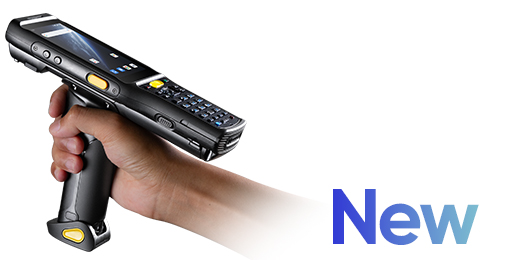
When selecting infrastructure for a laundry system, businesses must pay special attention to RFID frequency and compliance in Vietnam. Imported devices not configured for the domestic frequency band can cause poor read rates or violate radio safety regulations. A standard system includes fixed readers at warehouse doors, handheld readers for inventory staff, and RFID gates to control linen entering and exiting the laundry facility.
Characteristics of specialized laundry RFID tags
Unlike RFID tags applied to cartons, tags for textiles must withstand harsh conditions:
- Heat resistance: Withstand drying temperatures up to 180°C or higher for short periods.
- Pressure resistance: Withstand compression forces in industrial extractors (up to 60 bar).
- Chemical resistance: Not corroded by strong detergents, chlorine, and dry-cleaning solvents.
- Mechanical durability: Can survive approximately 200 wash cycles (depending on process and tag quality).
What are the practical challenges and limitations of RFID?
RFID is not a 100% perfect technology in all scenarios. Radio waves are obstructed by liquids and metals, and excessive tag stacking can lead to data loss. Therefore, operational processes must always include staff confirmation steps and optimized antenna design.
In laundry environments, damp textiles are a major barrier to UHF waves. If wet towels are tightly rolled and stacked too densely, read rates may not reach expected maximums. Additionally, the presence of metal carts or steel structures around the scanning area can cause wave reflections, leading to misreads of tags in nearby areas (through-wall reading phenomenon).
To overcome these issues, businesses must conduct thorough site surveys and adjust reader power accordingly. We always recommend customers use RFID tunnels with shielding layers to ensure accuracy when scanning large bags of dirty linen.
What does the investment cost for an RFID laundry system include?
Investment costs typically include four main components: RFID tags (consumables), hardware equipment (readers, antennas), management software, and implementation/training costs. The total investment depends on the quantity of linen and the level of process automation.
Qualitatively, costs can be categorized as follows:
- Variable costs: RFID tags attached to each item. This is the largest expense if the linen count reaches tens of thousands of units.
- Fixed costs: Readers at control stations, RFID gates, and handheld devices.
- Infrastructure costs: Servers, LAN, and software integration into existing management systems (ERP/HIS/PMS).
Due to the unique processes of each laundry facility, providing an exact figure is not feasible without a site survey. Businesses should start with a pilot on a specific group of linens before full-scale deployment.
Recommended implementation roadmap
1. Site survey: Assess the electromagnetic environment and types of textiles to be managed.
2. Tag selection: Test tag durability through actual wash cycles at the facility.
3. Equipment installation: Set up checkpoints at soiled storage, clean storage, and delivery vehicles.
4. Staff training: Instruct employees on using handheld devices and handling faulty tag scenarios.
5. Operation and fine-tuning: Adjust hardware configurations to achieve optimal read rates in real-world conditions.
In summary, RFID brings a leap in linen management performance but requires systematic investment and a clear understanding of technical limitations. Compliance with frequency regulations in Vietnam and selecting equipment with conformity records are prerequisites for stable and durable system operation.
Cần tư vấn thiết bị/giải pháp cụ thể?
Việt POS phản hồi trong 30 phút · Hotline 4 vùng · Khảo sát miễn phí.
