Mục lục bài viết (5)
- What is a Digital Product Passport (DPP) and why should export businesses care?
- Practical comparison: Manual, Barcode, and RFID in DPP management
- Physical limitations and practical challenges of RFID technology
- Frequency standards and RFID compliance in Vietnam that businesses need to know?
- Investment cost analysis: When should businesses transition?
What is a Digital Product Passport (DPP) and why should export businesses care?
A Digital Product Passport (DPP) is a set of electronic data accompanying a product, providing detailed information about its origin, manufacturing process, and recyclability. It is part of the EU's Ecodesign for Sustainable Products Regulation (ESPR), requiring businesses to increase supply chain transparency.
As the European Union (EU) tightens environmental and sustainability regulations, key Vietnamese industries such as textiles, footwear, and wood products face an urgent need to digitize product information. EU digital product passport (DPP) is not only a legal requirement but also a tool to affirm brand credibility in the international market. To implement DPP, choosing the data carrier technology is crucial, with RFID emerging as a potential solution alongside traditional barcodes.
DPP implementation roadmap in the EU market
According to current drafts, the DPP adoption roadmap will be phased, expected to begin from the middle to the end of this decade, depending on the specific industry group. High environmental impact product groups such as textiles and footwear are often at the top of the priority list. Businesses should note that these timelines may change based on enforcement decisions by the European Commission, so early preparation of technology infrastructure is a strategic move to maintain competitive advantage.
Practical comparison: Manual, Barcode, and RFID in DPP management
Compared to manual methods or barcodes, RFID allows batch reading of data without direct contact, significantly speeding up inventory processes. However, RFID requires higher initial investment costs and is sensitive to environmental factors such as metal or liquids.
Bạn đang tìm sản phẩm cho chủ đề này?
Việt POS phân phối chính hãng — bảo hành 24-36 tháng, hỗ trợ kỹ thuật 24/7.

Chainway CM710-8 UHF RFID Module (8-Port) — Impinj E710, 93.0 x 79.8 x 8.9mm
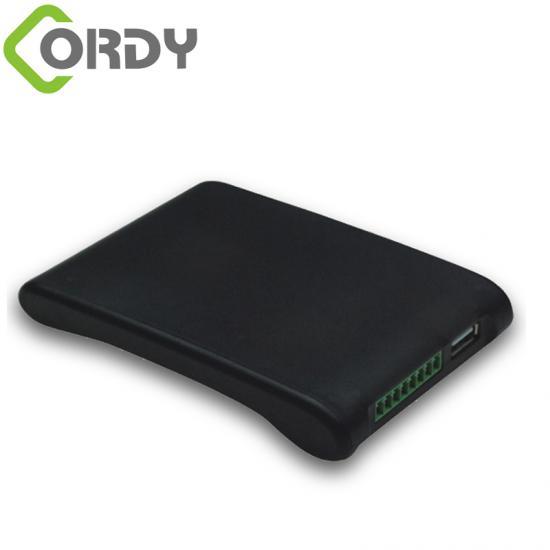
DH9809USB-L - UHF RFID Desktop Reader/Writer 920-925MHz, USB, ISO18000-6C/6B, SDK
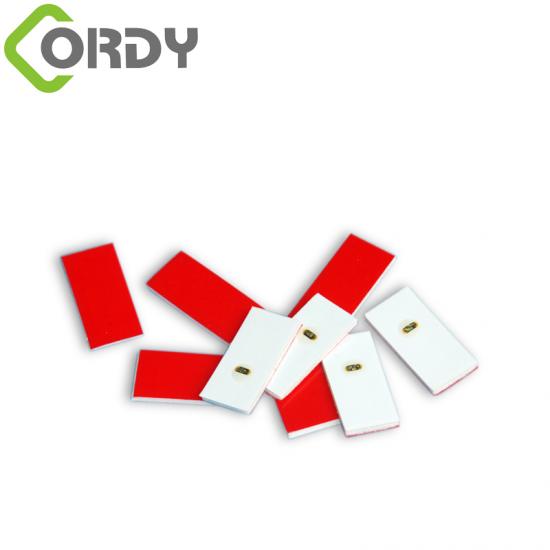
UHF Windshield Tag for RFID Vehicle Management Systems
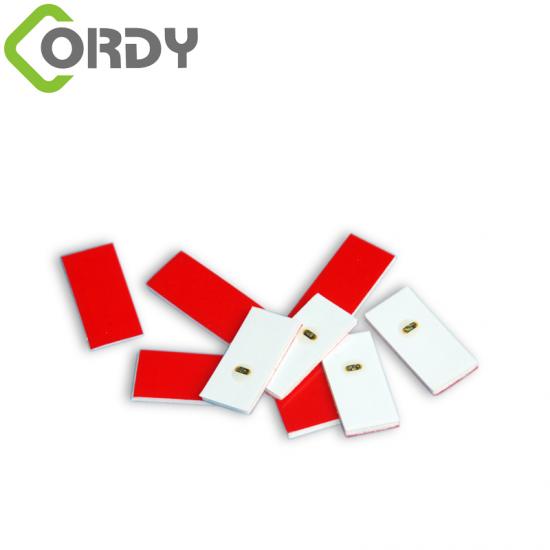
RFID A4 Inlay Sheet / Mifare A3 Inlay Sheet for Card Production
To provide businesses with an objective view, below is a comparison table based on operational criteria in export manufacturing plants:
| Criteria | Manual / Recording | Barcode (Barcode/QR) | RFID Technology (UHF) |
|---|---|---|---|
| Data collection speed | Very slow, dependent on human | Medium, scanning each product | Very fast, bulk reading |
| Data accuracy | Low, prone to errors due to manual entry | Fairly high, but easy to miss products | High, reduces human errors |
| Automation capability | Not possible | Limited, requires handheld scanner | High, can be integrated into conveyor belts |
| Durability of data carrier | Easily torn, faded | Easily scratched, unreadable | Durable, can be read through carton packaging |
| Information storage capacity | Very limited | Medium (with QR code) | High, can write/read multiple times on chip |
| Initial implementation cost | Lowest | Low to Medium | Medium to High |
Superior advantages of RFID in the DPP context
With DPP, the amount of data to be retrieved is not limited to product codes but also includes material certificates, production history, and disassembly instructions. Traditional barcodes require staff to find and scan each label directly. In contrast, RFID can capture all information of a pallet containing hundreds of products in just a few seconds. This is especially important at EU border crossings or distribution warehouses, where clearance speed and compliance checks are critical.
Physical limitations and practical challenges of RFID technology
RFID is not a one-size-fits-all solution. Its performance is directly affected by the surrounding environment, especially the presence of metal and liquids, as well as overly dense product arrangement which can cause signal shadowing.
Businesses need to understand these limitations to design appropriate operational processes:
- Metal and liquid issues: UHF RFID waves are reflected by metal and absorbed by liquids. In the textile industry, products with many metal accessories (zippers, copper buttons) or in the wood industry with high moisture content, read rates can degrade. Specialized tags (On-metal tags) or adjusting label placement are necessary.
- Shadowing phenomenon: When goods are stacked too densely, tags deep inside may not receive enough energy from the reader to respond, leading to missed data.
- Human verification requirement: Despite high performance, VietPOS always recommends businesses maintain control points with staff verification to handle defective tags or signal interference, and not rely absolutely on 100% automatic reading in all conditions.
Frequency standards and RFID compliance in Vietnam that businesses need to know?
In Vietnam, UHF RFID devices must operate in the frequency range of 918.4 – 923 MHz, with transmission power not exceeding 500 mW ERP, and must have a conformity certificate according to Circular 08/2021/TT-BTTTT of the Ministry of Information and Communications.
Compliance with RFID frequency and compliance in Vietnam is mandatory. If businesses use imported devices not in the specified frequency range (e.g., US or European frequencies), they may cause interference to national telecommunications networks and face legal risks. Additionally, using standardized equipment ensures compatibility when products are transported and read at international logistics infrastructures.
Investment cost analysis: When should businesses transition?
The cost of implementing RFID includes tags, readers, and software infrastructure. This investment is typically medium to high depending on the scale and complexity of the production environment, so it requires careful survey before deciding.
Instead of looking at absolute values, businesses should consider the following qualitative factors:
- Shipment volume: With large EU export orders, the cost per unit for RFID tags decreases, while management efficiency increases significantly.
- Partner requirements: If EU buyers require real-time and high-accuracy DPP data, RFID is almost the only option to meet these demands.
- Integration capability: Costs also depend on whether the business already has an ERP/WMS system. RFID serves as the data collection infrastructure feeding these systems.
VietPOS recommends businesses start with pilot projects on a specific product line or production line to evaluate real-world effectiveness before large-scale deployment. On-site surveys are mandatory to determine the most suitable antenna type, read power, and tag type for the specific characteristics of the unit's products.
Conclusion
The adoption of the Digital Product Passport (DPP) is an irreversible trend for exports to the EU. Although barcodes still have a place due to low cost, RFID offers superior automation and data management capabilities, helping businesses overcome stringent technical barriers. However, the success of an RFID project depends on understanding physical limitations and strictly complying with frequency regulations in Vietnam.
Cần tư vấn thiết bị/giải pháp cụ thể?
Việt POS phản hồi trong 30 phút · Hotline 4 vùng · Khảo sát miễn phí.
