Mục lục bài viết (7)
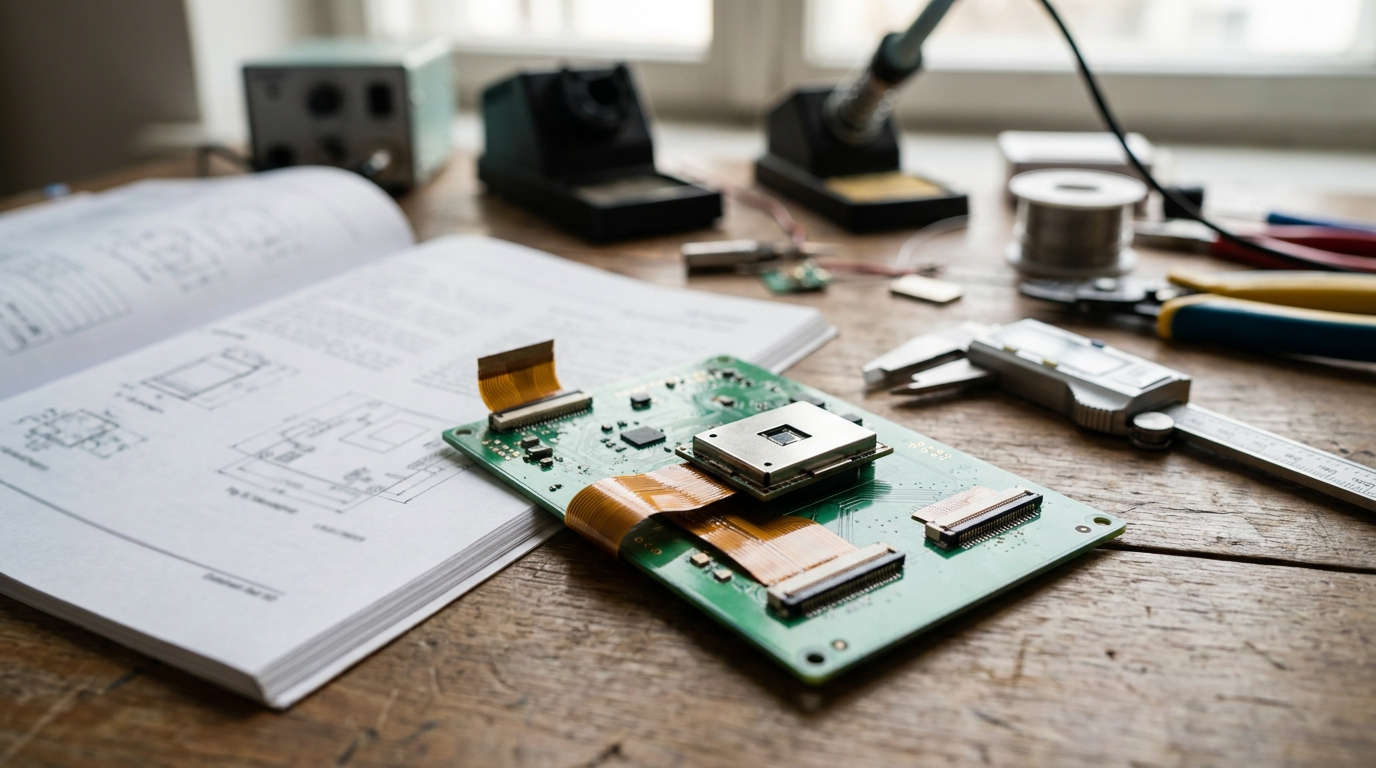
The Zebra PL5000A and PL5000C hardware decoders are two OEM 1D/2D scan engines using Array Imager technology, designed for embedded industrial devices. Both support 3.3V ± 10% or 5V ± 10% voltage and a micro USB B port, but the core difference lies in the host pin standard — the deciding factor for integration into your mainboard. This article compares the Zebra PL5000A and PL5000C across 5 technical criteria, with selection guidance by use case, so you can lock in the right model before ordering.
The Zebra PL5000A and PL5000C differ mainly in the host pin standard: the PL5000A uses a 31-pin ZIF connector with 0.3mm pitch (Parallel, MIPI versions), while the PL5000C uses a 30-pin ZIF with 0.5mm pitch (PL5000B, PL5000B-USB versions). Both scan 1D/2D with an Array Imager, run at 3.3V or 5V, have micro USB B, and feature industrial design. Choose the PL5000A when you need high pin density for small devices; choose the PL5000C when you need easier soldering and compatibility with common mainboards.
Table of Contents
- What is the Zebra PL5000A and who is it for?
- What is the Zebra PL5000C and who is it for?
- Detailed comparison of Zebra PL5000A and PL5000C
- Choosing Zebra PL5000A or PL5000C by use case
- Pros and cons of each model
- Notes on ordering and integration in Vietnam
- Frequently asked questions
What is the Zebra PL5000A and who is it for?
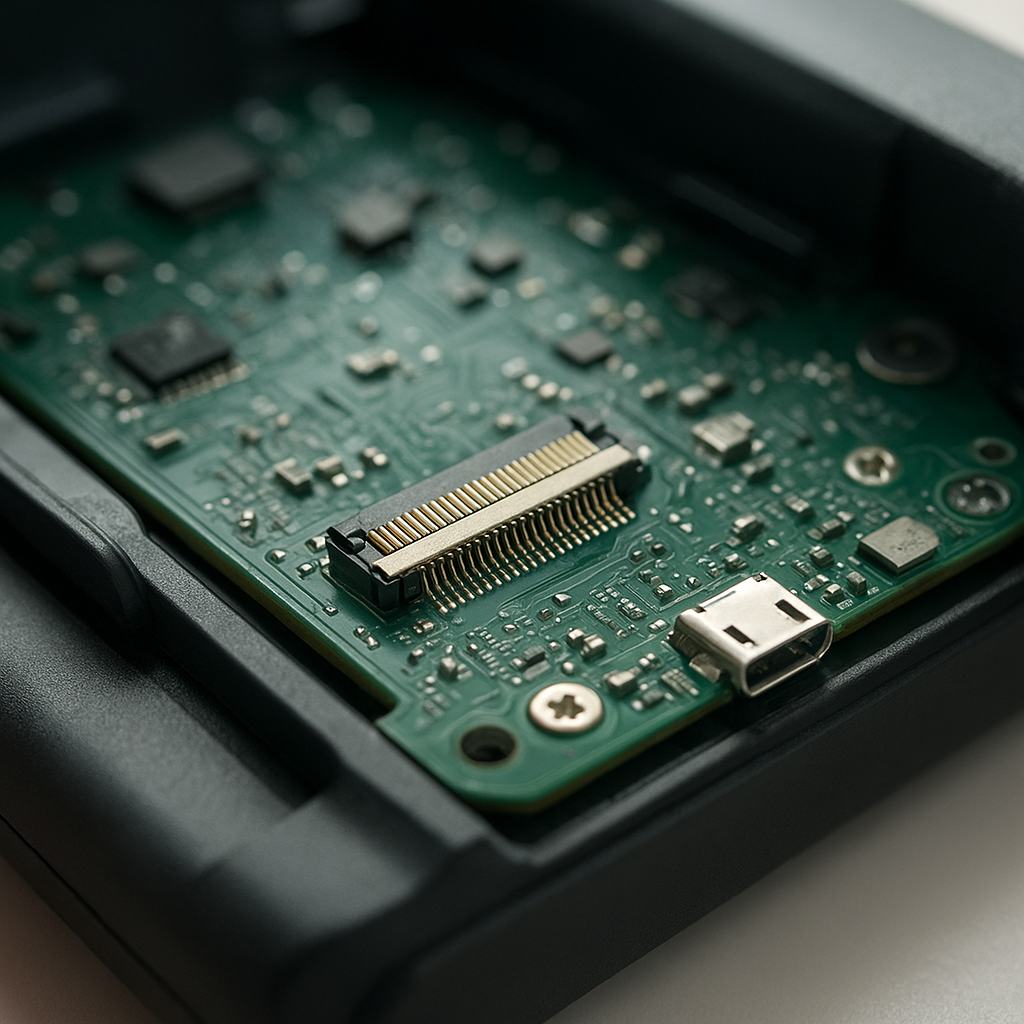
The Zebra PL5000A is an OEM hardware decoder that scans 1D/2D with an Array Imager, using a 31-pin ZIF host connector with 0.3mm pitch (PL5000A-Parallel version) or micro USB B (PL5000A-MIPI version). The dense 0.3mm pin pitch allows packing many signals into a small area — suitable for compact handheld devices, self-service kiosks, or integrated POS machines where PCB space is limited.
The PL5000A's strength lies in its ability to optimize form factor. With 0.3mm pitch, engineers can route signal traces closer together, reduce module size, and still retain enough pins for parallel interfaces. In return, soldering a 0.3mm connector requires high-precision SMT equipment and stricter AOI/X-ray inspection than the 0.5mm standard.
If you are designing a handheld barcode reader for a retail chain or inventory-checking device, see also Zebra DS9308 Barcode Scanner for Supermarkets and Retail to compare integrated solutions against complete devices.
What is the Zebra PL5000C and who is it for?
Related Products
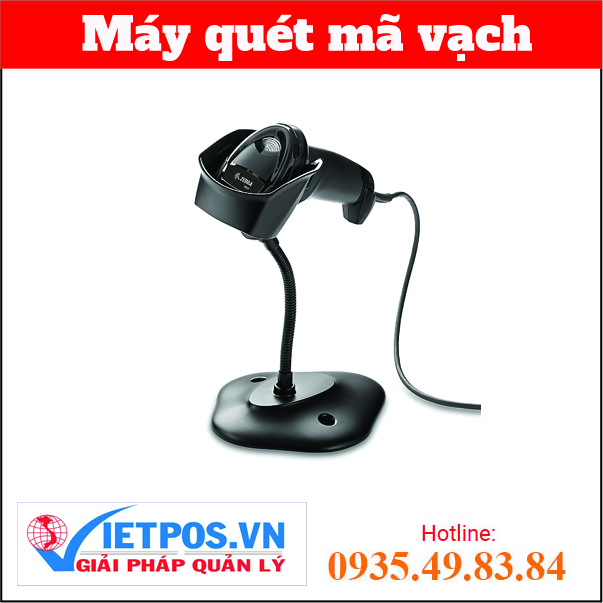
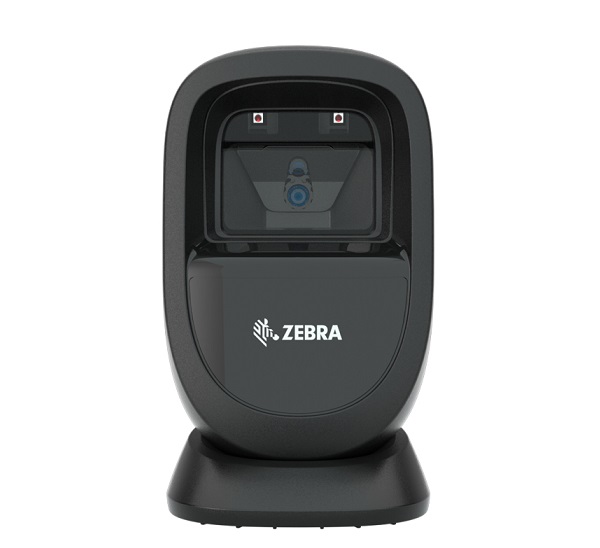

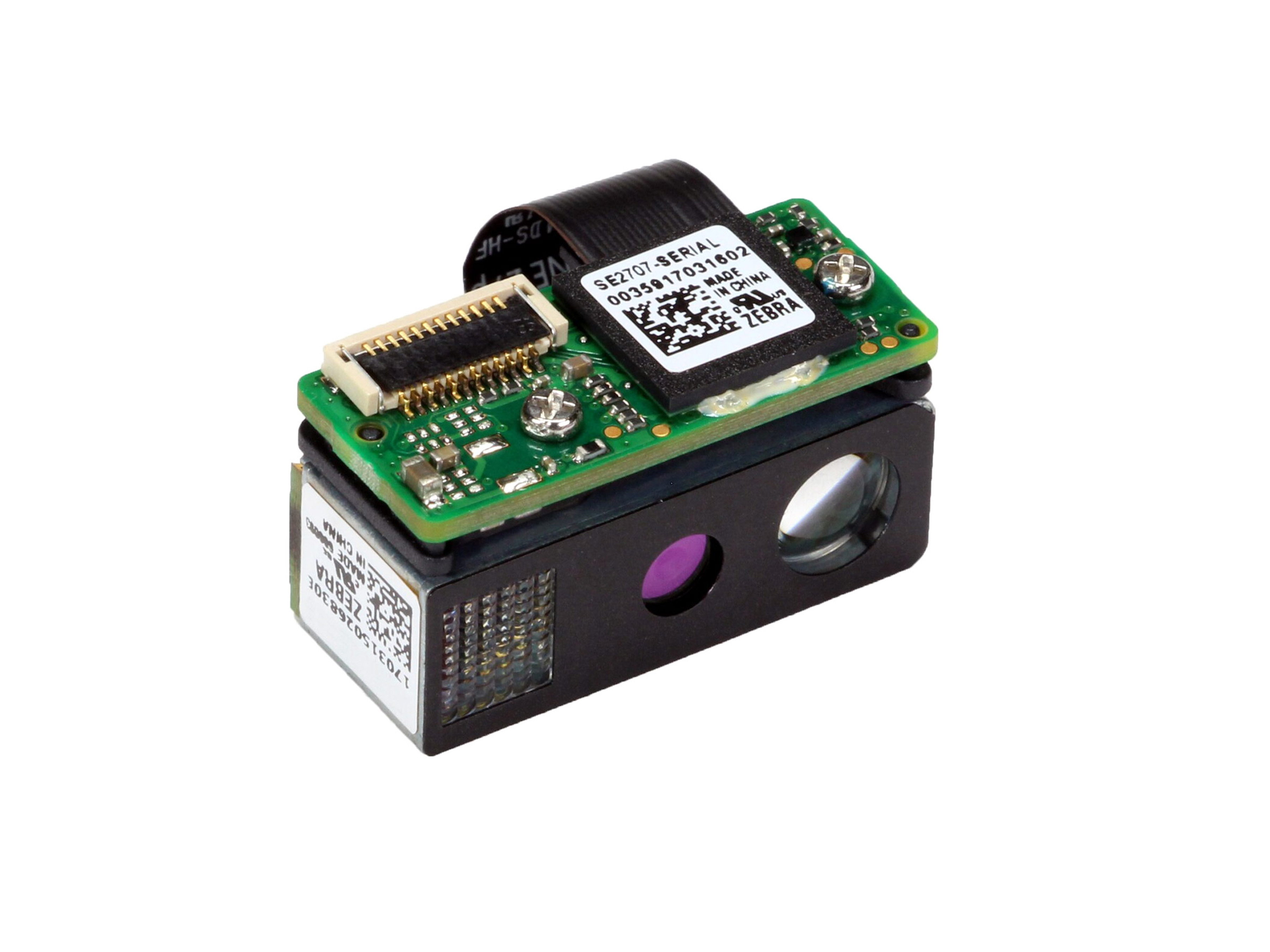
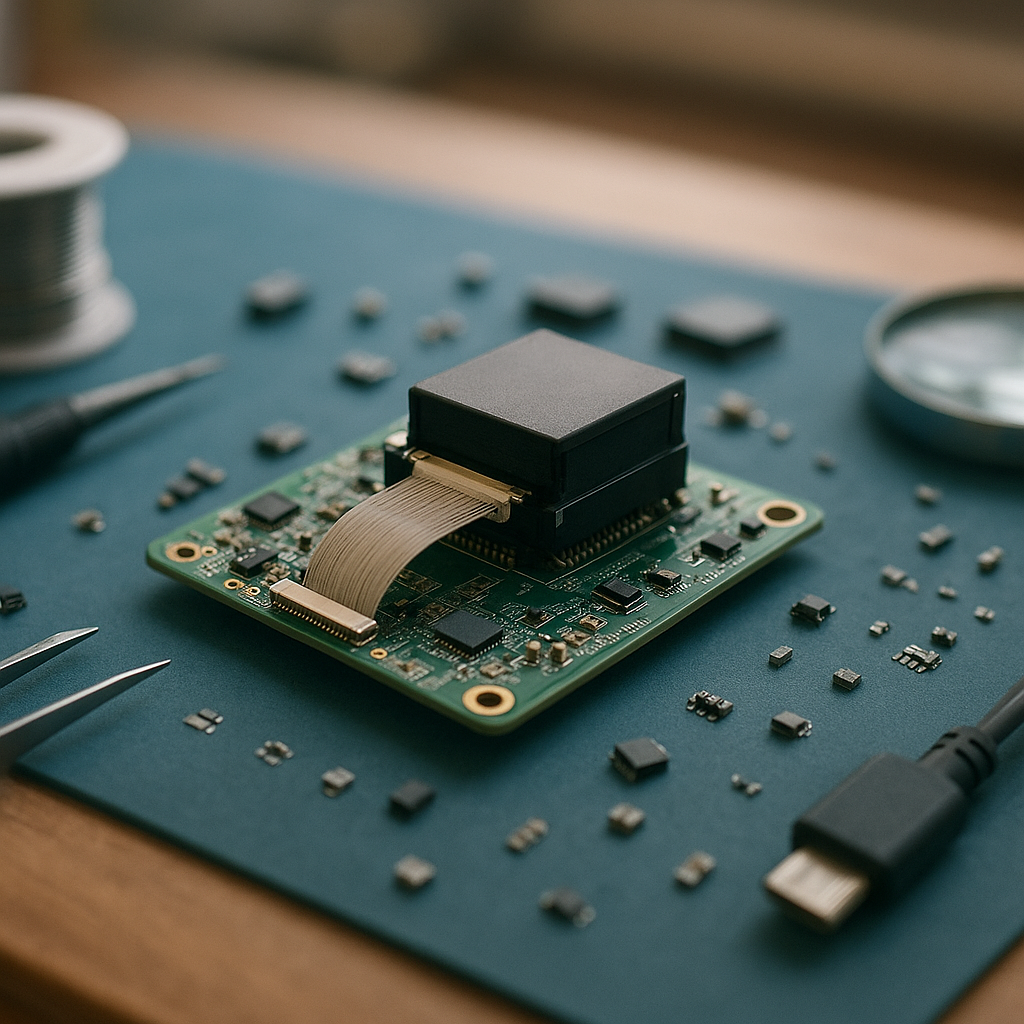
The Zebra PL5000C is an OEM hardware decoder from the same line, scanning 1D/2D with an Array Imager, using a 30-pin ZIF host connector with 0.5mm pitch (PL5000B version) or micro USB B (PL5000B-USB version). The 0.5mm pitch is easier to solder and compatible with many common mainboards — suitable for medium-sized devices, fixed readers, integrated POS machines, or medical devices.
The PL5000C targets R&D teams that prioritize deployment speed and production stability over area optimization. The 0.5mm standard is common in Vietnam's electronics industry, helping reduce soldering defect risk when running small and medium orders at domestic EMS factories.
For businesses deploying scanning systems at distribution warehouse scale, the PL5000C can be combined in internal devices with the Zebra ZT411 300dpi Barcode Printer: Key Features for Warehouses to synchronize the print–scan workflow.
Detailed comparison of Zebra PL5000A and PL5000C
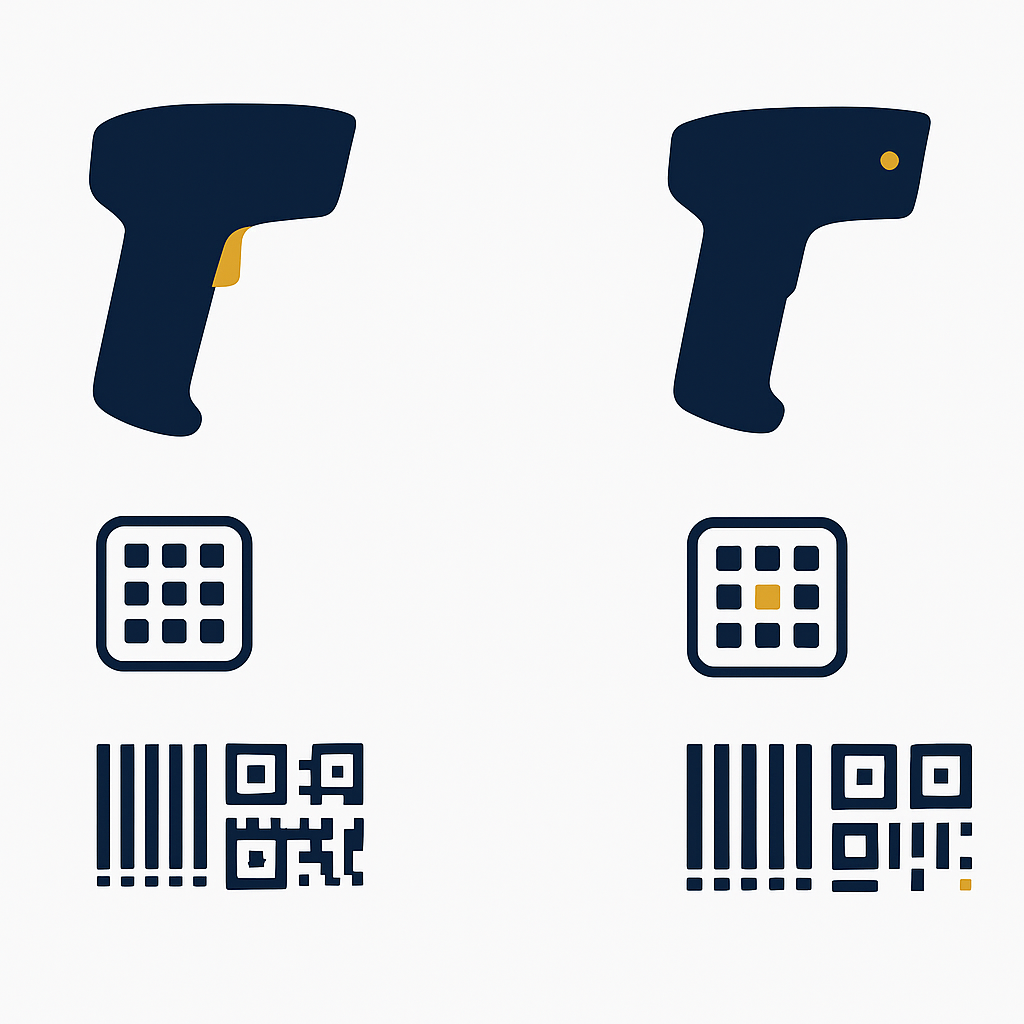
Both models share the same 1D/2D Array Imager scanning platform, the same 3.3V/5V voltage range, and the same industrial environment. The deciding difference lies in the host pin standard: PL5000A 31-pin 0.3mm pitch, PL5000C 30-pin 0.5mm pitch. The table below compares the 5 most important technical criteria when choosing a model.
| Criterion | Zebra PL5000A | Zebra PL5000C | Notes |
|---|---|---|---|
| Scan type | 1D, 2D | 1D, 2D | Equal |
| Technology | Array Imager | Array Imager | Equal |
| Host connector | 31-pin ZIF, 0.3mm pitch (Parallel/MIPI) | 30-pin ZIF, 0.5mm pitch (PL5000B/PL5000B-USB) | PL5000A has higher density |
| Voltage | 3.3V ± 10% or 5V ± 10% | 3.3V ± 10% or 5V ± 10% | Equal |
| Auxiliary port | Micro USB B | Micro USB B | Equal |
| Environment | Industrial | Industrial | Equal |
| Best suited for | Small devices, tight PCB | Medium devices, common mainboards | Choose by form factor |
Note: the PL5000A product documentation mentions the PL5000C model, and the PL5000C documentation mentions the PL5000B — these are variants within the same scan engine family, not direct replacement models. When ordering, specify the variant code (Parallel, MIPI, PL5000B, PL5000B-USB) to avoid connector mix-ups.
Choosing Zebra PL5000A or PL5000C by use case
No model is absolutely "better" — choose based on device form factor, factory SMT capability, and mainboard compatibility requirements. Below are 5 typical use cases for Vietnamese businesses.
1. Compact handheld devices (under 15cm): choose PL5000A — 0.3mm pitch saves PCB area and packs more parallel signals for compact inventory-checking devices.
2. Self-service kiosks, integrated POS: choose PL5000C — the 0.5mm connector is easier to solder, compatible with common mainboards, and shortens R&D time.
3. Fixed conveyor-mounted readers: choose PL5000C — same 1D/2D scanning platform, prioritizing production stability over area.
4. Medical devices / clinics: choose PL5000C — the common pin standard makes component certification easier; see also iData 55HC: Smart Android 11 Medical Device Solution for Hospitals and Clinics.
5. Wearable barcode scanning devices: choose PL5000A — high pin density allows a thin module layout; see also iData RS200 Wearable Barcode Scanner: A Solution to Boost Warehouse Productivity.
Pros and cons of each model
The PL5000A excels in form factor but demands high SMT capability. The PL5000C excels in deployment speed and production stability but is less flexible in area. Consider your factory capability and time to market.
Zebra PL5000A
- Pros: 0.3mm pitch enables a small module, suitable for compact devices; supports both Parallel and MIPI; shares the 1D/2D Array Imager scanning platform.
- Cons: soldering a 31-pin 0.3mm ZIF is difficult, requiring AOI/X-ray; few EMS factories in Vietnam accept small orders; limited compatibility with existing mainboards.
Zebra PL5000C
- Pros: 0.5mm pitch is easier to solder, accepted by many domestic EMS partners; compatible with common mainboards; shortens R&D time; shares the 3.3V/5V voltage range with the PL5000A.
- Cons: occupies more PCB area; harder to optimize for ultra-thin devices; not suitable if the design is already fixed to the 31-pin standard.
Notes on ordering and integration in Vietnam
Both models are embedded OEM components, not sold retail like complete scanners. Businesses need to prepare the PCB footprint, firmware driver, and calibration process before ordering. Ordering the wrong connector variant will cost 4-8 weeks of tooling rework.
- Confirm the variant clearly: PL5000A-Parallel, PL5000A-MIPI, PL5000B, PL5000B-USB.
- Cross-check the footprint in the datasheet against your existing PCB library before ordering.
- Prepare a test fixture for AOI/X-ray if you choose 0.3mm pitch.
- Verify driver/firmware compatibility with the MCU/SoC on the target device.
- See also other OEM scan engines such as the Zebra SE55 OEM Array Imaging Scan Engine if you need a backup option.
Frequently asked questions
Can the Zebra PL5000A and PL5000C scan the same types of barcodes?
Yes. Both use Array Imager technology and support 1D and 2D scanning. The difference is not in barcode reading capability but in the host pin standard and connector pitch.
If the mainboard is already designed for 0.5mm pitch, can I use the PL5000A?
Not directly. The PL5000A uses a 31-pin connector with 0.3mm pitch, which does not match a 0.5mm footprint. You need to redesign the PCB or choose the PL5000C (30-pin, 0.5mm) for compatibility.
Do both models use a shared 5V power supply?
Yes. Both the PL5000A and PL5000C accept an input voltage of 3.3V ± 10% or 5V ± 10%, which is convenient when designing a shared power circuit for multiple device variants.
Do the two models differ in industrial environment rating?
No. Both are classified by Zebra as Industrial — suitable for factories, cold storage, and distribution warehouses. The only differences are in connector mechanics and the variant ecosystem.
Where should I contact for advice on choosing a model?
Contact Việt POS via hotline 0935 498 384 or email info@vietpos.vn. The technical team will cross-check the footprint, your factory's SMT capability, and recommend the most suitable model.
Need to lock in the right scan engine model before opening tooling? Call Việt POS via hotline 0935 498 384 or email info@vietpos.vn — the technical team will cross-check the datasheet, PCB footprint, and your factory capability to recommend the most suitable Zebra PL5000A or PL5000C.
Cần tư vấn thiết bị/giải pháp cụ thể?
Việt POS phản hồi trong 30 phút · Hotline 4 vùng · Khảo sát miễn phí.
Bài viết cùng chủ đề