Mục lục bài viết (5)
RFID (Radio Frequency Identification) technology is becoming essential infrastructure for managing linens in hotel, hospital, and industrial laundry systems. With the ability to identify items remotely without direct contact, RFID solves the problem of large-scale inventory counting, tracks product lifecycle, and reduces human error. However, deploying RFID in Vietnam requires a deep understanding of both the physical characteristics of the equipment and the legal regulations on radio frequencies to ensure stable and lawful operation.
Why RFID is Becoming the Standard in the Industrial Laundry Industry?
RFID automates the identification of thousands of linen items in a short time without manual barcode scanning. This technology supports product lifecycle control, loss management, and optimization of the flow between the using unit and the laundry facility. It is the foundation for transitioning from manual management to accurate digital data management.
In a laundry environment, items such as towels, bed sheets, employee uniforms, or hospital surgical gowns frequently undergo harsh cycles: high temperatures, high spin pressure, and strong cleaning chemicals. Traditional barcodes are often not durable due to fading, tearing, or peeling. In contrast, specialized RFID laundry tags are designed to withstand hundreds of wash and dry cycles, allowing businesses to accurately track the number of washes per item, thereby making timely replacement decisions.
Implementing an RFID solution for laundry & uniforms goes beyond just counting. It also provides real-time data, helping managers know whether items are in the warehouse, in the washing machine, or in transit. This is especially important for hospitals, where the segregation of soiled and clean linens has strict infection control requirements.
Frequency Regulations and Equipment Compliance for RFID in Vietnam
According to Circular 08/2021/TT-BTTTT, UHF RFID equipment in Vietnam must operate in the 918.4–923 MHz band with a transmit power not exceeding 500 mW ERP. Using equipment configured to EU or US standards can cause radio interference and violate current laws. Businesses should note that regulatory updates may occur around August 2026.
Bạn đang tìm sản phẩm cho chủ đề này?
Việt POS phân phối chính hãng — bảo hành 24-36 tháng, hỗ trợ kỹ thuật 24/7.
Chainway CM710-8 UHF RFID Module (8-Port) — Impinj E710, 93.0 x 79.8 x 8.9mm
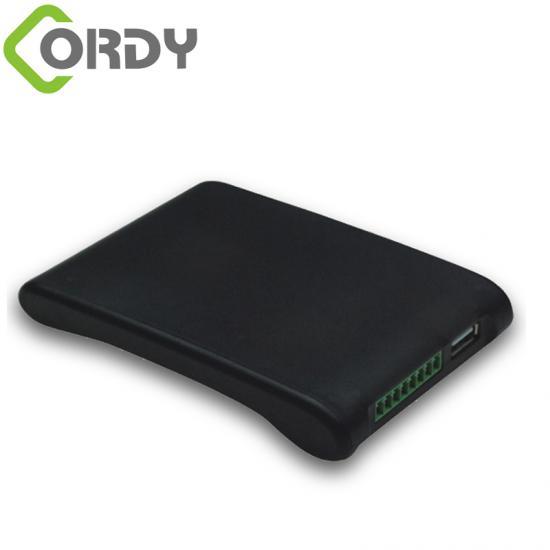
DH9809USB-L - UHF RFID Desktop Reader/Writer 920-925MHz, USB, ISO18000-6C/6B, SDK
UHF Windshield Tag for RFID Vehicle Management Systems
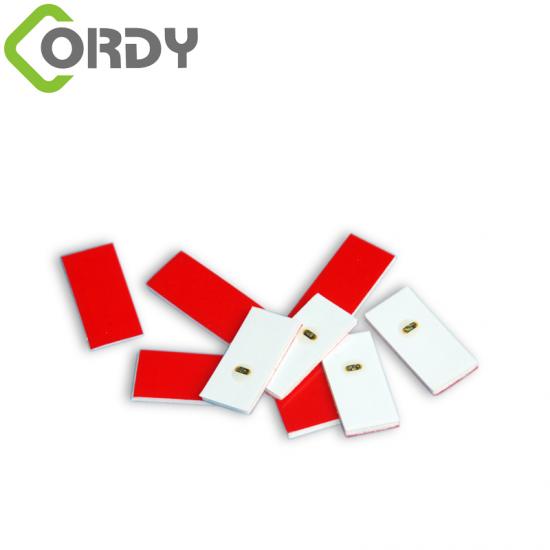
RFID A4 Inlay Sheet / Mifare A3 Inlay Sheet for Card Production
A common mistake made by businesses when self-importing RFID equipment is selecting readers configured for the US (902–928 MHz) or European (865–868 MHz) frequency bands. In Vietnam, the Radio Frequency Directorate strictly regulates the UHF band to avoid interference with mobile networks and other communication systems. Therefore, all UHF RFID equipment must have compliance documentation and be configured to the correct 918.4–923 MHz band before operation.
For a deeper understanding of these standards, businesses should refer to the guide on RFID frequency and compliance in Vietnam. Compliance not only helps avoid legal risks but also ensures optimal performance in the domestic radio environment. Note that these regulations are not fixed and may be adjusted according to the national frequency planning roadmap, with updates expected in late 2026.
Structure of an RFID System for Linens
A complete system typically includes three main components:
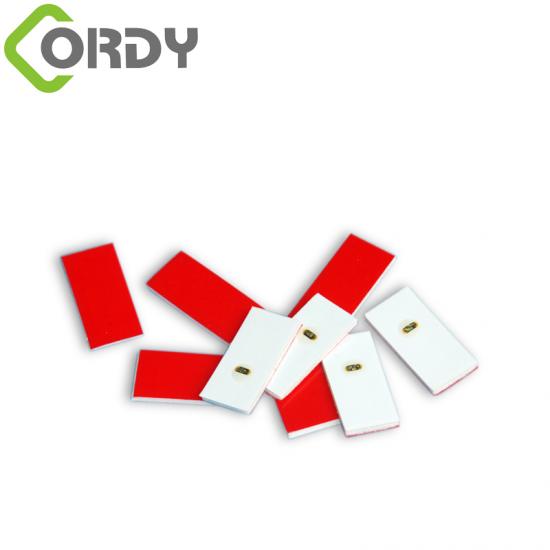
- RFID Laundry Tags: Made from heat-resistant polymer or fabric, encapsulating an RFID chip. These tags are sewn directly onto the edge of the linen or heat-pressed.
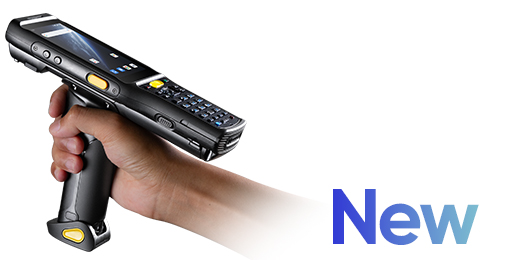
- Readers: Includes fixed readers at warehouse doors (RFID Gates), desktop readers for individual item checks, and handheld readers for mobile inventory.
- Antennas: Transmit and receive signals from tags. In the laundry industry, antennas are often installed at tunnel gates to read items in bulk as laundry carts pass through.
Challenges and Physical Limitations of RFID Technology
RFID cannot achieve absolute read performance when items are stacked too densely, contain high moisture, or are in close proximity to large metal surfaces. In a laundry environment, the presence of water and chemicals requires specialized tags; however, staff still need to verify at critical stages to ensure data accuracy.
Although UHF RFID can read hundreds of tags simultaneously, actual performance heavily depends on how items are arranged. When linens are still wet, water absorbs UHF waves, significantly reducing read range. Similarly, if tags are stacked tightly in a certain orientation, signal shadowing can occur. Therefore, VietPOS always advises customers not to expect a 100% automatic read rate in all situations but to have a combined control process involving both machines and humans.
Additionally, metal carts or stainless steel storage racks can cause wave reflection, creating 'blind spots' or causing misreads of tags in nearby areas. Configuring transmit power (not exceeding 500 mW ERP as regulated) and antenna orientation requires thorough on-site surveys to optimize coverage.
Implementation Process and Cost Estimation
The cost of implementing an RFID system depends on the scale of linen volume, the type of tags selected, and the infrastructure at the laundry site. Businesses should start with a site survey and small-scale pilot to determine the appropriate equipment configuration before investing in a full system.
In terms of cost, RFID for laundry does not have a fixed price. The total investment includes:
- Tag costs: Calculated per linen unit. Specialized laundry tags are typically more expensive than standard adhesive tags due to mechanical and chemical durability requirements.
- Equipment costs: Fixed readers, antennas, and handheld devices. These devices must have compliance certification in Vietnam.
- Infrastructure and installation costs: Renovation of warehouse door areas, installation of mounting brackets, and network systems.
Instead of providing specific ROI figures, businesses should calculate based on the formula: [Time saved in inventory] + [Reduction in linen loss rate depending on operating conditions] + [Reduction in direct labor costs]. In practice, the most obvious benefits often appear in reducing disputes between the laundry service provider and the linen owner regarding handover quantities.
Comparison Table of Technical Specifications for RFID Laundry Tags
| Specification | UHF RFID Laundry Tag | Barcode/QR |
|---|---|---|
| Bulk reading capability | High (multiple tags at once) | Low (one code at a time) |
| Durability in chemical environments | Very high (specialized) | Low (easily peeled off) |
| Recognition distance | 1m - 5m (depending on configuration) | Under 0.5m (must be visible) |
| Data overwrite capability | Can update information | Fixed |
Recommendations from VietPOS Experts
When deciding to invest in RFID for a laundry system, the most important thing is not to choose the most expensive equipment, but to choose equipment that fits Vietnamese technical standards and the specific operational characteristics of the business. VietPOS recommends that operations managers conduct on-site surveys to assess signal interference and metal obstructions before finalizing the technical plan.
The technical team must ensure that both handheld and fixed readers are set to the correct 918.4–923 MHz band to avoid frequency inspection issues later. Additionally, RFID tag selection should be tested through at least 50-100 actual wash cycles at the factory to verify the durability of the chip and outer casing. RFID is a long-term infrastructure investment, so honesty about technology limitations and compliance with legal regulations is the key to a sustainable system.
Cần tư vấn thiết bị/giải pháp cụ thể?
Việt POS phản hồi trong 30 phút · Hotline 4 vùng · Khảo sát miễn phí.
