Mục lục bài viết (7)
- What are RFID book tags and why do libraries need them?
- Which RFID tag type for books: HF (13.56 MHz) or UHF (860–960 MHz)?
- Data encoding on RFID book tags: EPC, AFI, and security bit
- Summary table of RFID book tag technical specifications
- Common mistakes in RFID tag selection and how to avoid them
- RFID deployment process for libraries at Việt POS
- Frequently asked questions about RFID library book tags
RFID book tags are smart label tags integrating a chip and antenna, enabling libraries to automatically identify, control borrowing/returns, and prevent theft. With thousands of titles, selecting the right tag type (HF or UHF) and standard data encoding (EPC, AFI, security bit) determines operational efficiency and ROI. This article provides detailed guidance for library administrators, schools, and enterprises seeking to digitize book management.
What are RFID book tags and why do libraries need them?

RFID book tags are thin label tags (typically 0.2–0.5mm) attached to book covers or spines, containing an RFID chip storing a unique identifier code. Unlike barcodes, RFID tags enable bulk reading without scanning each item individually, with built-in anti-theft functionality (EAS bit). Libraries use RFID tags to reduce inventory time from days to hours, accelerate borrowing/returns, and prevent book loss.
RFID book tags operate on electromagnetic induction principles: the reader emits radio waves, the tag chip receives power and responds with the encoded number. This technology automates library operations, reducing inventory time by 60–80% and reconciliation errors by 90% compared to manual processes. Moreover, RFID tags integrate with security gates to detect books not properly checked out.
Which RFID tag type for books: HF (13.56 MHz) or UHF (860–960 MHz)?

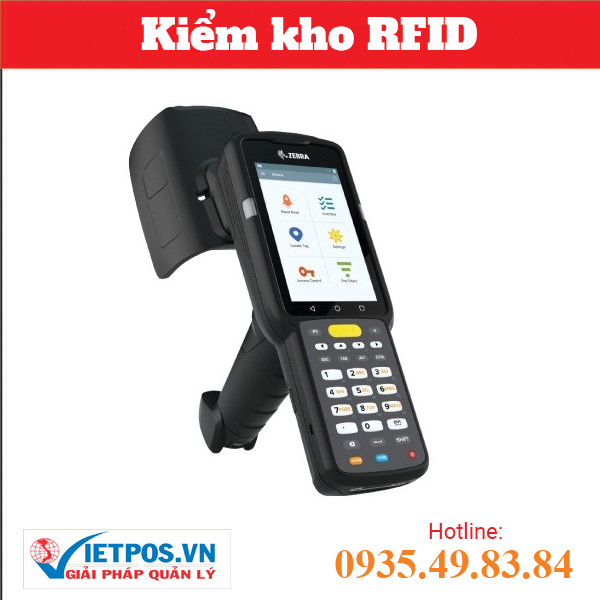
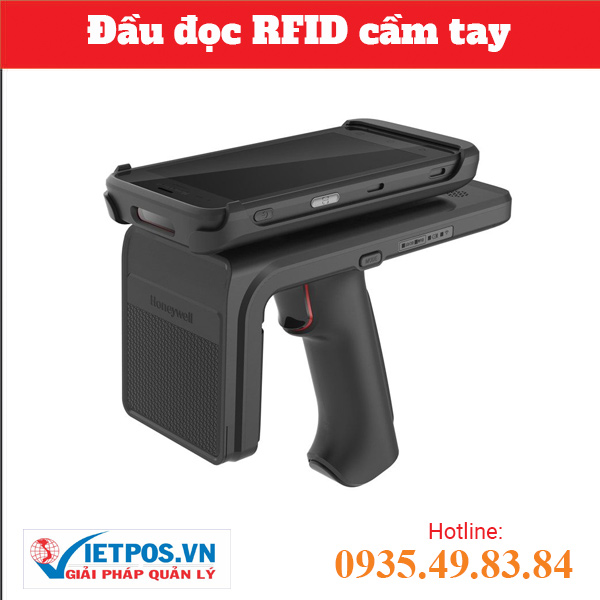
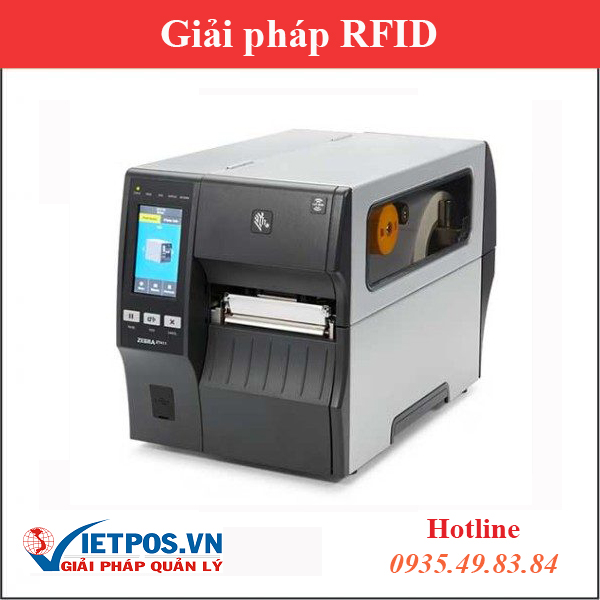

For library books, HF tags (High Frequency, 13.56 MHz) are the most common choice, following ISO 18000-3 or ISO 15693 standards. UHF tags (Ultra High Frequency, 860–960 MHz) suit large book repositories requiring long-range reading (3–10m) and rapid inventory, but are susceptible to metal and liquid interference. Most Vietnamese libraries choose HF for stability, low cost, and security gate compatibility.
Bạn đang tìm sản phẩm cho chủ đề này?
Việt POS phân phối chính hãng — bảo hành 24-36 tháng, hỗ trợ kỹ thuật 24/7.
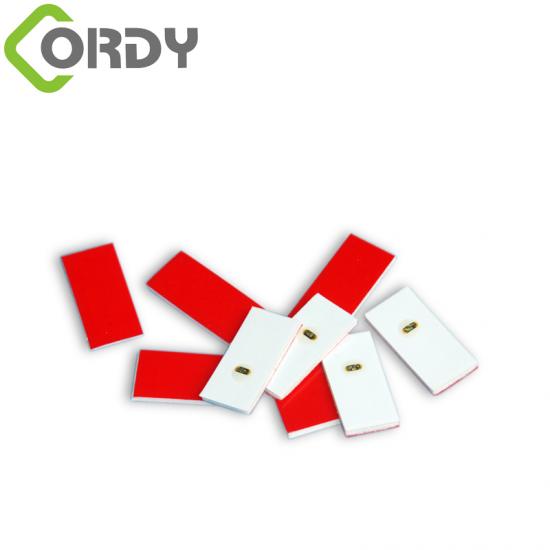
RFID NFC Dry Wet Inlay 13.56MHz — RFID Tags in Roll/Sheet Form
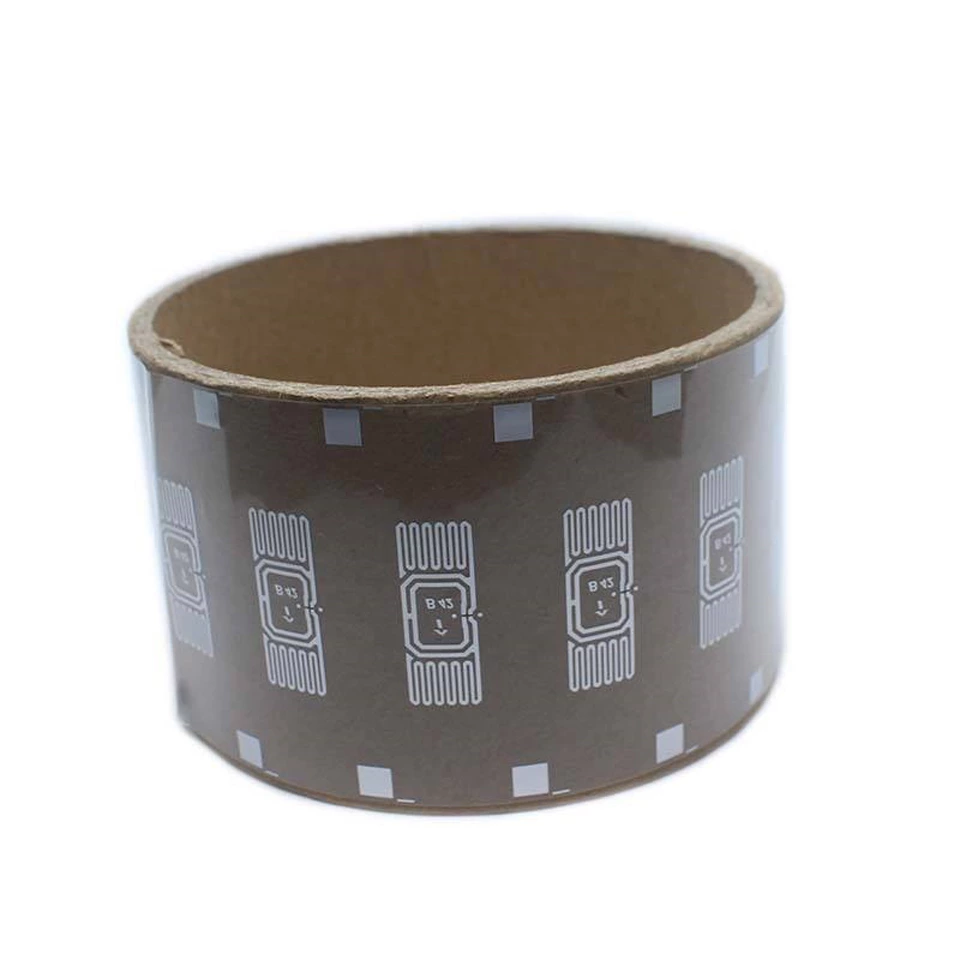
RFID Wet Inlay / Dry Inlay UHF Tags for Asset Management in Apparel, Metal, Medical, and Plastics
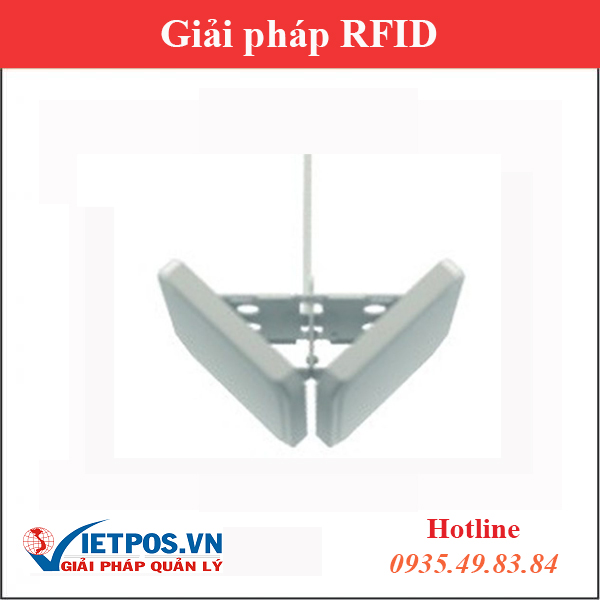
Zebra SR5502 RFID Antenna for Backroom and Warehouse
SKU: SR5502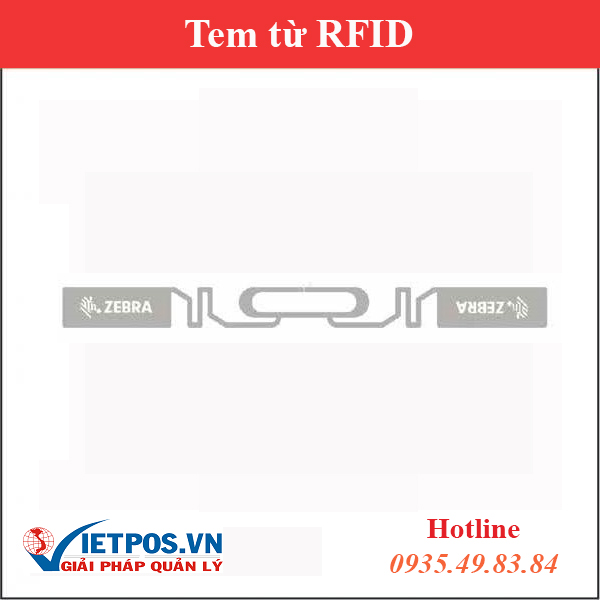
Zebra ZBR2000 RFID Tag
SKU: ZBR2000- HF (13.56 MHz): Reading range 0.3–1.2m, suitable for counter checkout, handheld inventory. Compatible with ISO 15693 (library) or ISO 18000-3 standards. Tag cost: 1,500–3,500 VNĐ/tag (bulk quantities).
- UHF (860–960 MHz): Reading range 1–8m, suitable for large book repository inventory, wide entrance gates. Standard ISO 18000-6C/EPC Gen2. Tag cost: 2,000–5,000 VNĐ/tag. Subject to metal shelf interference; requires metal-resistant tags.
Quick comparison table:
| Criteria | HF (13.56 MHz) | UHF (860–960 MHz) |
|---|---|---|
| Reading range | 0.3–1.2m | 1–8m |
| International standard | ISO 15693, ISO 18000-3 | ISO 18000-6C, EPC Gen2 |
| Primary application | Checkout, manual inventory | Rapid inventory, wide security gates |
| Tag cost | 1,500–3,500 VNĐ | 2,000–5,000 VNĐ |
| Best for | School and public libraries | Large repositories, document centers |
Data encoding on RFID book tags: EPC, AFI, and security bit
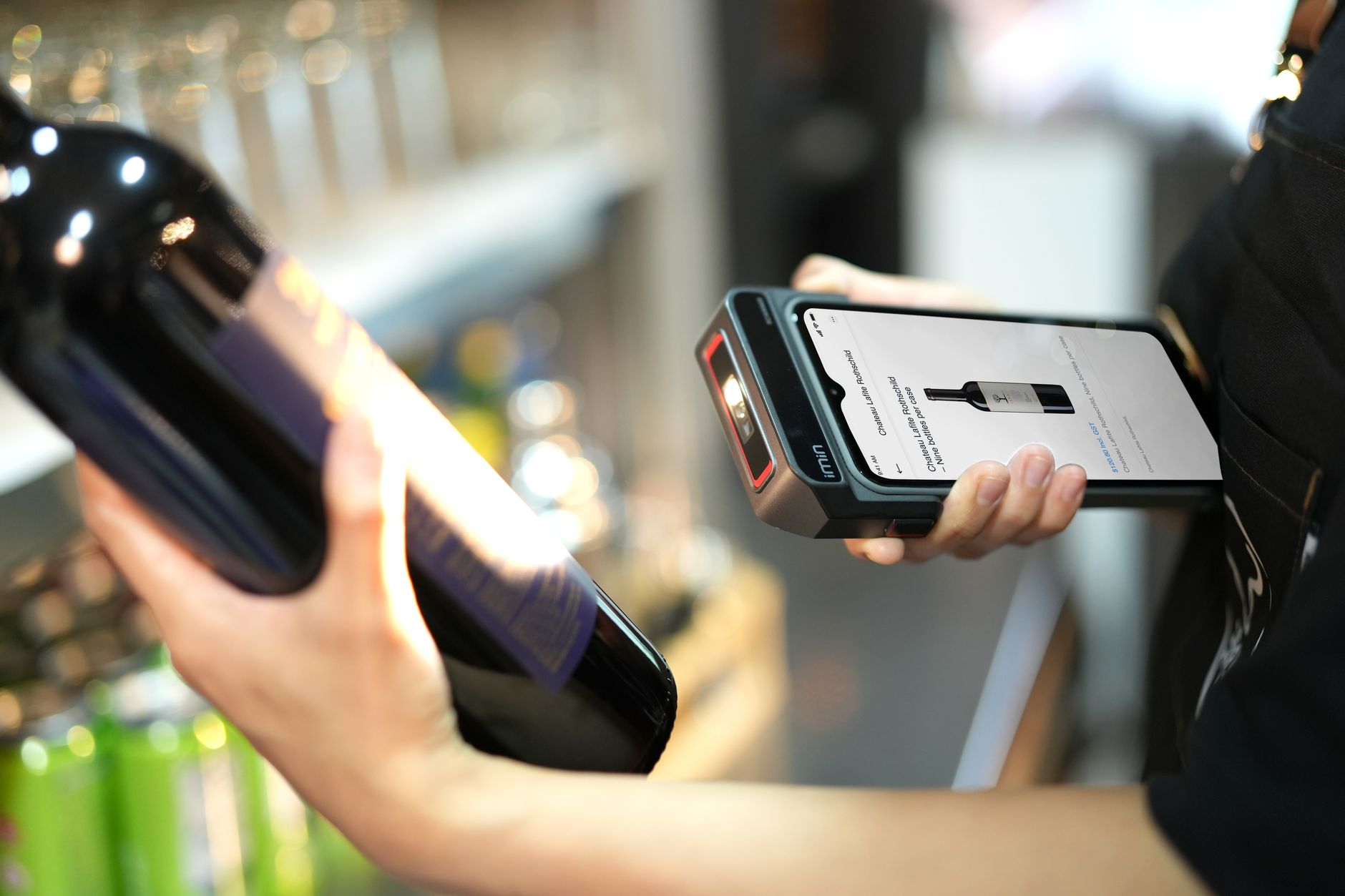
RFID book tag encoding consists of three main components: EPC (Electronic Product Code) – unique identifier for each book; AFI (Application Family Identifier) – book classification by category; and security bit (EAS bit) – activate/deactivate anti-theft mode. Proper GS1-standard encoding ensures data synchronization with library management systems (LMS).
Step 1: Define EPC structure
EPC typically spans 96 or 128 bits, comprising: Header (8 bit), Filter (3 bit), Partition (3 bit), Company Prefix (20–40 bit), Item Reference (24–44 bit), and Serial Number (38 bit). For books, use ISBN as Item Reference combined with sequential numbers to distinguish copies.
Step 2: Configure AFI (Application Family Identifier)
AFI is a byte (8 bit) for document classification: for example 0x07 for textbooks, 0x08 for reference materials, 0x09 for periodicals. AFI allows readers to filter quickly, reading only tags from target groups.
Step 3: Activate security bit (EAS)
The security bit (EAS – Electronic Article Surveillance) is a special memory bit in the tag. When a book is properly checked out, the EAS bit is disabled (0). When an unchecked book passes through a security gate, the EAS bit remains active (1) → triggers alarm. This completely replaces traditional theft-detection strips.
Summary table of RFID book tag technical specifications
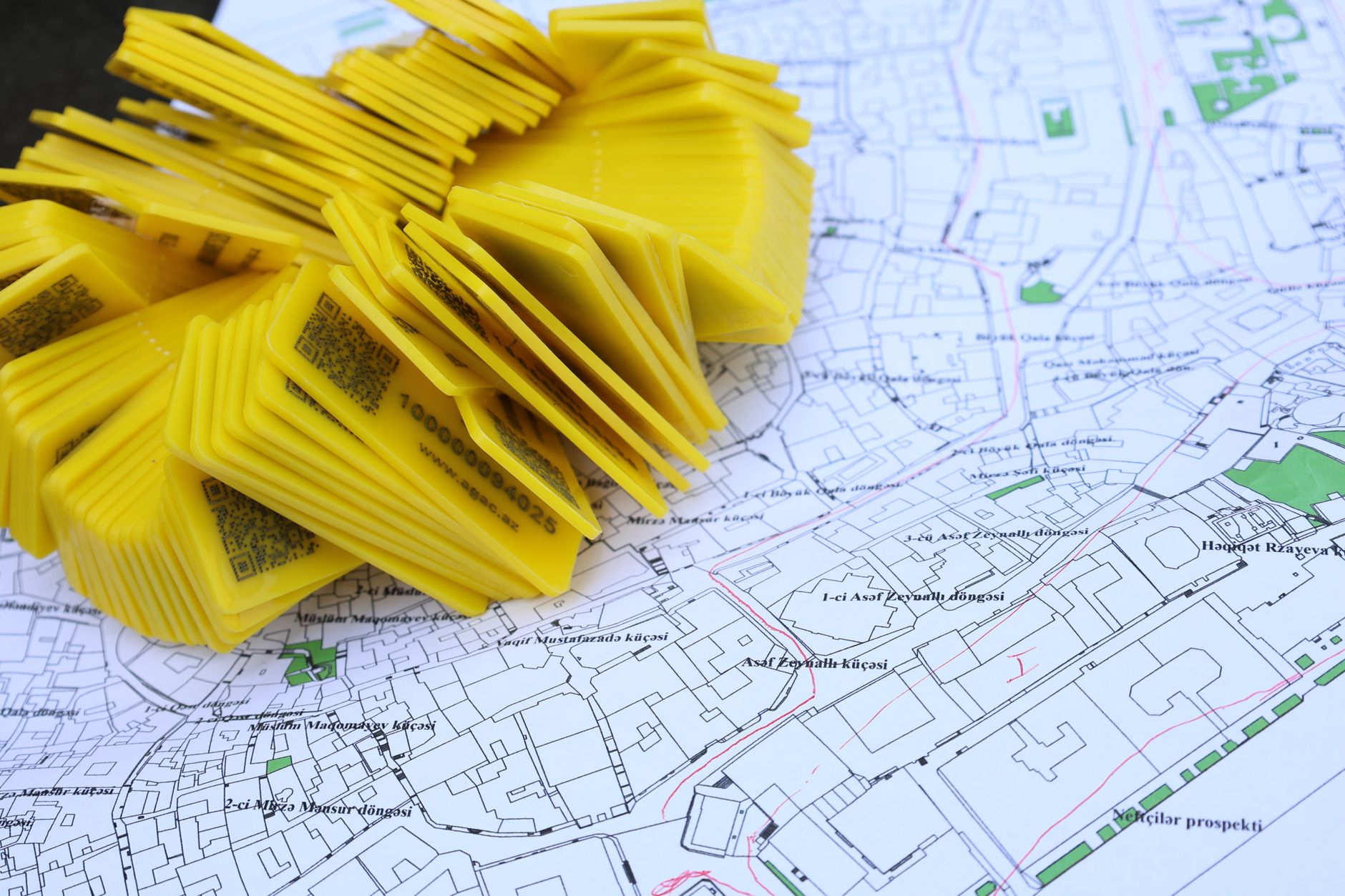
The table below summarizes key specifications when selecting RFID book tags, enabling quick comparison across common market options.
| Term | Definition | Example |
|---|---|---|
| EPC (Electronic Product Code) | Unique tag code, typically 96 bit, used to identify books. | EPC: 3014B3F1A2C5D6E7 (hex) |
| AFI (Application Family Identifier) | Classification byte for documents, enables quick filtering during bulk reads. | 0x07 = textbook; 0x08 = reference material |
| EAS bit (Electronic Article Surveillance) | Anti-theft control bit, activated/deactivated on checkout/return. | EAS=1: alarm; EAS=0: safe |
| ISO 15693 | International standard for HF RFID tags, read range to 1.5m, library use. | NXP ICODE SLIX tag |
| ISO 18000-6C (EPC Gen2) | Standard for UHF, long read range, suited for large repository inventory. | Impinj Monza R6 tag |
Common mistakes in RFID tag selection and how to avoid them
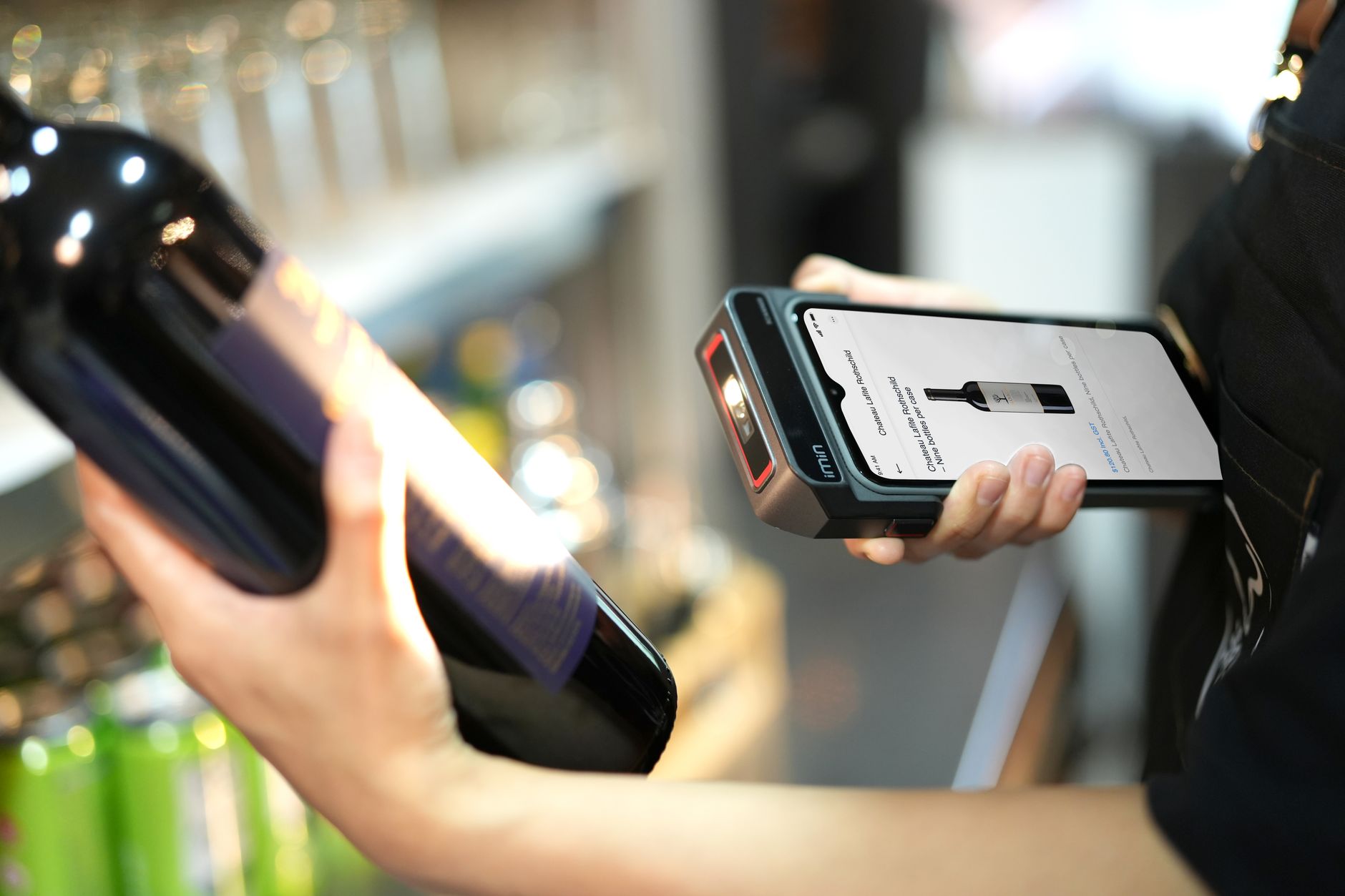
Many Vietnamese libraries make costly mistakes by purchasing cheap, sourcing-unclear RFID tags, resulting in read failures, signal interference, or tag damage within 1–2 years. Below are three common mistakes and solutions from real-world deployment experience.
- Mistake 1: Selecting UHF tags for small libraries with metal shelving. UHF tags suffer metal shelf interference, reducing read range to 0.5–1m, causing inventory loss. Solution: Use HF tags (ISO 15693) or metal-resistant UHF tags (on-metal).
- Mistake 2: Failing to encode AFI and EAS bits. Many organizations encode only EPC, omitting AFI and EAS, losing document classification and anti-theft capability. Solution: Require vendors to fully encode all three fields.
- Mistake 3: Purchasing tags without verified sourcing, poor chips. Cheap RFID chips (under 1,000 VNĐ) often have only 64-bit memory, insufficient for EPC+AFI+EAS storage, failing within 1–2 years. Solution: Select NXP ICODE SLIX (HF) or Impinj Monza R6 (UHF) chips with 3–5 year warranties.
RFID deployment process for libraries at Việt POS
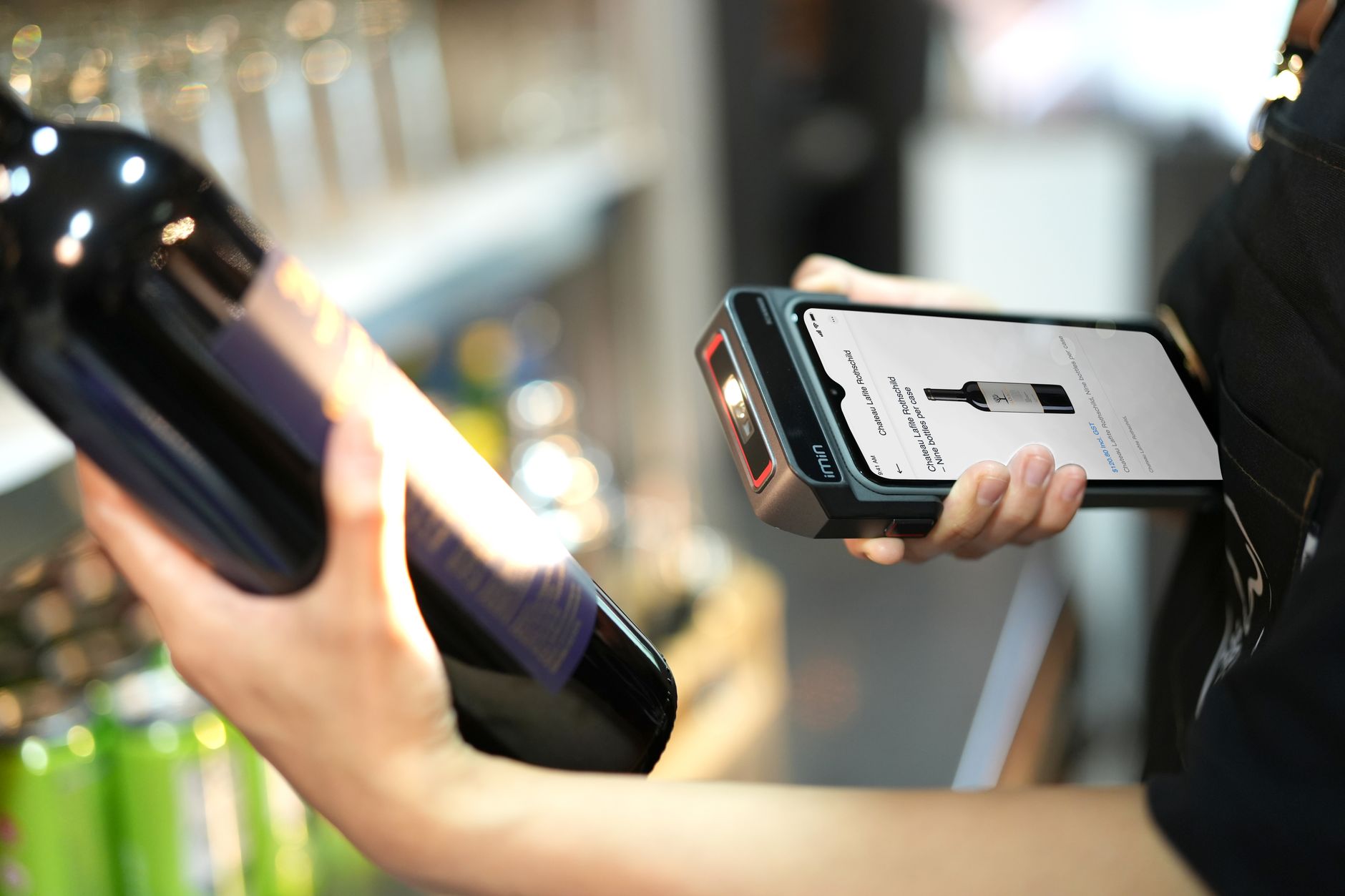
Việt POS delivers complete RFID solutions for libraries: from on-site surveys, tag type consultation (HF/UHF), fixed reader installation, library management software (LMS) integration, staff training, to 12–24 month warranties. We have deployed solutions for over 20 school and public libraries in Ho Chi Minh City and Hanoi.
The process comprises five steps:
- Survey: Measure floor area, book count, shelf type, entrance/exit width. Determine optimal frequency (HF or UHF).
- Consultation & tag selection: Recommend chip type, tag size (50x50mm, 76x45mm), quantity, budget. Options for tags with pre-printed barcodes combined with RFID.
- Data encoding: Write EPC (ISBN + serial), AFI (by category), activate EAS bit. Synchronize with LMS software.
- Installation: Attach tag to each book (typically inside back cover), install security gates, handheld readers, POS-integrated checkout terminals.
- Training & warranty: Train librarians on inventory procedures, checkout/returns, troubleshooting. Equipment warranty 12 months, RFID tags 3 years.
Việt POS partners with reputable hardware vendors: Chainway, Zebra, Honeywell, delivering integrated, competitive solutions.
Frequently asked questions about RFID library book tags
Can RFID book tags be reused?
No. RFID book tags are typically single-use because the adhesive permanently bonds to the book cover, and chips may be damaged during removal. However, if tags are attached with clips or plastic holders (not directly adhered), you can remove and reattach them. Most libraries apply tags permanently for durability and theft prevention.
What is the deployment cost for RFID tagging a 5,000-book library?
Costs range from 15–40 million VNĐ, including: RFID tags (1,500–3,500 VNĐ/tag, chip-dependent), handheld readers (5–15 million), security gates (10–25 million), LMS software (if needed), and installation labor. Việt POS provides comprehensive quotes following site assessment; contact 0935 498 384 for detailed pricing.
How do I integrate RFID tags with existing library management software?
Việt POS supports integration via API or CSV/XML files. Our technical team connects with popular LMS software (Koha, Libol, Digital Library). If using Việt POS management software, integration is fully automatic with real-time checkout/return data synchronization.
Do RFID tags affect old books or hardcover books?
No. RFID tags are extremely thin (0.2–0.5mm) and do not damage book covers. For older books, apply tags inside the back cover, avoiding the spine. Hardcover books work well with tags as they lack metal interference. If books have metal covers (rare), use metal-resistant RFID tags (on-metal RFID).
Are RFID library book tags water-resistant and heat-tolerant?
Yes. Standard library RFID tags typically feature water-resistant coating (IPX4–IPX6) and withstand temperatures from -20°C to 70°C. However, avoid prolonged water immersion. For damp environments (such as old book archives), request tags with PET or PVC protective layers.
Cần tư vấn thiết bị/giải pháp cụ thể?
Việt POS phản hồi trong 30 phút · Hotline 4 vùng · Khảo sát miễn phí.
Bài viết cùng chủ đề