Mục lục bài viết (7)
- What are RFID ear tags for cattle?
- Selection criteria for RFID ear tags for dairy and beef cattle
- Guide to proper RFID ear tag installation for cattle
- Common mistakes when installing RFID ear tags on cattle
- Comparison table: LF and UHF RFID ear tags for cattle
- Business benefits of RFID ear tag implementation for dairy and beef cattle
- Frequently asked questions
Managing dairy and beef cattle herds using manual methods (notebooks, plastic numbered tags) leads to data errors, wasted inventory time, and difficulty tracing origin when animals leave the farm. RFID ear tags provide automation that helps livestock enterprises reduce inventory time by 50-70%, increase accuracy to 99%, and meet traceability standards required for export markets. This article will guide you on selecting the right RFID tag type and installation technique to achieve maximum efficiency.
What are RFID ear tags for cattle?
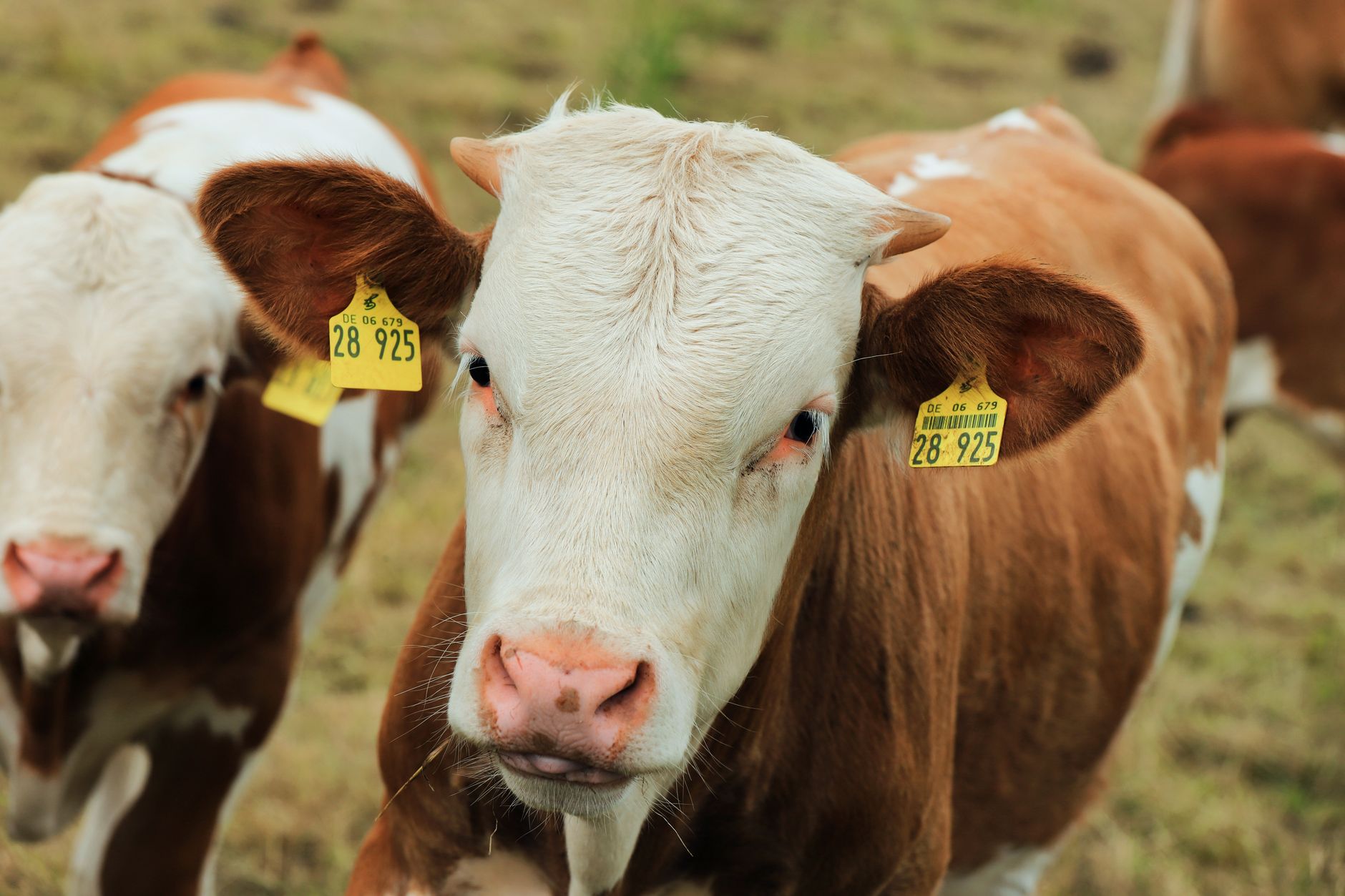
RFID ear tags for cattle are electronic identification devices attached to animal ears, containing a chip that stores a unique ID code and information such as birth date, breed, and vaccination history. When an RFID reader scans the tag, data is transmitted wirelessly to the management system, enabling tracking of individual animals within the herd.
Tags operate on radio wave principles, either passive (no battery) or active (with integrated battery for range >10m). In Vietnam, LF (Low Frequency - 134.2 kHz) and UHF (Ultra High Frequency - 860-960 MHz) are the two most common frequency bands for dairy and beef cattle management.
Selection criteria for RFID ear tags for dairy and beef cattle
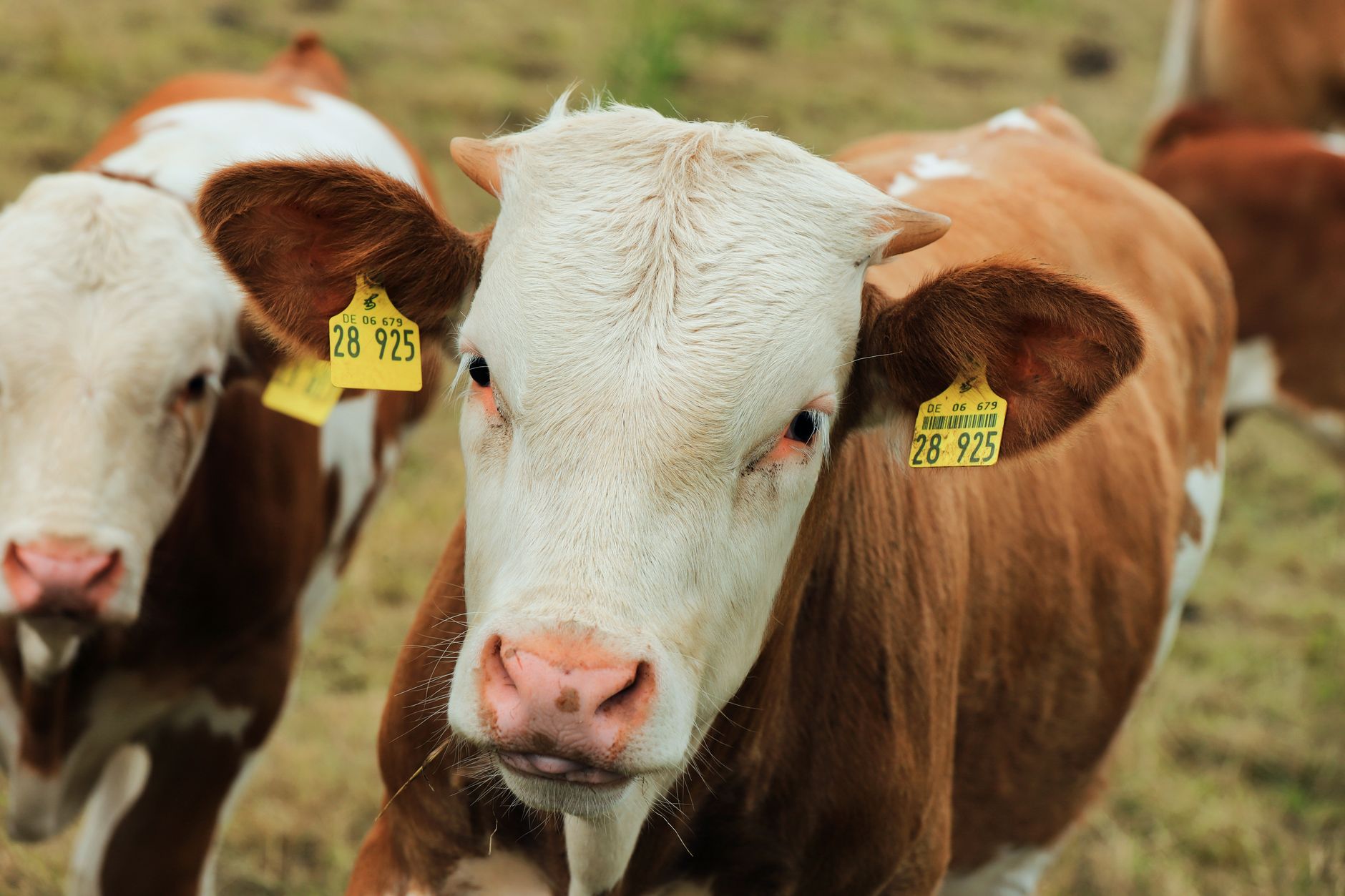
Selecting RFID ear tags must be based on operating frequency, tag material, size, and environmental durability for farm conditions. Below are the key factors.
Bạn đang tìm sản phẩm cho chủ đề này?
Việt POS phân phối chính hãng — bảo hành 24-36 tháng, hỗ trợ kỹ thuật 24/7.
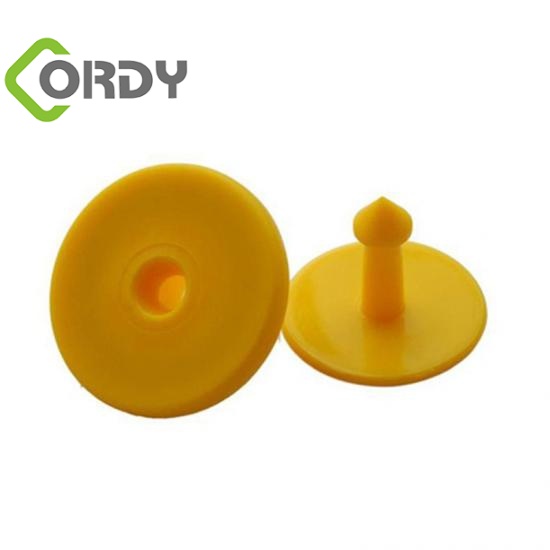
13.56MHz RFID Ear Tags for Livestock and Pets
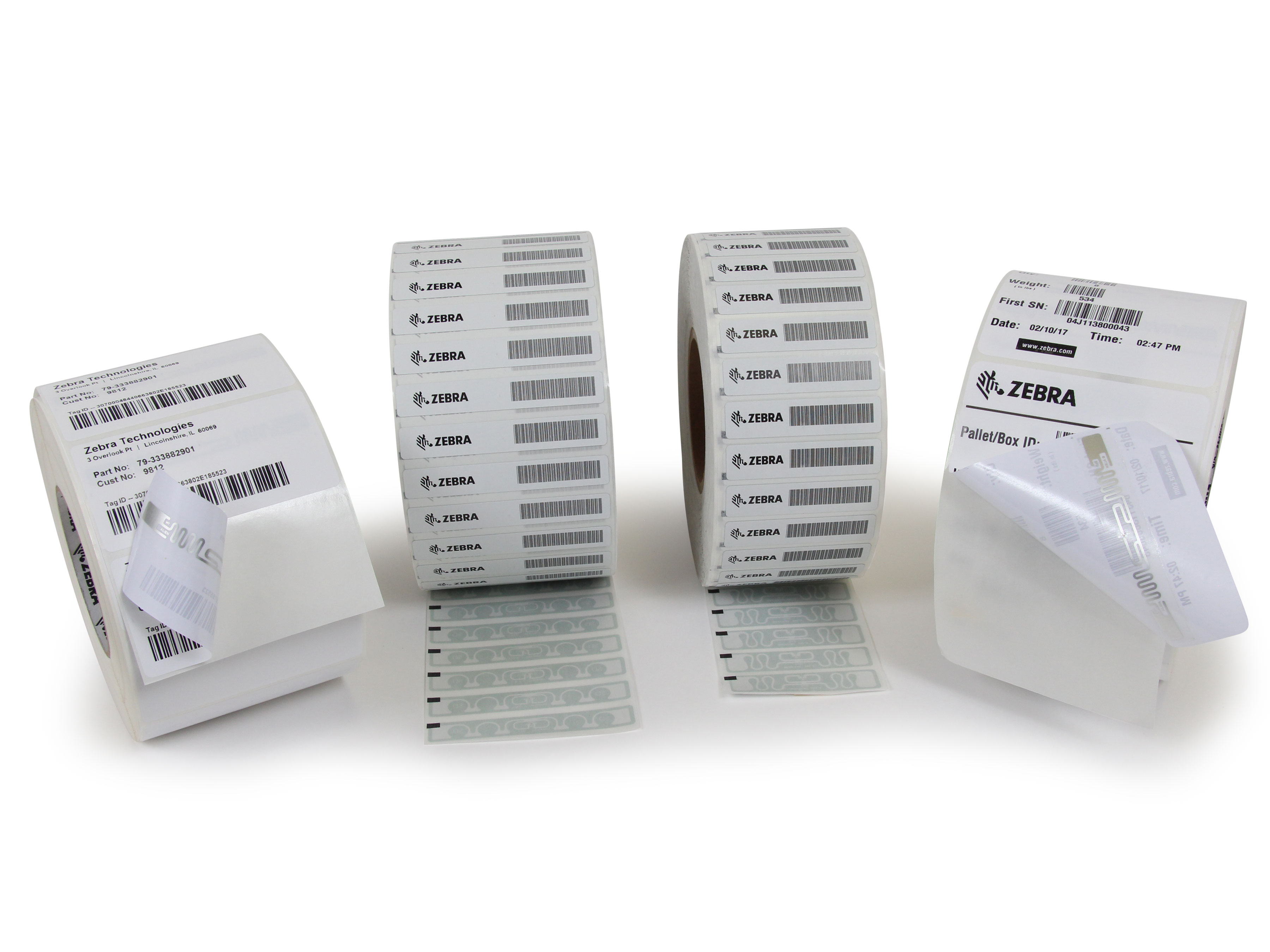
Zebra RFID Labels and Tags — Wide Range of Sizes and Materials
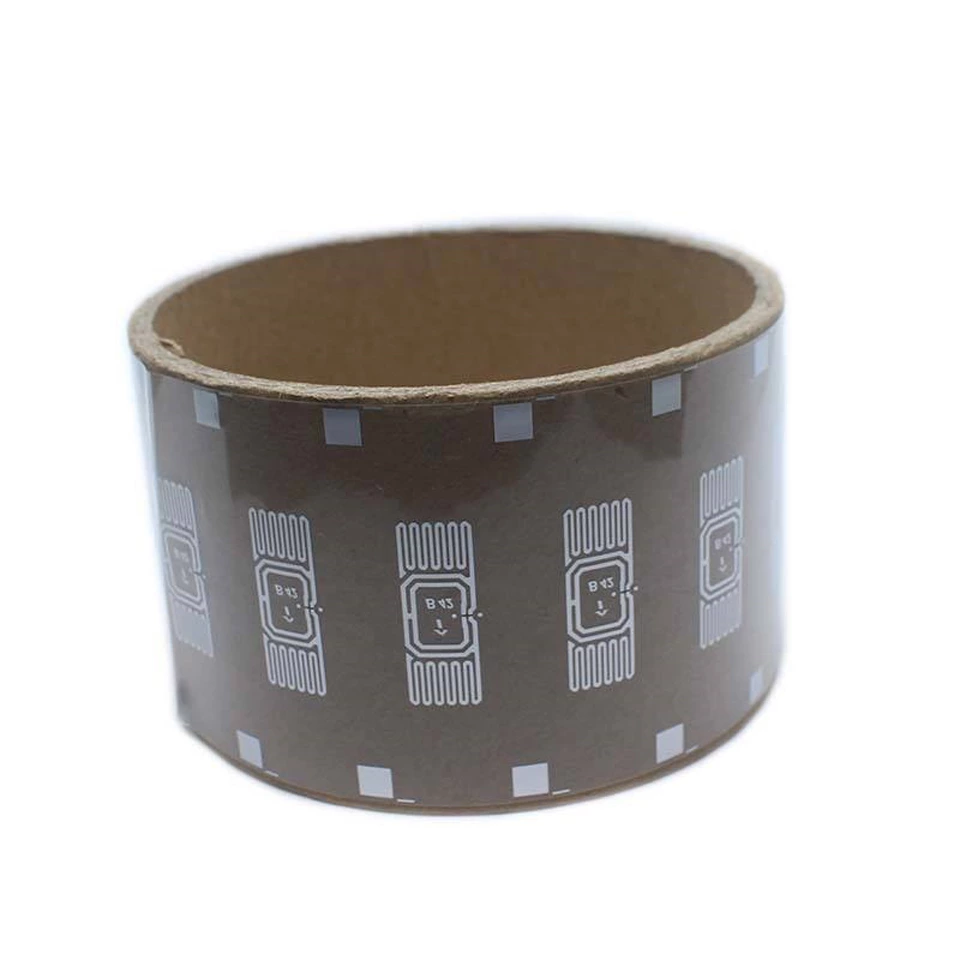
RFID Wet Inlay / Dry Inlay UHF Tags for Asset Management in Apparel, Metal, Medical, and Plastics
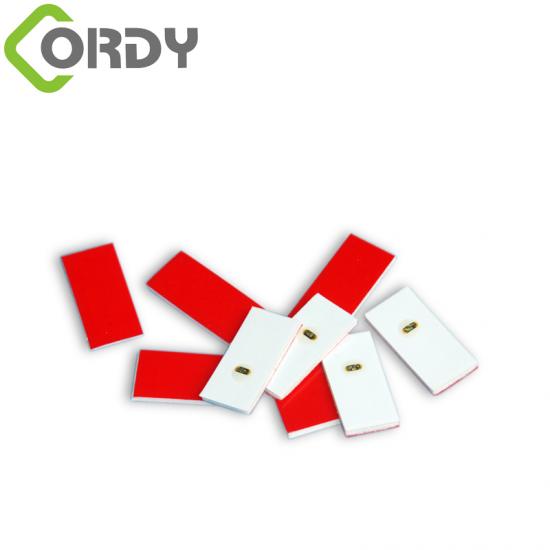
RFID NFC Dry Wet Inlay 13.56MHz — RFID Tags in Roll/Sheet Form
Frequency selection: LF or UHF?
- LF (134.2 kHz) — International standard ISO 11784/11785 for animal identification. Short read range (5-30 cm), low biological noise, suitable for scanning individual animals with handheld readers. Advantages: stable, low cost. Disadvantages: slow read speed, cannot read multiple tags simultaneously.
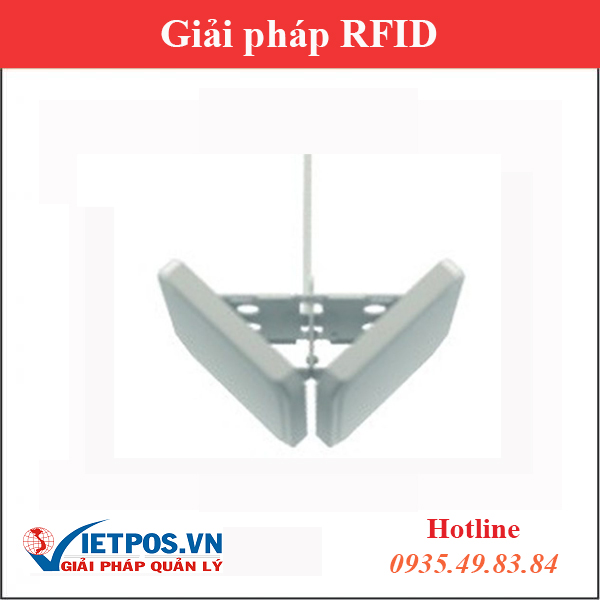
- UHF (860-960 MHz) — EPC Gen2 standard (ISO 18000-6C). Long read range (3-10 m), can simultaneously read 100-200 tags/second. Suitable for large farms (>500 animals) requiring fast inventory via fixed gates or drones. Disadvantages: susceptible to interference near animal bodies, higher cost.
Tag material and size
- Material: RFID ear tags are typically made from TPU (Thermoplastic Polyurethane) or polyurethane — withstands -20°C to 80°C, resistant to chemicals (lime, disinfectants) and UV radiation. Premium models feature IP67/IP68 waterproof coating.
- Size: Large tags (75×55 mm) suit adult cattle, are easy to attach and visible to the naked eye. Small tags (45×30 mm) suit calves, piglets, or smaller beef cattle. Avoid tags heavier than 15g as they may cause discomfort to the animal.
Compatibility with herd management systems
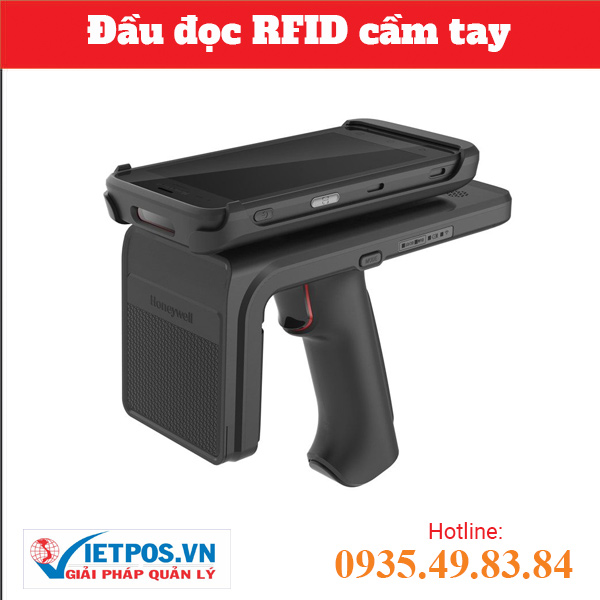
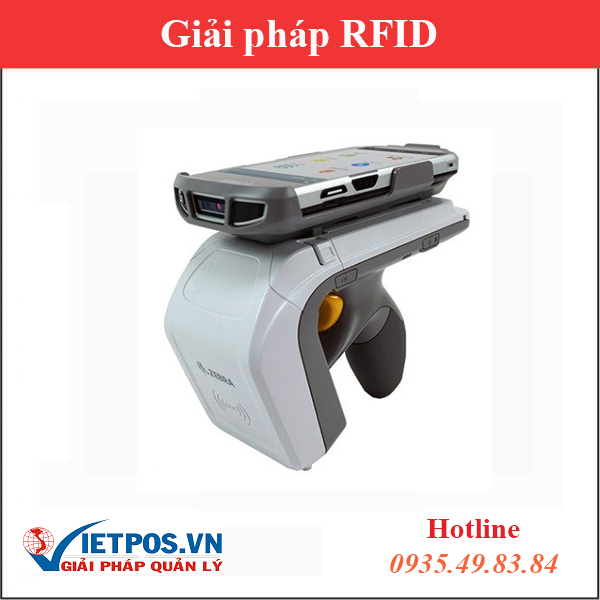
RFID tags must be compatible with readers and herd management software. Việt POS implements complete solutions: RFID ear tags (LF/UHF standard), Chainway C66/C71 handheld readers (Android, supporting dual LF+UHF), and herd management software for breed, vaccination, and milk production tracking. The system integrates with POS software to synchronize sales data if the farm operates a direct dairy retail outlet.
Guide to proper RFID ear tag installation for cattle
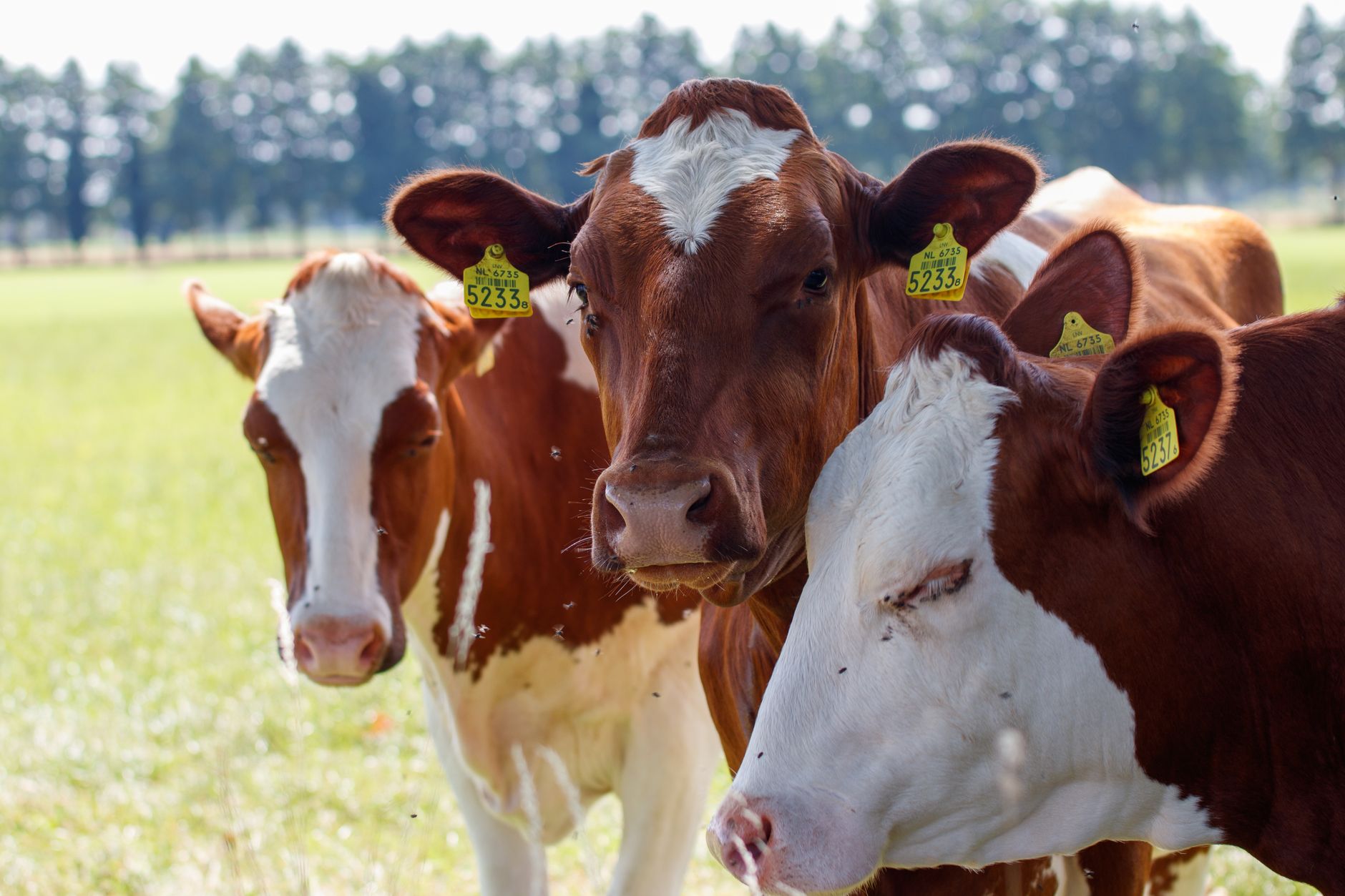
Improper tag placement or procedure leads to tag loss, ear infection, or data loss. Below is the 5-step technical procedure.
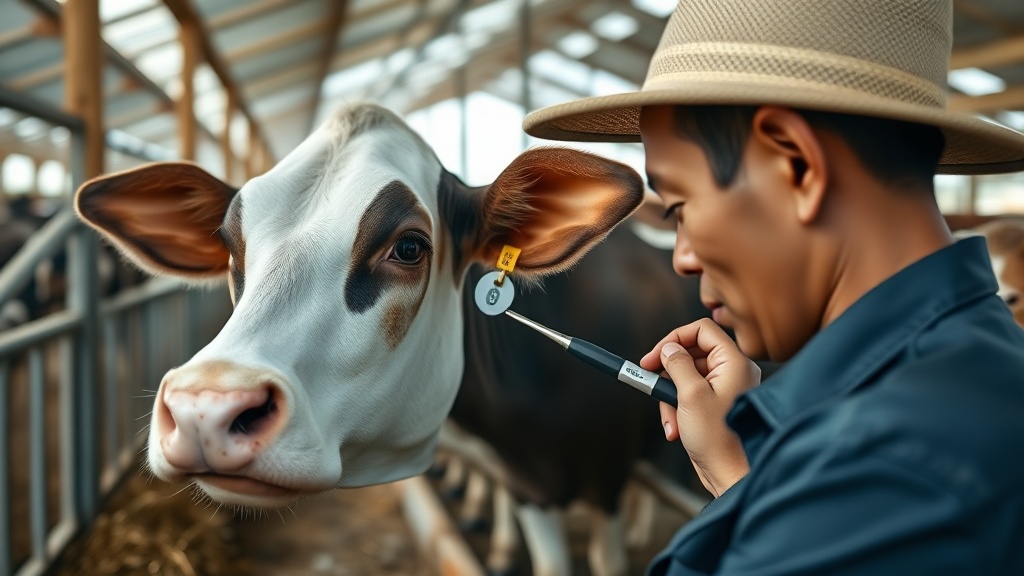
- Prepare equipment: Specialized tag applicator (pliers), RFID ear tags, disinfectant solution (10% iodine or 70% alcohol), medical gloves.
- Sanitize ear: Use a clean cloth to wipe the area between the two ear veins (the thinnest section with minimal blood vessels). Disinfect with iodine solution to reduce infection risk.
- Identify attachment location: Attach the tag to the middle third of the ear, 2-3 cm from the ear edge, avoiding major veins. The male tag face outward, female face inward to prevent snagging.
- Apply tag: Place the tag in the applicator and squeeze firmly in one decisive motion. Check that the tag is properly seated — it should rotate slightly around its axis but not detach.
- Verify and record data: Use an RFID reader to scan the tag and confirm chip functionality. Record the ID code in the management system along with attachment date, breed, and age.
Common mistakes when installing RFID ear tags on cattle
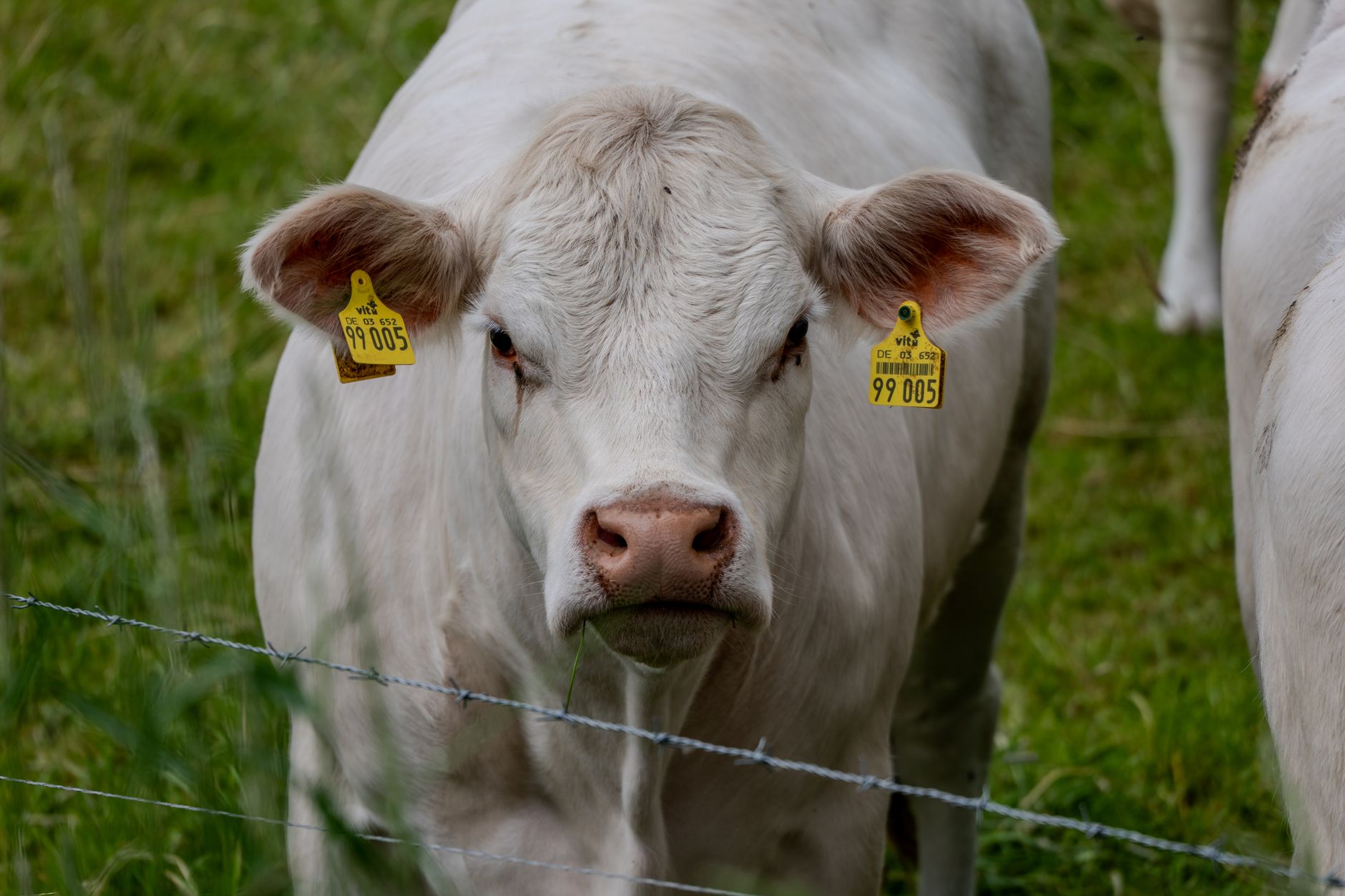
- Attaching tag too close to ear edge: Risk of ear tear when cattle rub or pull. Safe distance: minimum 2 cm from ear edge.
- Skipping disinfection step: Infection rate increases 15-20% without sanitization, leading to discharge and tag loss after 2-4 weeks.
- Using non-specialized applicator: Cheap applicators easily break, resulting in poor tag fit or cartilage damage from excessive force.
- Failing to verify tag after attachment: Approximately 3-5% of new tags have chip defects or antenna damage from shipping impacts — must be rescanned immediately.
- Using UHF tags for dairy cattle on automatic milking systems: Milking machine interference and cattle body composition reduce UHF read range — prioritize LF for this application.
Comparison table: LF and UHF RFID ear tags for cattle
| Criteria | LF Tag (134.2 kHz) | UHF Tag (860-960 MHz) |
|---|---|---|
| International standard | ISO 11784/11785 | EPC Gen2 (ISO 18000-6C) |
| Read range | 5-30 cm (handheld) | 3-10 m (fixed gate) |
| Read speed | 1-2 tags/second | 100-200 tags/second |
| Biological interference | Low | High (requires antenna adjustment) |
| Cost/tag | 8,000-15,000 VND | 20,000-40,000 VND |
| Suitable applications | Farms <200 animals, automatic milking, periodic health checks | Farms >500 animals, batch inventory, traceability for export |
Business benefits of RFID ear tag implementation for dairy and beef cattle
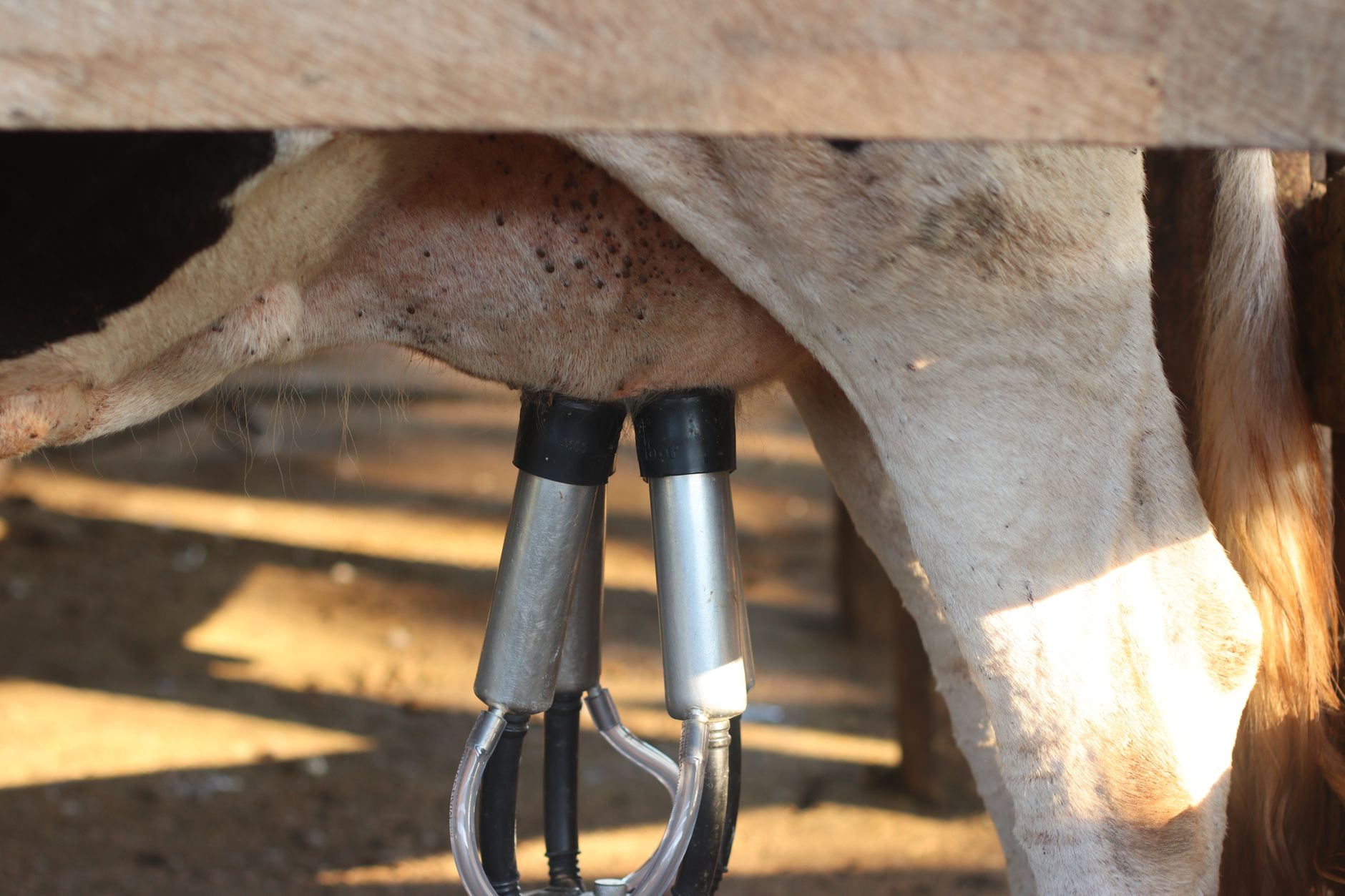
RFID implementation helps livestock enterprises optimize labor costs, increase data accuracy, and meet traceability standards for demanding markets like EU and Japan.
- Reduce inventory time by 50-70%: Instead of catching each animal to read tag numbers, UHF readers scan an entire barn in 2-3 minutes.
- Increase production data accuracy: Automatically log milking schedules, weights, and disease detection through body temperature sensors (thermal tags).
- Meet traceability standards: RFID tags store complete vaccination, feed, and transportation history — satisfying GlobalGAP and VietGAP requirements.
- Reduce loss: Detect missing or swapped animals through RFID gates at entry/exit points.
Frequently asked questions
Are RFID ear tags durable? How long do they last?
High-quality TPU RFID tags (such as Allflex HDX series) have a lifespan of 8-12 years outdoors, withstanding -20°C to 80°C and resistant to farm sanitizing chemicals. Passive chips require no battery, so they function indefinitely if not mechanically damaged.
Can UHF tags be used on dairy cattle with automatic milking systems?
Not recommended. Milking machine interference and cattle body composition (70% water) reduce UHF read range. Optimal solution is LF tags combined with readers mounted on the milking unit for >99% read accuracy.
What is the price of RFID ear tags for cattle?
LF tags cost 8,000-15,000 VND/tag (quantities >1,000), UHF tags 20,000-40,000 VND/tag. Việt POS supplies genuine Allflex, Datamars, and HID Global tags with 12-month warranty. Chainway C66 handheld reader costs 8-15 million VND.
How do I synchronize RFID tag data with farm management software?
Việt POS implements integrated solutions: Chainway readers (Android) connect via Bluetooth/Wi-Fi to herd management software (or custom API). Data synchronizes in real-time with Excel/PDF report export. Compatible with existing farm RFID systems.
Does Việt POS provide installation and training support?
Yes. Việt POS offers complete deployment: farm survey, tag and reader consultation, RFID gate installation (if needed), software integration, staff training, and 12-month warranty. Contact 0935 498 384 for detailed quote.
RFID solutions for dairy and beef cattle management have been deployed at numerous farms ranging 500-5,000 animals nationwide. Contact Việt POS at hotline 0935 498 384 or email info@vietpos.vn for free consultation. We conduct site surveys, recommend suitable equipment (LF/UHF tags, Chainway C66/C71 readers, management software), and support POS system integration if needed.
Cần tư vấn thiết bị/giải pháp cụ thể?
Việt POS phản hồi trong 30 phút · Hotline 4 vùng · Khảo sát miễn phí.
Bài viết cùng chủ đề