Mục lục bài viết (7)
- What are Access Control Devices?
- Differentiating Access Control Devices by Technology: Which Type Fits for Shopping Malls and Industrial Parks?
- Detailed Comparison of Access Control Devices for Shopping Malls and Industrial Parks
- Selection Criteria for Access Control Devices for Shopping Malls
- Selection Criteria for Access Control Devices for Industrial Parks
- Case Study: Access Control Deployment for a Shopping Mall in Da Nang
- Frequently Asked Questions
Access control devices are systems that integrate hardware (cameras, sensors, readers) and software to manage, record, and limit the flow of people entering and exiting an area. In Vietnam, shopping malls and industrial parks account for over 60% of installation demand, with the goal of both security and operational optimization.
What are Access Control Devices?
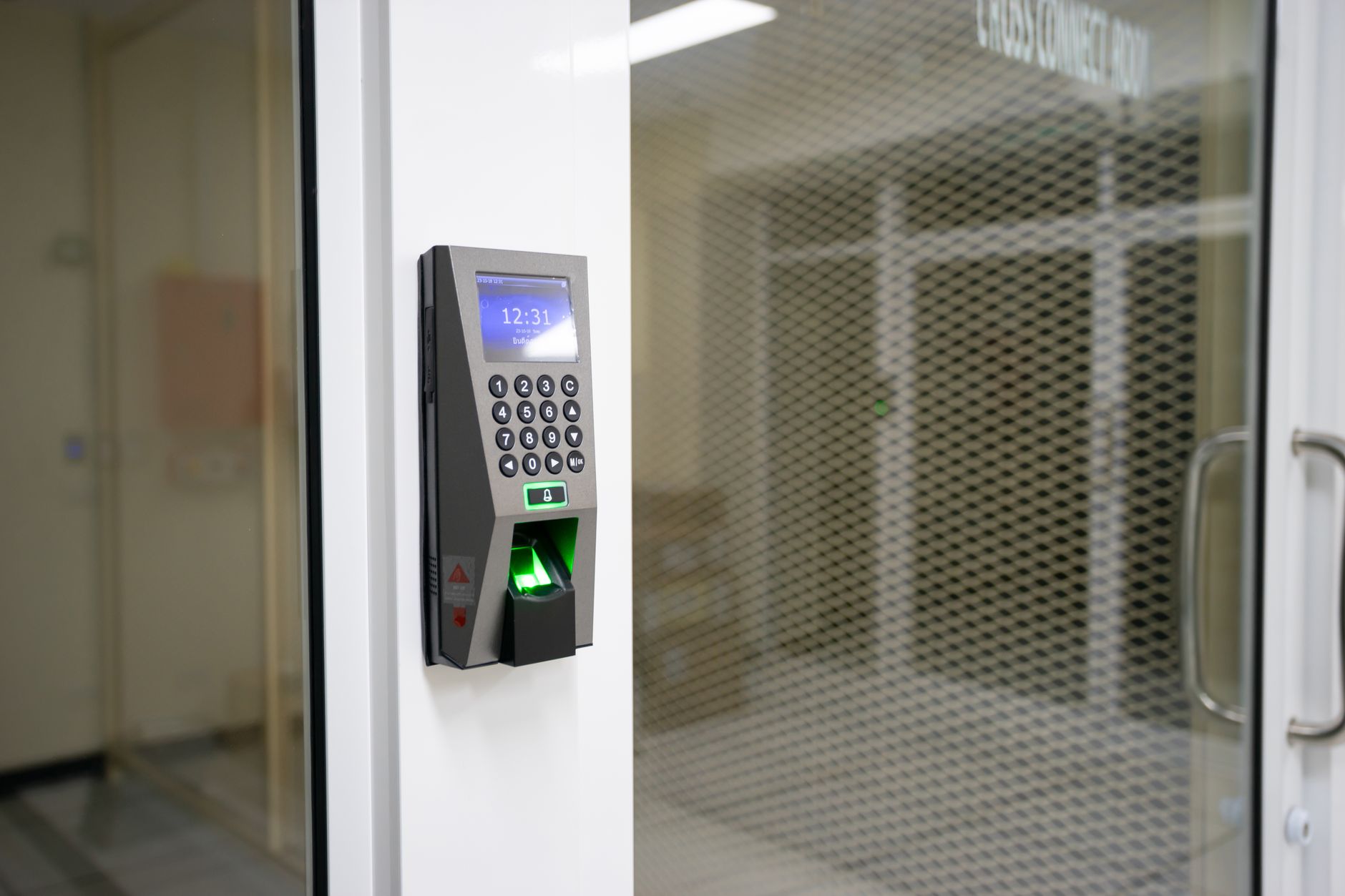
Access control devices are a set of hardware and software tools that allow businesses to control who can enter which area, at what time, and record entry/exit data in real time. The system includes readers (fingerprint, card, face), time attendance devices, cameras, barriers, and central management software.
Unlike passive surveillance cameras, access control devices actively block or grant access. In shopping malls, this system often combines security gates (EAS) and AI people counting cameras to measure customer traffic. In industrial parks, the priority is controlling personnel entry/exit at gates, factories, and restricted areas.
Differentiating Access Control Devices by Technology: Which Type Fits for Shopping Malls and Industrial Parks?
Related Products
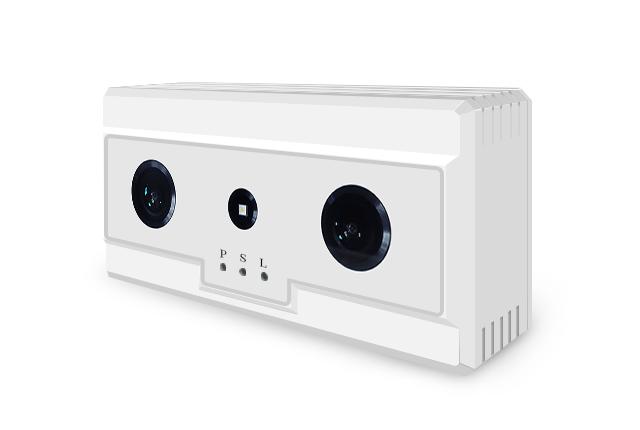

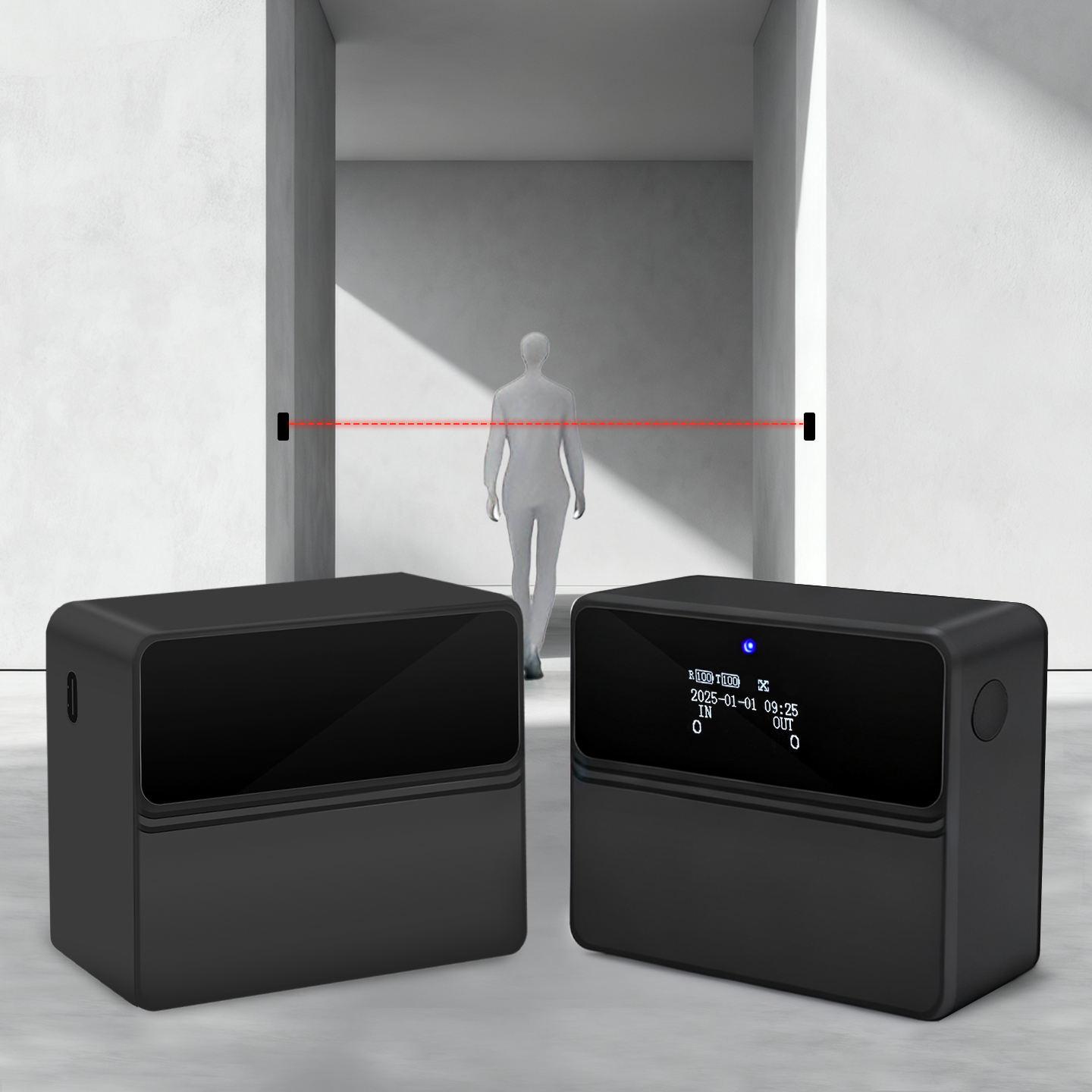
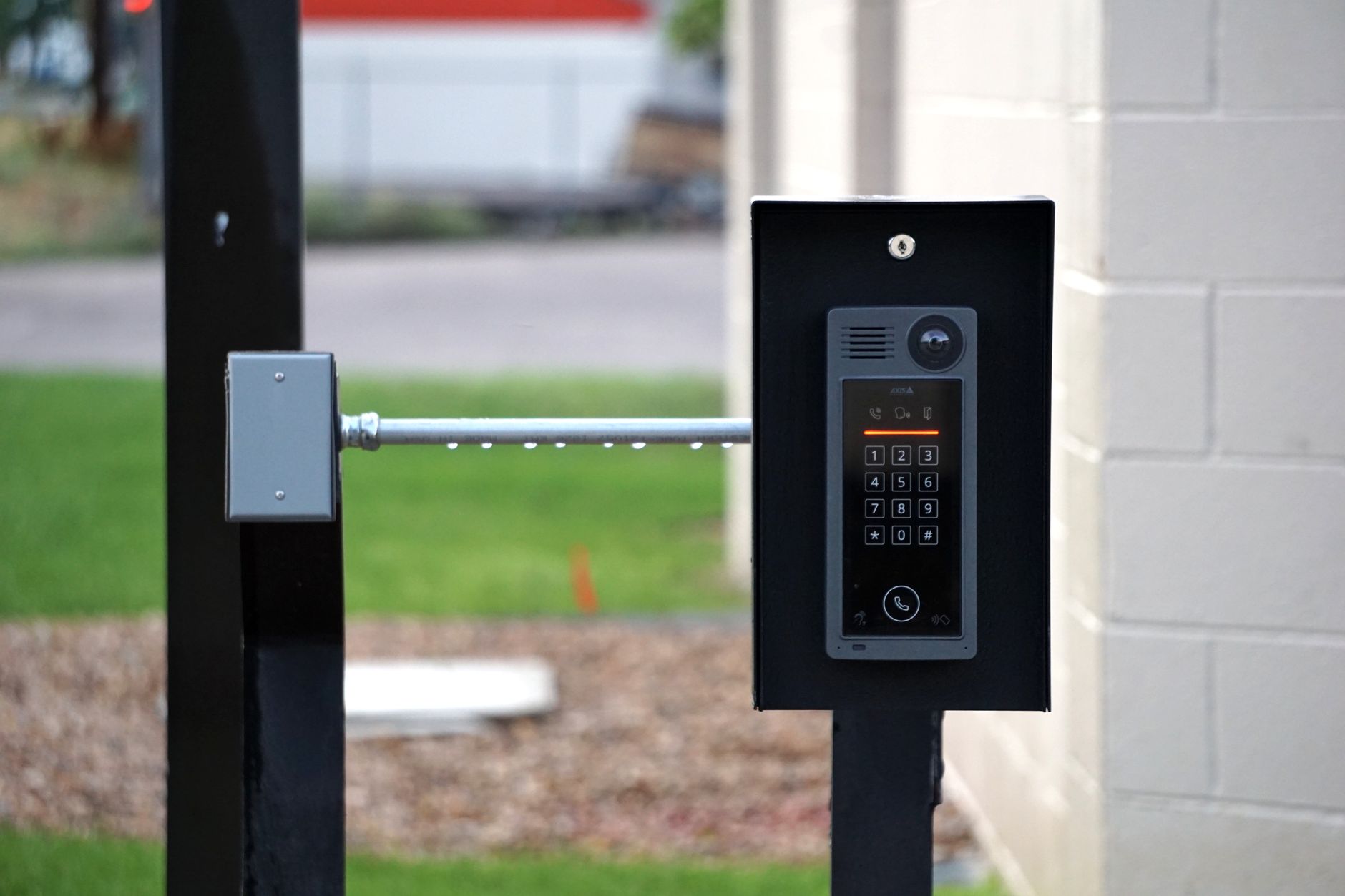
Each access control technology has its own advantages and disadvantages: AI people counting cameras are suitable for shopping malls to measure customer traffic, card/fingerprint readers are suitable for industrial parks for personnel control, while barriers and security gates are used for both but with different purposes.
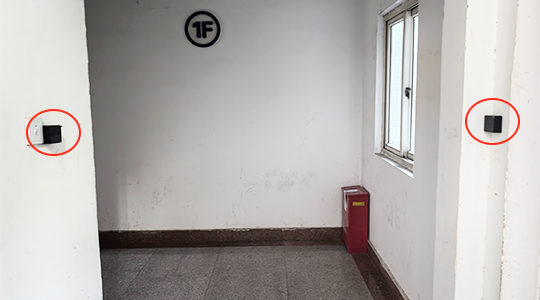
AI People Counting Camera
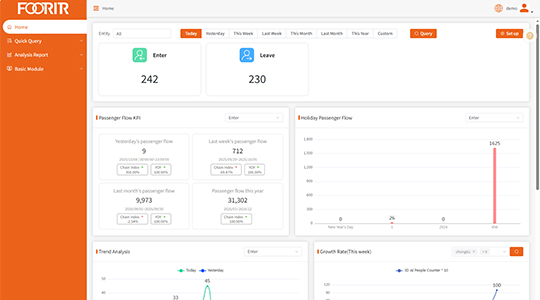
AI cameras use computer vision to count the number of people entering and exiting in real time, without contact. In shopping malls, this device helps measure footfall, optimize cashier staffing, and evaluate marketing campaign effectiveness. For example, a mini supermarket chain in Ho Chi Minh City after installing the HX-CCD23 recorded 97% accuracy in low-light conditions. In industrial parks, AI cameras are less used because the main goal is personnel control, not customer counting.
Card / RFID Reader
Card readers (proximity card) and RFID are the most common technologies in industrial parks. Employees swipe cards to enter gates, factories, and storage areas. The system records entry/exit times, serving time attendance and security. In shopping malls, cards are used for internal staff and rarely for customers due to inconvenience. The Suprema BioStation is an example that integrates card and fingerprint readers, suitable for small to medium industrial parks.
AI Facial Recognition
Facial recognition technology combined with AI enables fast authentication without cards or touch. In shopping malls, it is often used for employee entrances or VIP areas. In industrial parks, this system helps tightly control production areas and laboratories. However, costs are higher and compliance with Decree 13/2023 on personal data protection is required. The F18 Access Control supports both card and face, serving as a mid-range solution.
Infrared Sensor (IR Sensor)
Infrared sensors are simple, low-cost, and used for counting people through narrow doors or barriers. Suitable for small shopping malls or temporary checkpoints. However, accuracy is lower than AI cameras, and they are easily affected by sunlight or simultaneous moving objects. The IR People Counter FP-110 is a basic option for simple entrances.
Barrier and Turnstile / Speed Gate
Barriers and speed gates are physical devices that prevent unauthorized access. In shopping malls, speed gates are often combined with QR code ticket scanners or card readers to control access to game areas or cinemas. In industrial parks, barriers are used for vehicle and pedestrian gates, integrated with card or fingerprint readers. This solution has a high initial investment cost but significantly enhances security.
Detailed Comparison of Access Control Devices for Shopping Malls and Industrial Parks
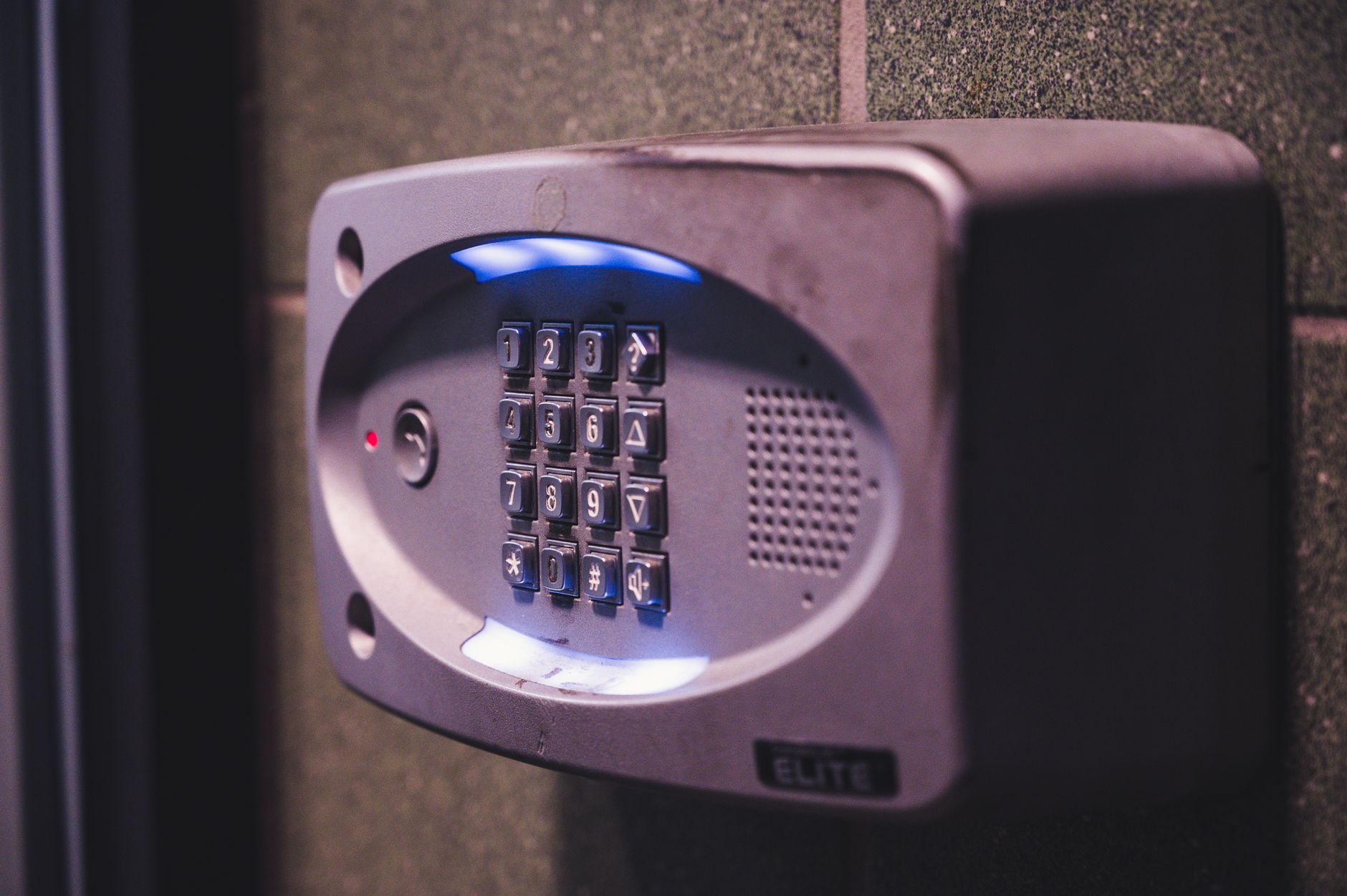
The comparison table below helps businesses easily compare 5 common device types based on criteria: main purpose, accuracy, cost, and suitable environment.
| Device Type | Shopping Mall | Industrial Park | Accuracy | Cost (Estimated) |
|---|---|---|---|---|
| AI People Counting Camera | Footfall measurement, marketing | Rarely used | 95-98% | Medium - High |
| Card / RFID Reader | Internal staff | Personnel control, time attendance | 99% | Low - Medium |
| Facial Recognition | VIP areas, staff | Restricted areas, high security | 98-99% | High |
| Infrared Sensor | Basic counting, narrow doors | Secondary passage control | 85-90% | Low |
| Barrier / Speed Gate | Ticket control, entrances | Main gates, factories | 100% (physical) | High |
Selection Criteria for Access Control Devices for Shopping Malls
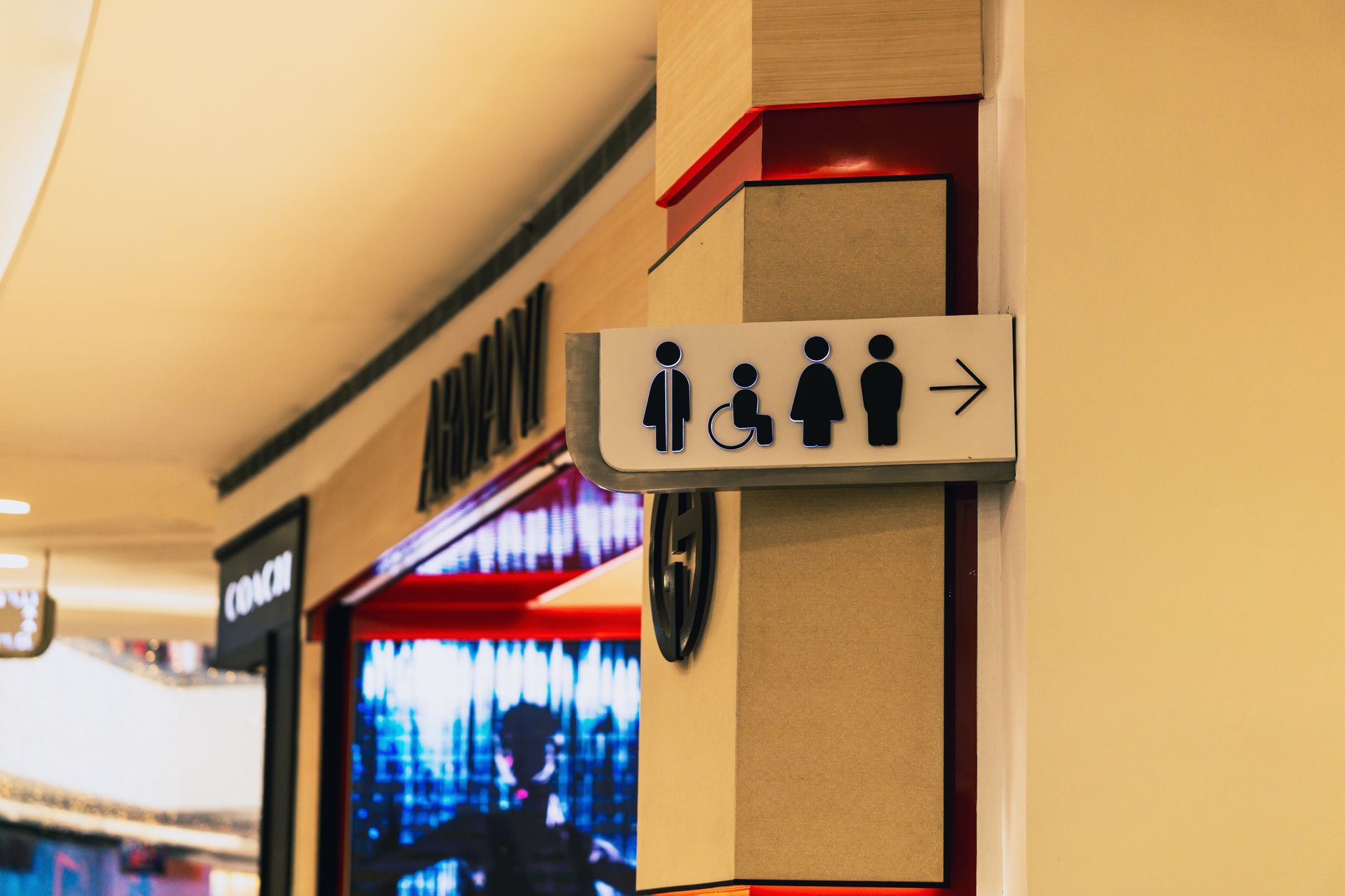
When selecting devices for a shopping mall, the top priorities are measuring customer traffic and a touchless experience. Criteria include: POS integration capability, people counting accuracy, aesthetics, and low operational cost.
- Accurate footfall measurement: AI cameras like the FP221 Series provide high accuracy, unaffected by changing lighting in shopping malls.
- POS and management software integration: People counting data needs to connect with POS to calculate conversion rates. The integrated POS sales software from Việt Đức Trí supports this connection.
- Aesthetics and space: Shopping malls need compact, easily concealable or elegantly designed devices that do not detract from the visual appeal.
- Operational cost: Prioritize devices that require infrequent maintenance and are energy-efficient.
Selection Criteria for Access Control Devices for Industrial Parks
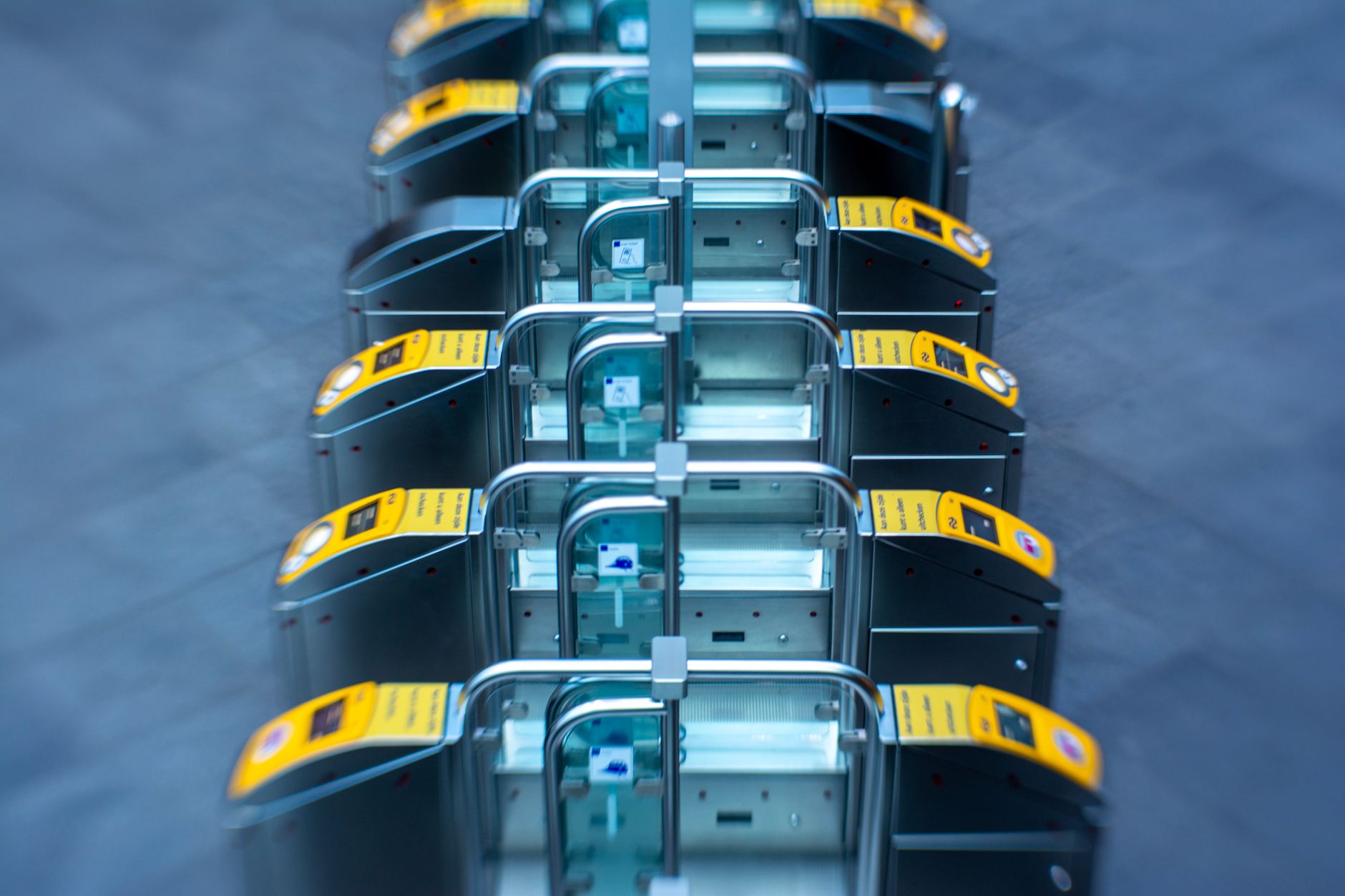
In industrial parks, the priorities are security, durability, resistance to harsh environments, and time attendance integration. Criteria include: multi-factor authentication, dust/water resistance, and management of large personnel volumes.
- Multi-factor authentication: Combine card + fingerprint or face for sensitive areas. The Suprema BioLite Solo supports both card and fingerprint.
- Environmental durability: Devices need to meet IP65 or higher standards, resistant to dust, moisture, and high temperatures. Outdoor RFID readers are a common choice.
- Large personnel management: The system must handle thousands of card swipes per day, integrating with time attendance and payroll software.
- Overall security system integration: Connect with surveillance cameras, fire alarms, and building management systems (BMS).
Case Study: Access Control Deployment for a Shopping Mall in Da Nang
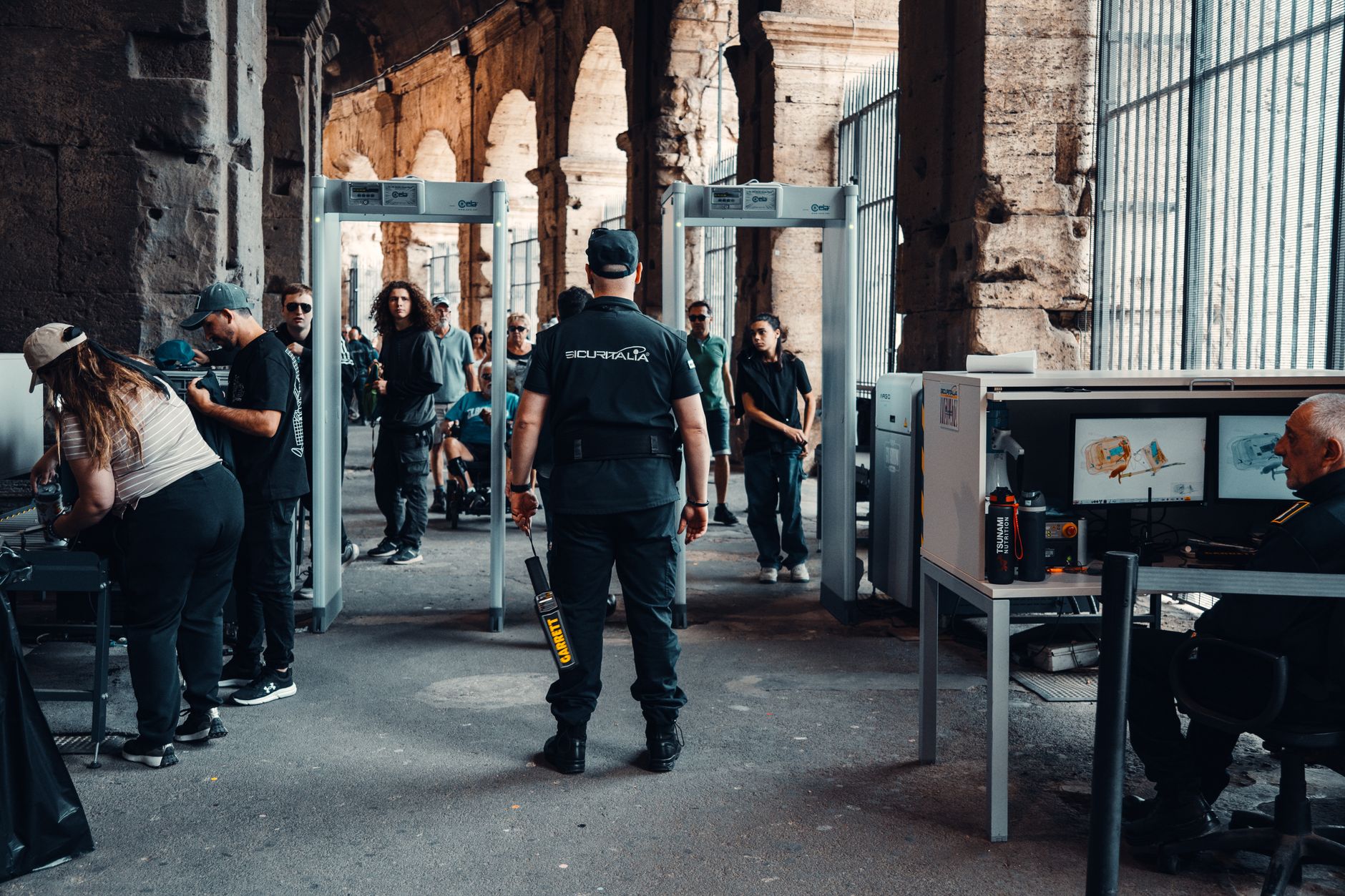
A 3-story shopping mall in Da Nang (anonymized name: Sông Hàn Shopping Center) faced a problem: it did not know the exact number of visitors per floor, leading to uneven cashier staffing. After consultation, Việt Đức Trí Group deployed 12 HX-CCD21 AI cameras at 4 main entrances and 8 elevators. Results after 3 months: counting accuracy reached 96%, reducing wait times at cashier counters by 25% during peak hours.
Frequently Asked Questions
Can an AI people counting camera replace a card reader for access control?
Not entirely. AI people counting cameras specialize in measuring customer traffic (how many people enter/exit), not verifying identity. Card readers identify who enters/exits. In shopping malls, the two systems complement each other: cameras count the quantity, cards control staff access rights.
What is the installation cost of an access control system for a 10,000m2 shopping mall?
Cost depends on the number of gates, chosen technology, and supplier. Estimated for a 10,000m2 shopping mall with 6 main entrances, using AI cameras and speed gates: approximately 250-450 million VND (including equipment, installation, management software). Contact 0935 498 384 for a detailed quote.
Which access control device is suitable for an industrial park with high dust and humidity?
RFID readers and optical fingerprint readers with IP65 or higher enclosures are the optimal choice. The Suprema BioStation or F18 both support IP65 standards, withstanding harsh environments. Avoid using outdoor infrared sensors as they are prone to dust interference.
How to integrate access control data with HR management software?
Most devices today support data export via API or CSV/Excel files. HR management software (such as the chain management software from Việt Đức Trí) can connect directly to card readers or time attendance machines via TCP/IP or USB protocols. Request the supplier to provide an open API for easy integration.
Do access control devices for shopping malls need to meet fire safety standards?
Yes. Barriers, speed gates, and magnetic locks must have an automatic release mechanism upon fire alarm (fail-safe) to ensure evacuation. Check if the device has PCCC certification per QCVN 06:2022/BXD. Most devices from Suprema and ZKTeco meet this standard.
What is the average warranty period for access control devices?
Typically 12-24 months depending on the manufacturer. Card readers and AI cameras have a 12-month warranty, barriers and speed gates 24 months. Việt Đức Trí Group offers extended maintenance packages up to 36 months for genuine devices.
Cần tư vấn thiết bị/giải pháp cụ thể?
Việt POS phản hồi trong 30 phút · Hotline 4 vùng · Khảo sát miễn phí.
Bài viết cùng chủ đề