Mục lục bài viết (5)
- What is an AI Camera for access control and who is it suitable for?
- What is an infrared sensor for access control and who is it suitable for?
- What is RFID for access control and who is it suitable for?
- Detailed comparison: AI Camera vs Infrared Sensor vs RFID
- Which access control device to choose based on use case?
AI Camera, infrared sensor, and RFID are the three most popular access control technologies for retail stores in Vietnam. This article provides a detailed comparison of each solution based on 7 criteria: accuracy, cost, POS integration capability, maintenance, scalability, real-world ROI, and suitability for each business model — helping you choose the optimal device after reading.
What is an AI Camera for access control and who is it suitable for?
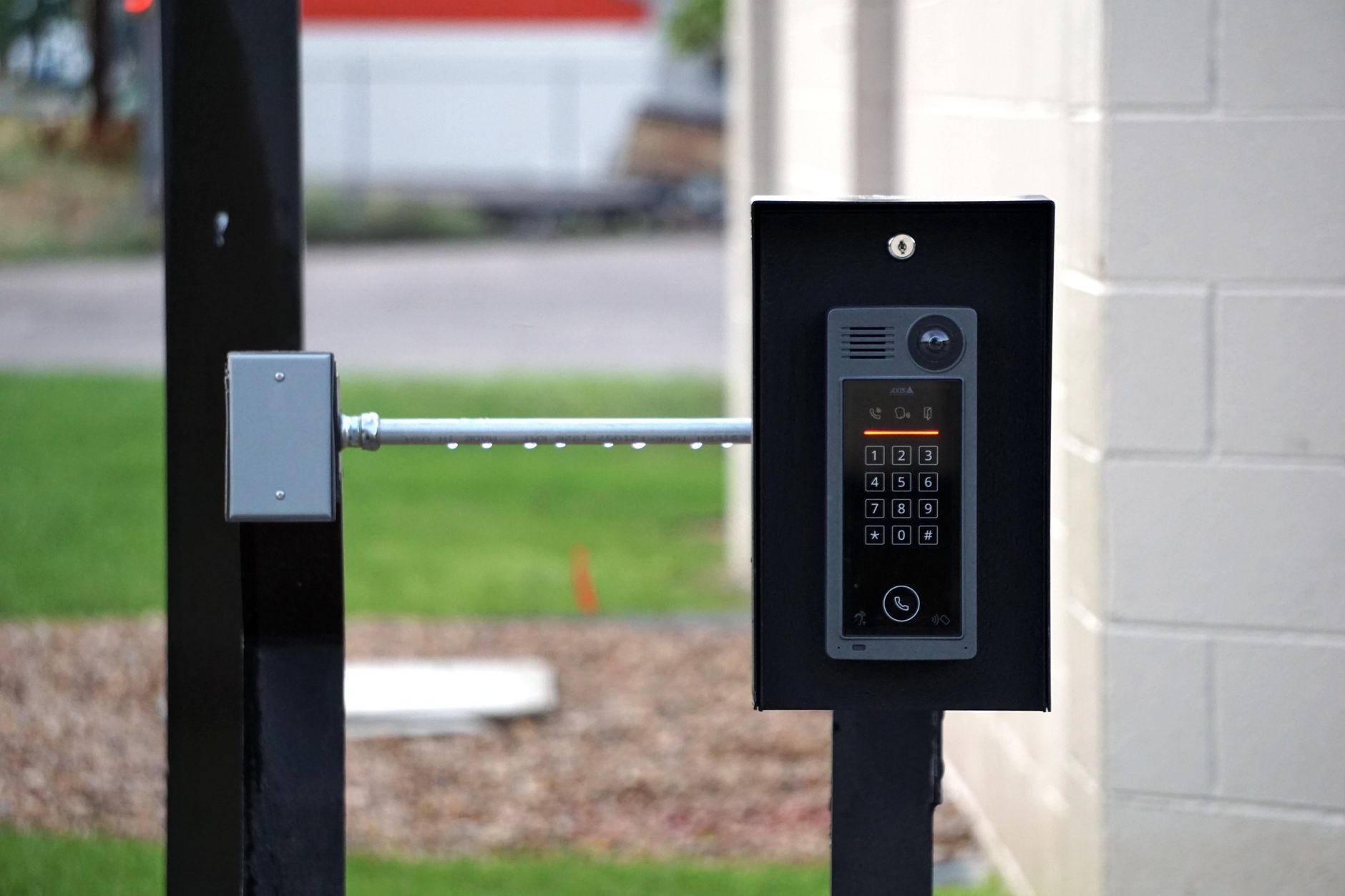
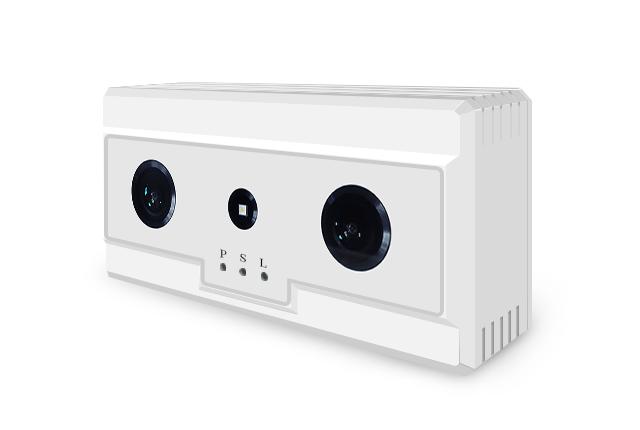
AI cameras use computer vision and deep learning to recognize faces, count the number of people entering/exiting in real time, and distinguish people from objects (dogs, carts, shadows). This solution is best suited for retail chains with 3 or more stores, mini-supermarkets, showrooms, and stores that need customer behavior analysis.
AI cameras like the HX-CCD23 series perform well even in low-light environments (below 5 lux), thanks to an integrated AI chip that processes frames in real time. According to a survey by Việt Đức Trí Group with 20 retail chains in Ho Chi Minh City, AI cameras reduce counting errors to below 3% compared to infrared sensors (error rate 12-18%). Initial investment cost ranges from 8-15 million VND per camera (excluding recorder and installation), suitable for stores with a budget of 50-100 million VND for an overall security system. AI cameras also easily integrate with POS software to compare visitor data with revenue by time slot, helping optimize staffing schedules and promotional programs.
What is an infrared sensor for access control and who is it suitable for?
Related Products


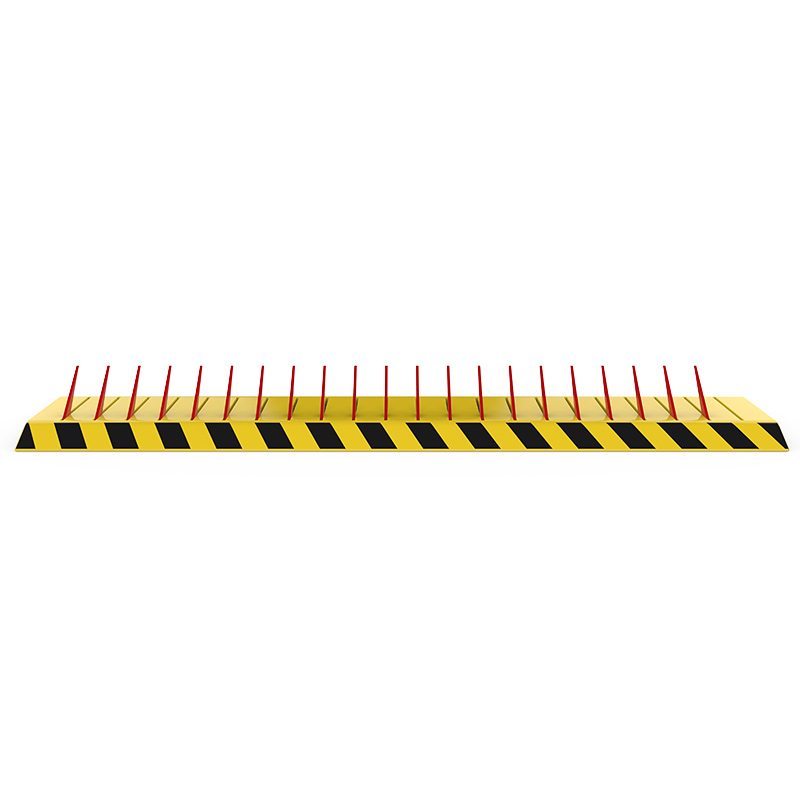
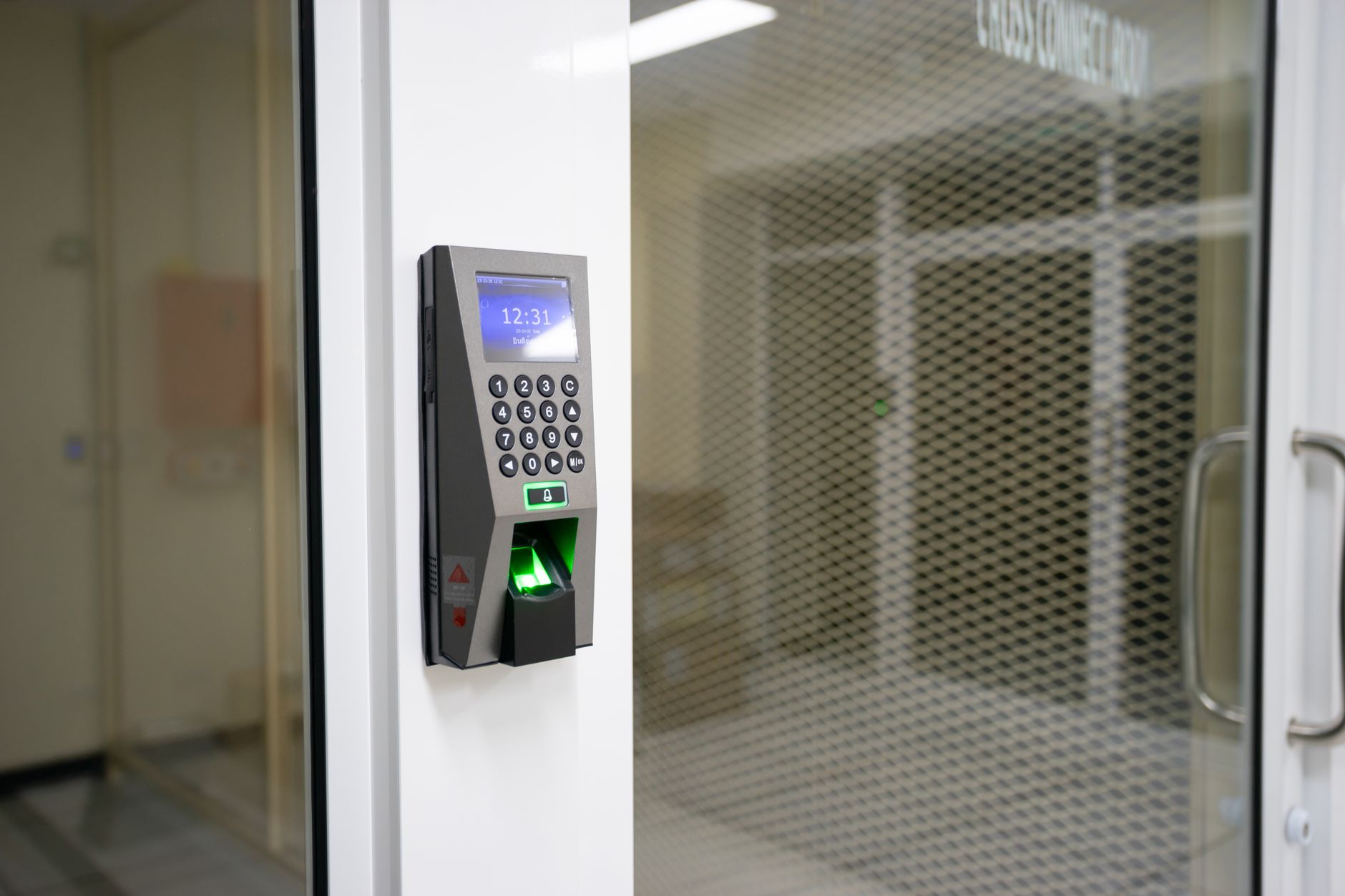
Infrared sensors (IR beam sensors) work by emitting an infrared beam across a passageway; when a person breaks the beam, it triggers a counter. This is the lowest-cost solution (2-5 million VND per set), suitable for single stores, grocery stores, and minimarts under 50m² with limited budgets.
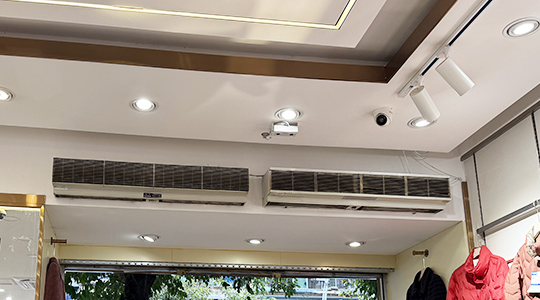
Infrared sensors like the IR People Counter FP-110 have the advantage of easy installation and no complex configuration required. However, the biggest limitation is the inability to distinguish people from objects — shopping carts, pets, or even strong wind shaking curtains can cause miscounts. In a real-world test at a 40m² convenience store in Binh Thanh district, the infrared sensor recorded an error rate of up to 22% during peak hours (5-7 PM) due to long customer queues. Maintenance costs are low (only battery replacement every 6 months), but the average lifespan is only 2-3 years if installed outdoors or near glass doors exposed to direct sunlight.
What is RFID for access control and who is it suitable for?
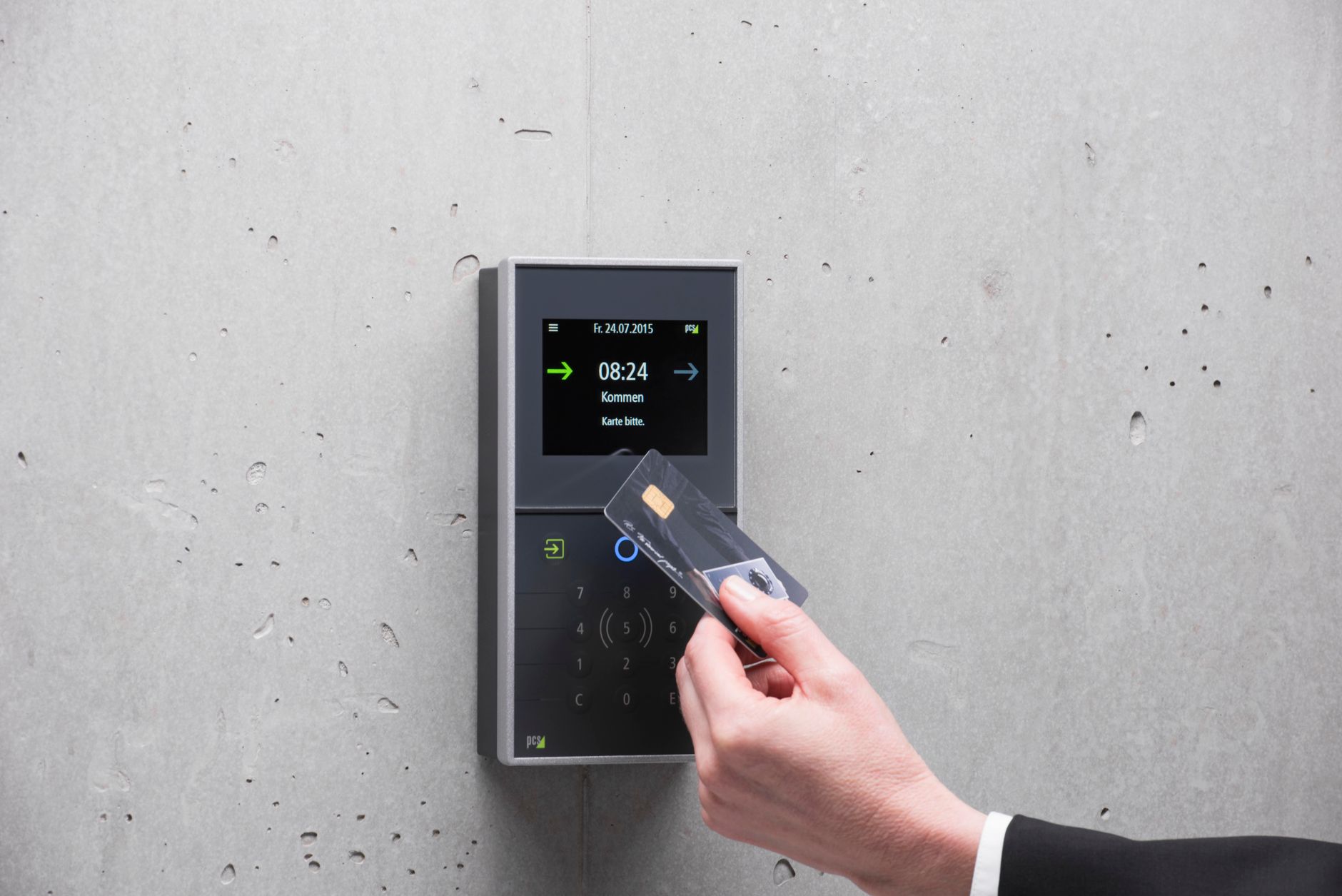
RFID (Radio Frequency Identification) controls access by attaching RFID chip tags to goods or employee cards; when passing through an antenna gate, it activates the reader to record. This solution is best suited for warehouses, electronics retail stores, cosmetics stores, and liquor stores — where high-value goods require tight control.
RFID gates like the Chainway UR4 can read 200-300 tags per second simultaneously within a 4-6 meter radius, enabling automatic access control without stopping. At the Lá Me fashion chain (Ho Chi Minh City), after deploying RFID gates combined with inventory management software, the shrinkage rate dropped from 4.5% to 0.8% within 6 months. The investment cost is the highest among the three solutions: 25-50 million VND for one RFID gate (including reader, antenna, chip tags), but ROI is typically achieved within 12 months if controlling high-value goods. The downside is the need to attach RFID tags to each product (initial labor-intensive) and the inability to accurately count the number of people entering/exiting without combining with other sensors.
Detailed comparison: AI Camera vs Infrared Sensor vs RFID

The table below compares 7 important criteria to help you make an accurate decision based on your store's actual needs.
| Criteria | AI Camera | Infrared Sensor | RFID |
|---|---|---|---|
| Accuracy (normal light) | 97-99% | 78-88% | 99% (when reading tags) |
| Accuracy (low light) | 95-97% (with IR LED) | 70-80% | Not light-dependent |
| Distinguish people/objects | Best (AI analyzes shape) | No | No (reads tags only) |
| Initial investment cost | 8-15 million VND/camera | Best (2-5 million VND/set) | 25-50 million VND/gate |
| Annual maintenance cost | 1-2 million VND | 0.5-1 million VND | 3-5 million VND (replace damaged tags) |
| POS integration | Best (open API) | Limited (requires middleware module) | Average (requires separate RFID software) |
| Scalability | Best (easy to add cameras) | Average (adding new sensors requires cabling) | Good (adding gates synchronized via network) |
| Expected ROI | 6-12 months (chains >3 stores) | 3-6 months (single store) | 8-14 months (high-value warehouse) |
Which access control device to choose based on use case?
Each store model has different needs. Below are 5 common use cases and the optimal solutions recommended based on real-world data.
Use case 1: Retail chain (>3 stores) needing customer behavior analysis
Recommendation: AI Camera. Reason: AI cameras provide real-time data on visitor count, dwell time in front of shelves, and conversion rate from visitors to buyers. The Tân Phát fashion chain (Hanoi) after installing AI cameras at 5 stores optimized staffing schedules, reduced overtime labor costs by 18%, and increased revenue by 12% by adjusting promotion timing to match peak customer hours.
Use case 2: Grocery store/minimart under 50m², budget under 10 million VND
Recommendation: Infrared sensor. Reason: Low cost, quick installation, sufficient to know basic visitor counts. Mr. Minh (minimart owner in Go Vap district) uses an IR FP-110 sensor combined with minimart POS to compare visitor count with end-of-day revenue. Despite a 15-20% error rate, with an investment of 3 million VND, he can still identify seasonal trends in customer traffic.
Use case 3: Warehouse or electronics/cosmetics store with high-value goods
Recommendation: RFID. Reason: Tight control of goods in/out, reducing shrinkage. The Đồi Cát phone store (Da Nang) deployed a Chainway UR4 RFID gate at the exit, combined with WMS integration, enabling immediate detection when employees take unpaid products outside. The shrinkage rate dropped from 3.2% to 0.5% in the first quarter.
Use case 4: Car/motorcycle showroom needing accurate visitor counting
Recommendation: AI 3D Camera combined with infrared sensor. Reason: AI camera accurately counts people entering the showroom, while infrared sensors at glass doors detect customers standing outside viewing vehicles. The Sài Gòn Xanh motorcycle showroom installed an HX-CCD21 AI camera on the ceiling and IR sensors at display stands, obtaining data: on average, 40% of visitors stop for more than 10 seconds in front of new models, helping the sales team proactively approach at the right moment.
Use case 5: Restaurant/cafe needing access control and table management
Recommendation: AI Camera. Reason: AI cameras count customers entering, combined with POS to automatically update table status. The Hương Xưa restaurant (Hanoi) installed AI cameras at the entrance, integrated with the restaurant management system, helping the hostess know the exact number of customers waiting and estimated wait time. Result: reduced customer wait time by 25%, increased table turnover rate by 15%.
Cần tư vấn thiết bị/giải pháp cụ thể?
Việt POS phản hồi trong 30 phút · Hotline 4 vùng · Khảo sát miễn phí.
Bài viết cùng chủ đề