
Mục lục bài viết (8)
- Challenges Facing the Fashion and Apparel Industry
- How RFID Solutions Work in Fashion and Apparel
- Specific Benefits of RFID Implementation in Fashion and Apparel
- RFID Applications in Fashion Retail Store Networks
- RFID Applications in Apparel Manufacturing and WIP Management
- RFID Applications in Fashion Distribution Warehouses
- RFID vs. Traditional Barcodes in Fashion Retail
- Frequently Asked Questions About RFID in Fashion and Apparel
According to McKinsey's 2025 report, the global fashion industry loses 3-5% annual revenue due to inventory discrepancies and product loss — equivalent to 120-180 billion USD. In Vietnam, average inventory discrepancy rates at mid-sized and small fashion retail chains range from 25-35%, with manual counting taking 3-5 days per store. UHF RFID (Ultra-High Frequency) technology raises counting accuracy to 99%, reduces time to 15-30 minutes, and enables real-time inventory management from factory to point of sale.
Challenges Facing the Fashion and Apparel Industry

- ⚠️ Inventory discrepancies of 25-35%: Manual barcode or paper-based counting leads to significant errors, especially with items having multiple sizes/colors — a 500-SKU store may take 2-3 days to manually count with only 70-80% accuracy.
- ⚠️ Uncontrolled product loss (shrinkage): Loss rates in Vietnam's fashion industry are estimated at 1.5-3% of revenue, primarily from warehouse process errors, internal theft, and lack of real-time data.
- ⚠️ Lack of real-time data for business decisions: Store owners cannot determine which sizes/colors are overstocked, which products are bestsellers that week — resulting in incorrect ordering and mistimed markdowns.
- ⚠️ Manual inbound-outbound-warehouse processes are slow and labor-intensive: Receiving 1,000 products takes 3-4 hours with staff scanning each barcode individually; shipping to 20 stores takes 1-2 days of preparation.
- ⚠️ Weak counterfeit protection and product traceability: Vietnam's fashion industry loses 2-3% of revenue to counterfeits and knockoffs; customers increasingly demand transparency on product origin.
How RFID Solutions Work in Fashion and Apparel

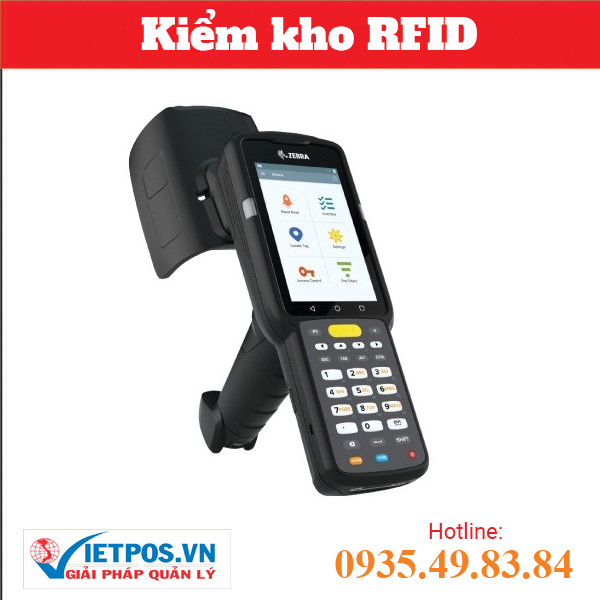

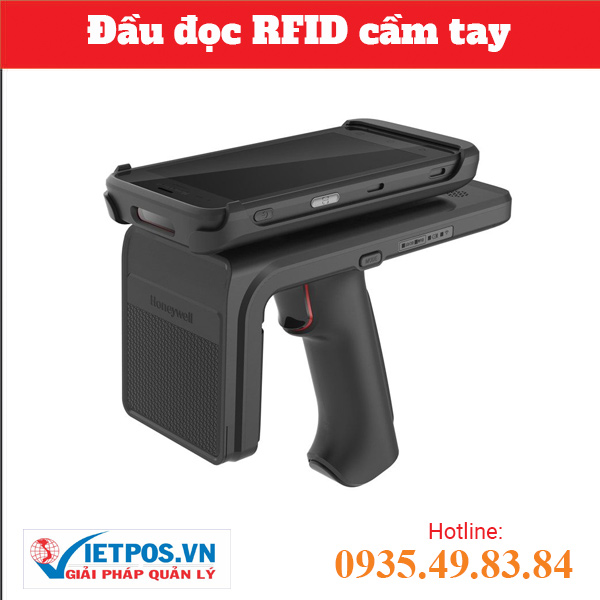
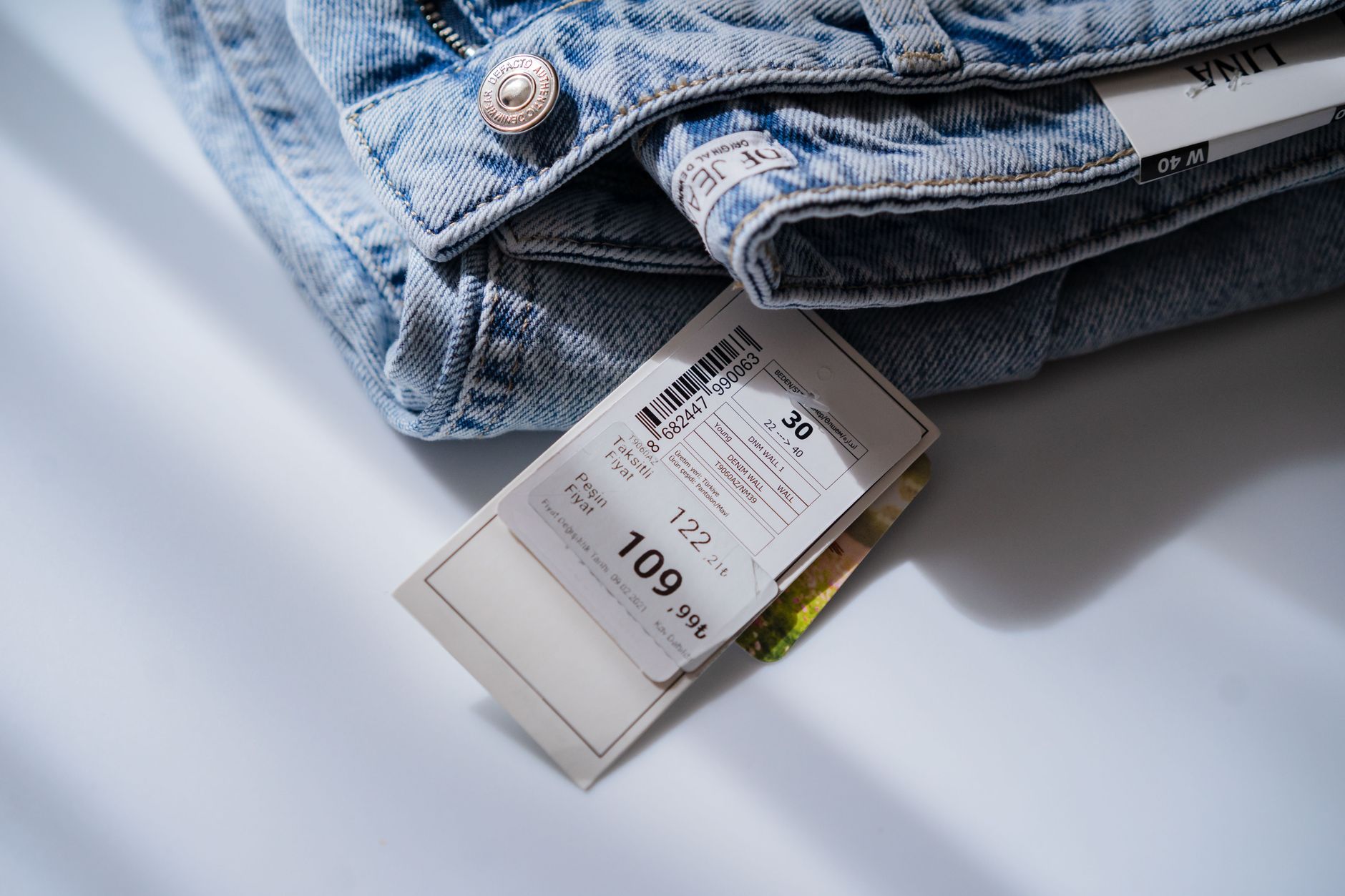
- 🔖 Attach RFID tags to each product: Each apparel item receives a UHF RFID tag (fabric label, paper label, or plastic tag) containing a unique EPC code — can store information such as item code, size, color, manufacturing date. Tag attachment speed reaches 1,000-1,500 products/hour with automated tag dispensers.
- 📡 Read tags in bulk using RFID readers: Use fixed readers at warehouse entrance/exit or handheld PDAs (such as Chainway C66) to read 200-500 tags/second — no need to scan each barcode individually.
- ☁️ Sync data to management software: Reader data transmits in real-time to ERP/POS systems via WiFi/4G, updating inventory instantly across all stores and warehouses.
- 📊 Smart reporting and alerts: System automatically generates hourly/daily/weekly inventory reports, alerts when stock runs low, identifies overstock items, or detects anomalies (loss exceeding 1% of revenue).
- 🔄 Quick periodic inventory counts: Staff simply walk store shelves with an RFID PDA in 15-30 minutes to inventory an entire store of 500-1,000 SKUs — instead of 2-3 days previously.
Specific Benefits of RFID Implementation in Fashion and Apparel
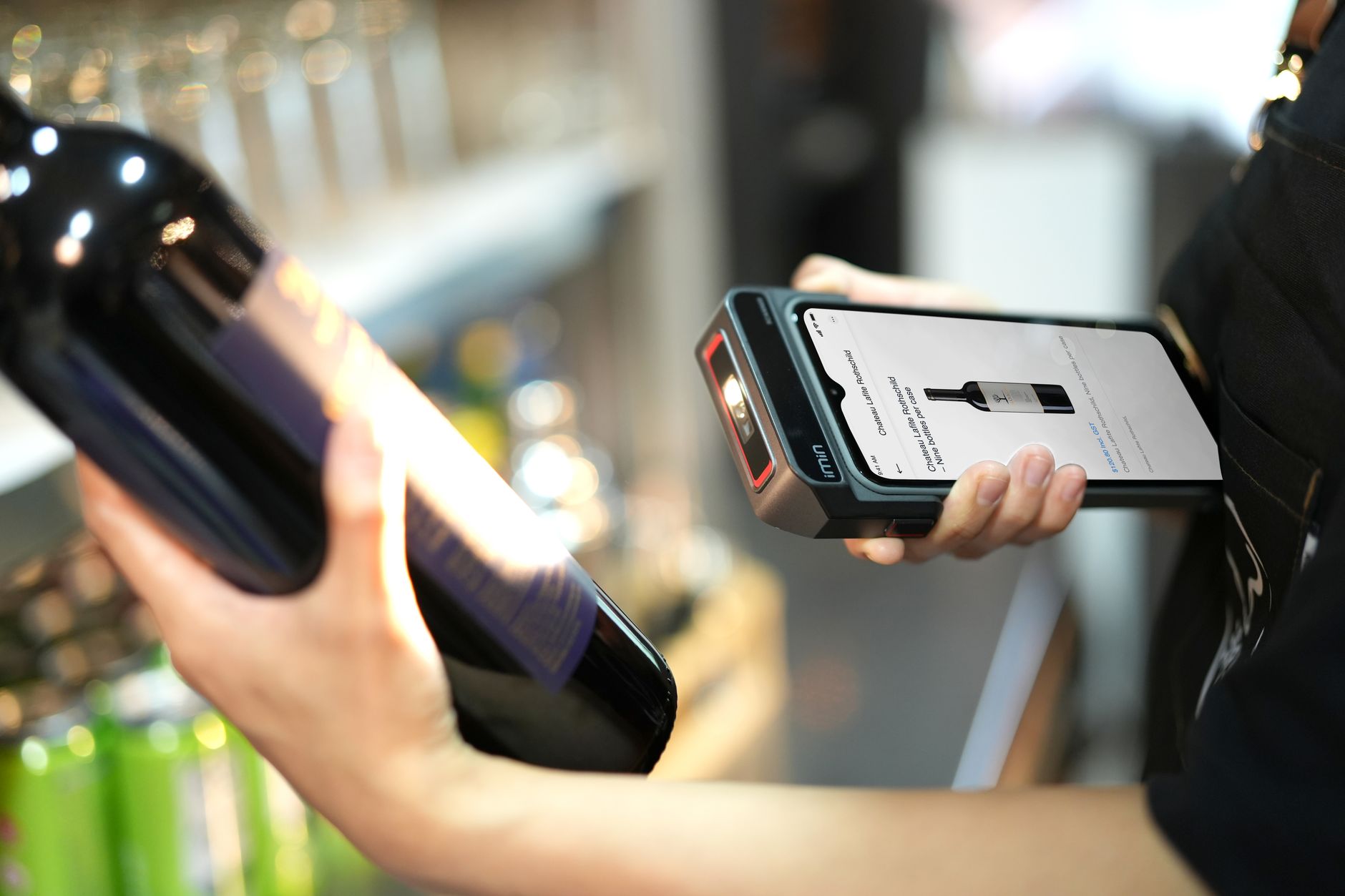
99% Inventory Accuracy
Increases from 70-80% (manual) to 99% through automated bulk reading, reducing size/color discrepancies below 0.5%.
Bạn đang tìm sản phẩm cho chủ đề này?
Việt POS phân phối chính hãng — bảo hành 24-36 tháng, hỗ trợ kỹ thuật 24/7.
Inventory in 15-30 Minutes
Instead of 3-5 days for a 500-SKU store, RFID enables counting in 15-30 minutes — saving 90-95% of time.
Reduce Loss by 40-60%
Detects abnormal product movement through RFID gates; real-time alerts reduce loss from 1.5-3% down to 0.5-1% of revenue.
Real-Time Data for Decision Making
Know exactly which products are selling, which sizes are overstocked — optimize ordering and markdowns, increase revenue 5-10%.
Automate Inbound-Outbound Warehouse
Receiving 1,000 products takes only 10-15 minutes through RFID gates; shipping to 20 stores takes 30-45 minutes.
Counterfeit Protection & Traceability
Each RFID tag contains a unique identifier that cannot be forged; customers scan NFC to verify product origin.
RFID Applications in Fashion Retail Store Networks
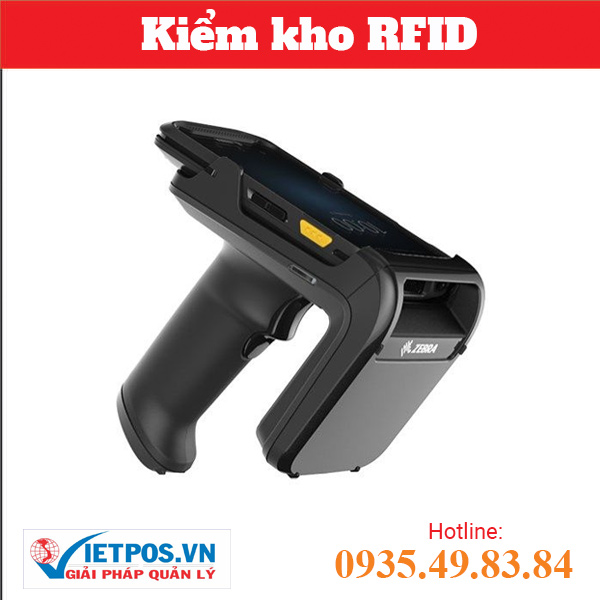
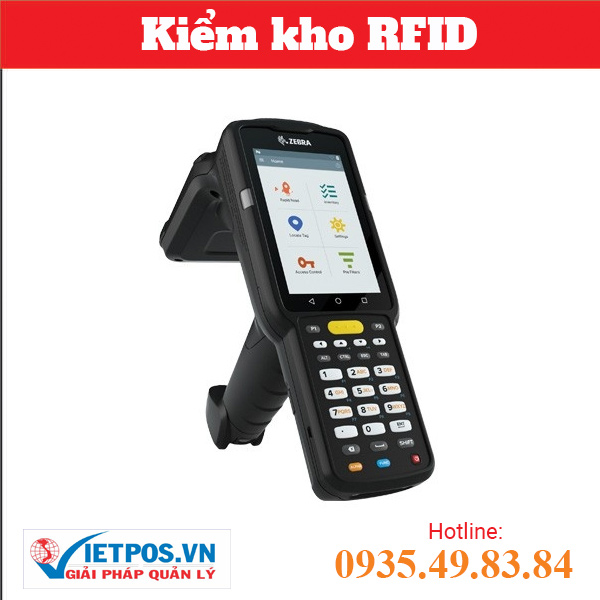
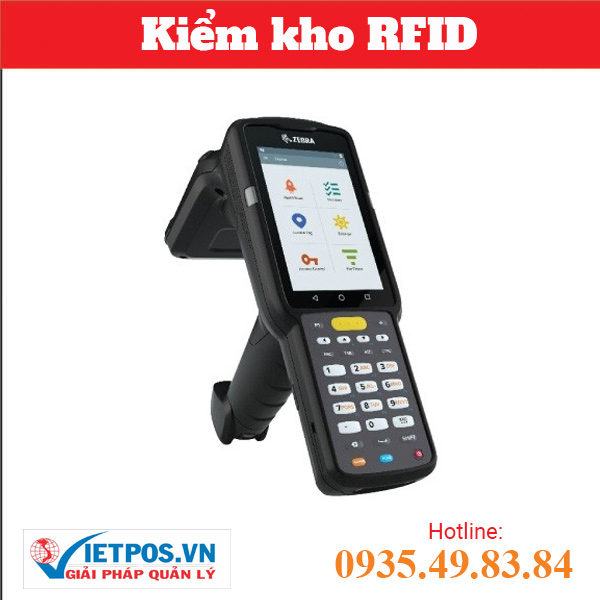
For fashion retail networks with 5-50 store locations, RFID is deployed in two layers: (1) RFID gates at warehouse entrance — automatically record inbound/outbound shipments and detect anomalous product movement; (2) Handheld PDAs such as Chainway C66 or Zebra MC3390R for periodic inventory and product searches. A 10-store chain with 5,000 SKUs per location can save 300-500 labor hours monthly compared to manual counting. Fixed readers like Chainway UR4 installed at warehouse entrance provide real-time inbound/outbound control, reducing loss by 40-60%.
RFID Applications in Apparel Manufacturing and WIP Management
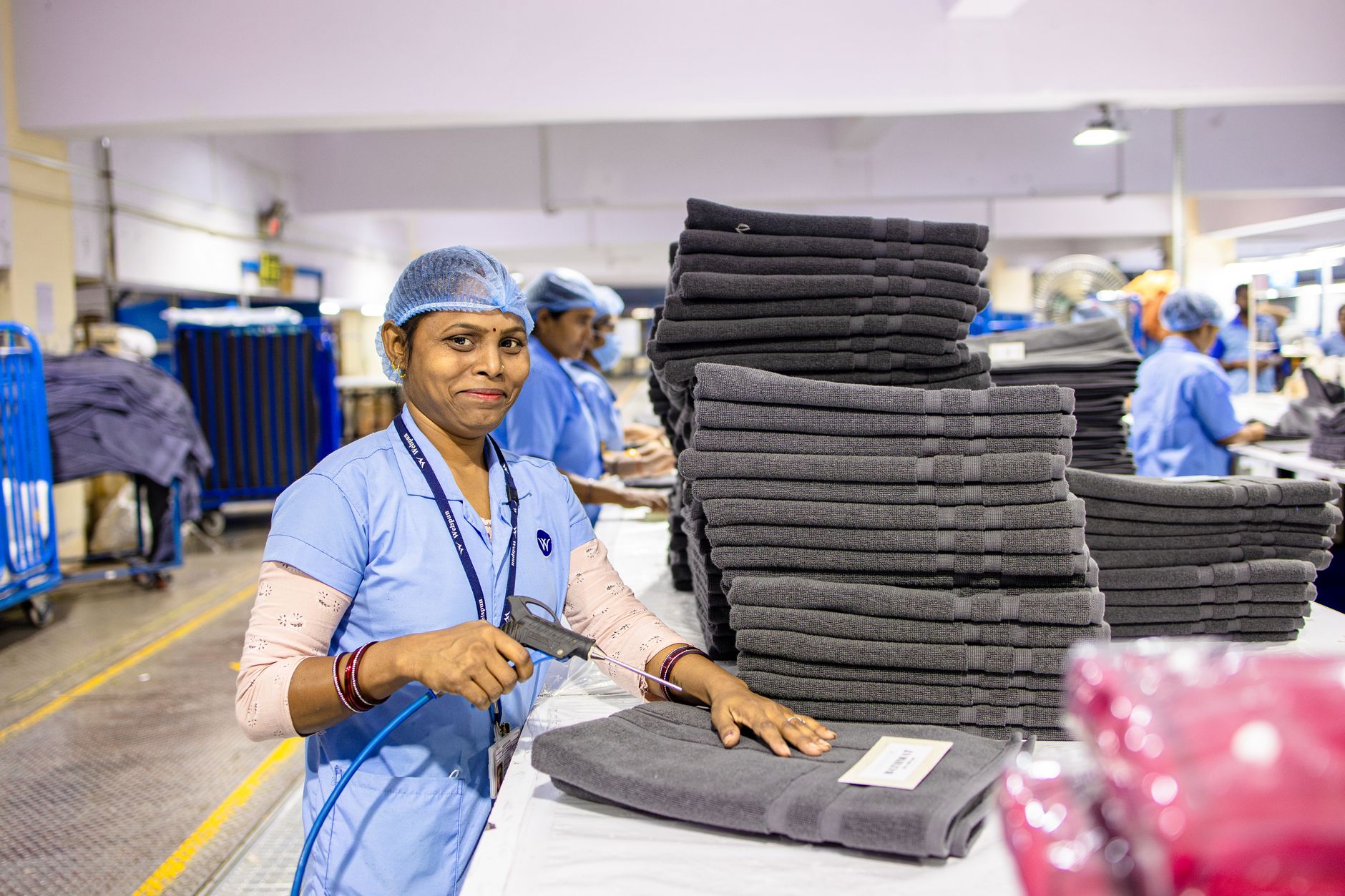
In apparel manufacturing, RFID tags are attached to raw material lots and semi-finished products. Fixed readers at cutting, sewing, and finishing stations track WIP (Work In Progress) in real-time — precisely identifying which lot is at which production stage and defect rates per station. A 500-employee factory can reduce 20-30% of idle time between production stages through product flow visibility. Multi-channel fixed readers like Chainway UR8 (8 channels) provide full-factory coverage, reading 1,000-2,000 tags/minute simultaneously — suitable for high-speed manufacturing environments.
RFID Applications in Fashion Distribution Warehouses
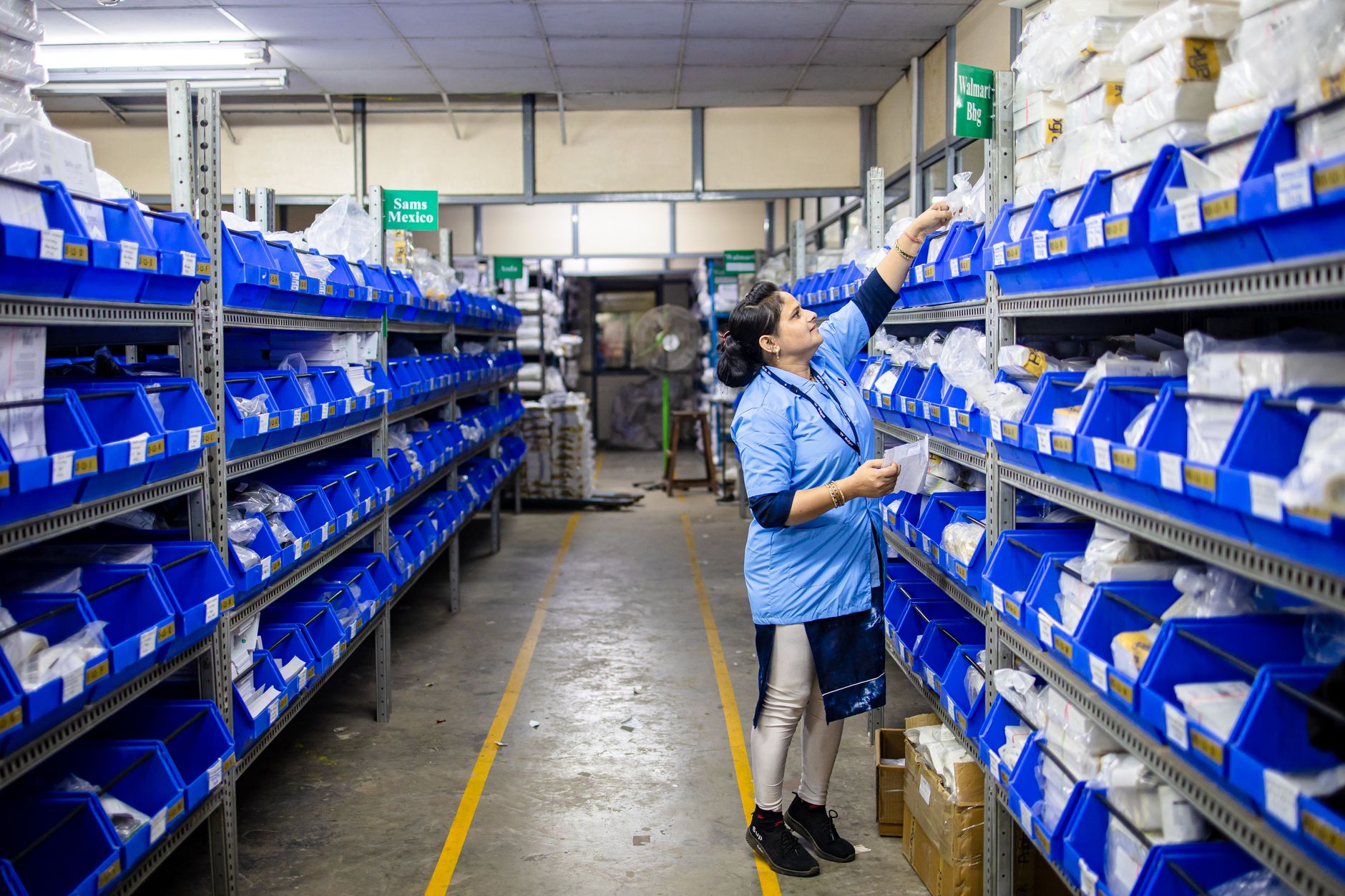
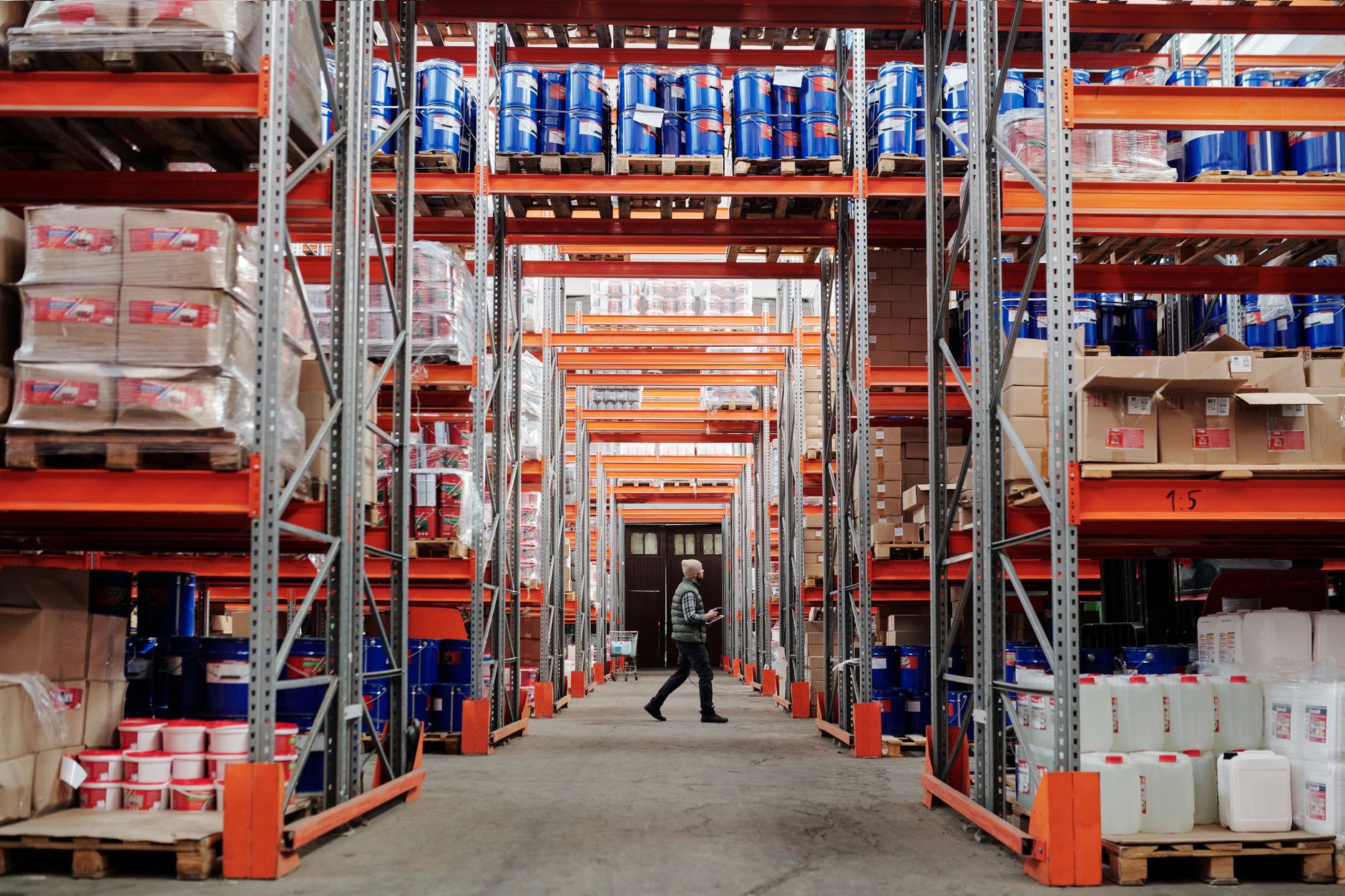
Fashion distribution warehouses typically hold 50,000-200,000 SKUs with many size/color variants. RFID enables full warehouse inventory in 1-2 hours instead of 3-5 days. Conveyor systems with integrated fixed readers automatically sort products by shipment order — achieving 3,000-5,000 products/hour with 99.9% accuracy. Devices like Chainway C90A or Zebra TC58 help warehouse staff execute picking and putaway with real-time guidance from WMS systems integrated with RFID.
RFID vs. Traditional Barcodes in Fashion Retail
| Criteria | RFID UHF | Barcode |
|---|---|---|
| Inventory time for 500 SKU | 15-30 minutes | 2-3 days |
| Accuracy | 99% | 70-80% |
| Read speed | 200-500 tags/second | 1-2 scans/second |
| Bulk reading | Yes (no individual scanning) | No (must scan individually) |
| Data write/modify capability | Yes (rewritable EPC) | No (fixed print) |
| Counterfeit resistance | High (unique identifier) | Low (easily copied) |
| Tag/label cost | 1,000-3,000 VND/tag | 200-500 VND/label |
| Tag lifespan | 5-10 years (washable tags) | 1-2 years (fades easily) |
Frequently Asked Questions About RFID in Fashion and Apparel
What is the deployment cost for RFID in a 100m² fashion store?
Basic setup for a 100m² store includes: 1 fixed warehouse entrance reader (15-25 million VND), 2 handheld PDAs (10-15 million/unit), 1,000-3,000 RFID tags (1,000-3,000 VND/tag), integrated software (5-10 million/month). Total initial investment: 40-70 million VND for a small store. For a 10-store chain, per-location cost drops 15-20% through bulk equipment and tag purchases.
Do RFID tags affect fabric quality or washing processes?
Specialized apparel RFID tags (washable tags) withstand 100-200 industrial wash cycles at 60-90°C without fading or fabric damage. Thin woven label tags (0.3-0.5mm) can be sewn into seams or heat-applied. However, paper RFID tags (used for retail) cannot withstand washing — must be removed before washing or replaced with specialized washable tags.
Is RFID integration difficult with existing POS/ERP software?
Most RFID systems support RESTful/JSON APIs for integration with standard POS/ERP platforms. Average integration time is 1-3 days per store if the software has an RFID module. Legacy systems without APIs require middleware (additional cost 5-10 million) for data conversion.
What warranty and replacement timeframe does RFID equipment have?
RFID devices (fixed readers, PDAs) from brands like Chainway, Zebra, Honeywell include 12-24 month manufacturer warranties. Việt POS provides 12-month warranty on PDAs and fixed readers, 6 months on RFID tags (manufacturing defects). Equipment replacement takes 2-3 business days in Hanoi and Ho Chi Minh City. Replacement units are available from warehouse stock.
Compare RFID UHF vs. NFC in fashion retail — which should we choose?
RFID UHF (860-960 MHz) suits warehouse inventory and supply chain management with 3-10m read range and bulk reading of 500 tags/second. NFC (13.56 MHz) reads individual tags only at 4-10cm distance, typically used for customer interaction (scan phone to view product info). Fashion businesses should deploy both: UHF RFID tags for operations, integrated NFC for customer experience. Combined RFID+NFC tags cost 30-50% more than RFID-only tags.
What is the payback period (ROI) for RFID deployment in a fashion chain?
For 5-10 store chains, ROI typically achieves within 8-14 months through: loss reduction of 40-60% (saving 50-150 million/year), 200-400 monthly inventory hours saved, revenue increase of 5-10% from optimized stock. For chains exceeding 20 stores, ROI achieves within 6-9 months.
Can we deploy RFID in phases? What is the roadmap?
Yes. Common 3-phase roadmap: Phase 1 (1-2 months) — deploy handheld PDAs for inventory pilot at 1-2 stores; Phase 2 (3-6 months) — install RFID gates at central warehouse and 5-10 stores; Phase 3 (6-12 months) — expand across full chain, add counterfeit protection and traceability features.
Cần tư vấn thiết bị/giải pháp cụ thể?
Việt POS phản hồi trong 30 phút · Hotline 4 vùng · Khảo sát miễn phí.
Bài viết cùng chủ đề