Mục lục bài viết (5)
RFID (Radio Frequency Identification) is a technology that uses radio waves to identify and read data from tags remotely without direct contact. In retail, RFID is gradually replacing traditional barcodes thanks to its ability to read 200-500 tags per second simultaneously and inventory accuracy of up to 99%. In Vietnam, RFID deployment costs have decreased by 40-50% compared to 2020, making it accessible for mini supermarket chains and small-to-medium fashion stores.
What is RFID in retail and how is it different from barcode?
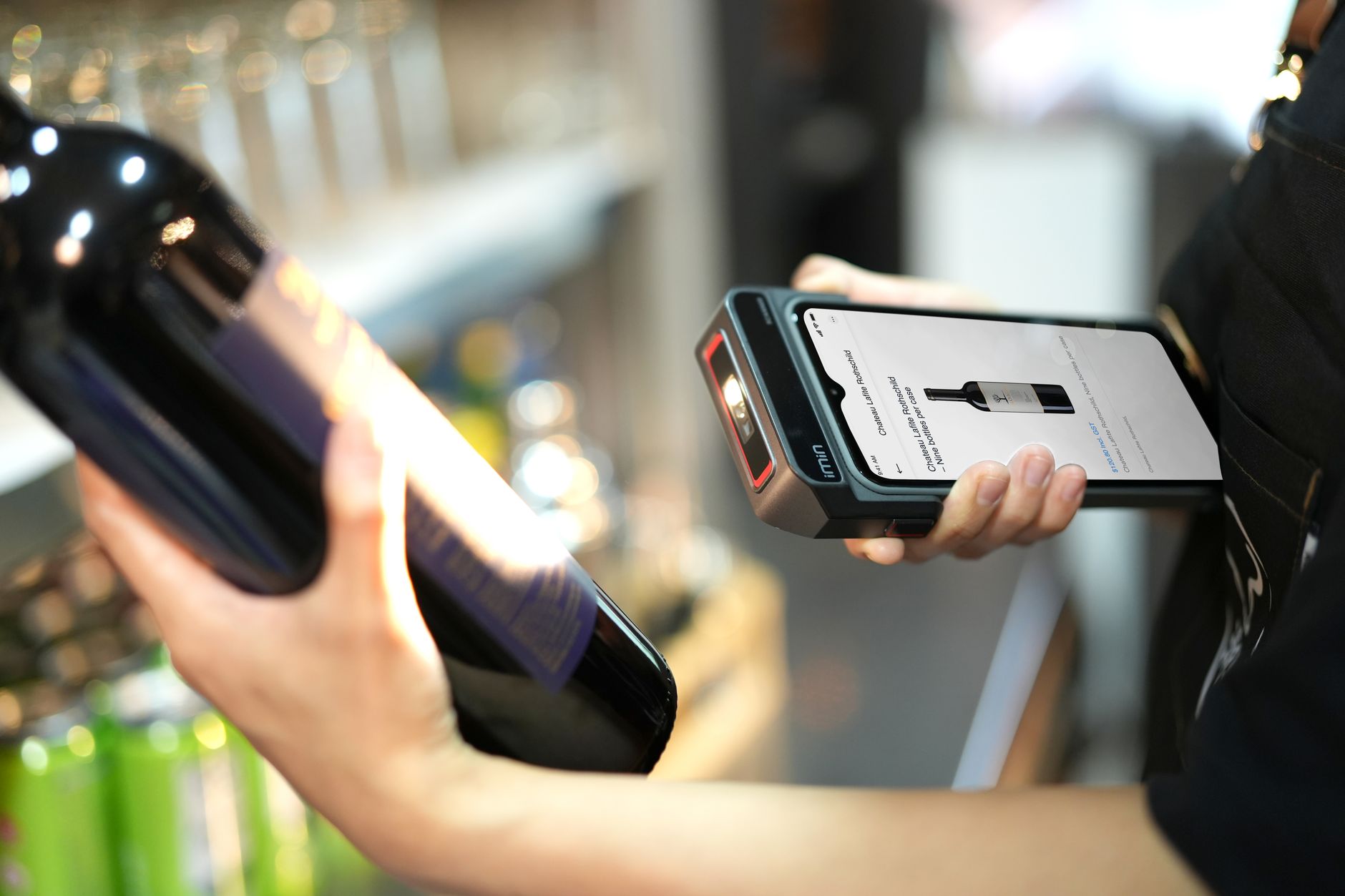
RFID in retail is a system consisting of tags attached to products, readers, and management software, enabling automatic real-time identification and tracking of goods. Unlike barcodes which require scanning each product individually, RFID reads an entire case of goods in 1-3 seconds.
| Criteria | Barcode | RFID |
|---|---|---|
| Read speed | 1 product/scan | 200-500 tags/second |
| Read range | 0-30 cm | 0-12 m (UHF) |
| Line-of-sight requirement | Direct line required | Not required, reads through boxes |
| Data writing | Read only | Read and write |
| Tag cost | 50-200 VND | 800-3,000 VND |
| Inventory accuracy | 70-85% | 95-99% |
10 retail management problems that RFID solves

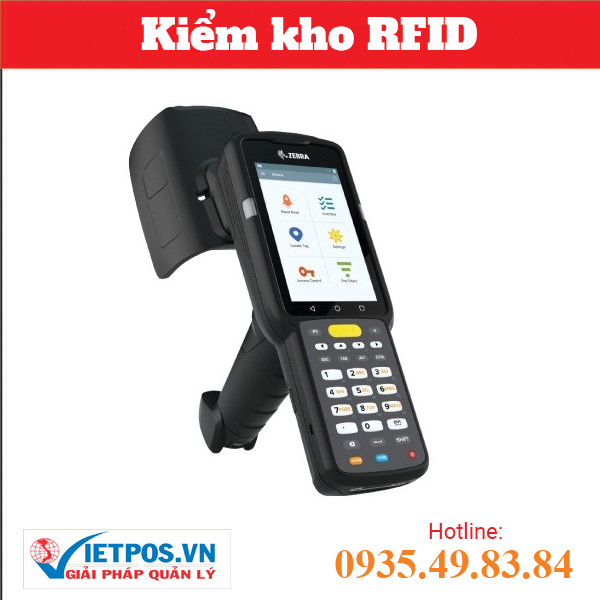
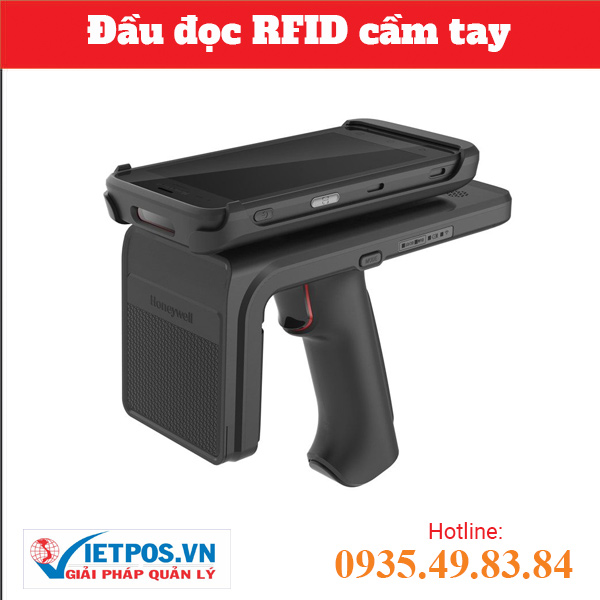
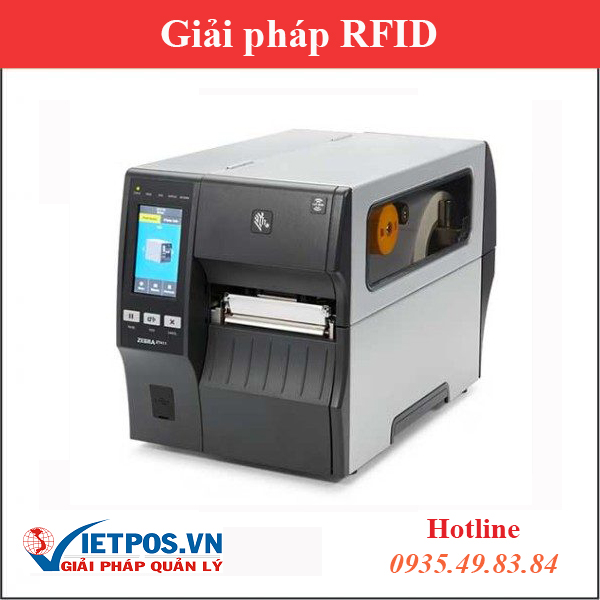

RFID applications in retail go beyond just inventory counting. Below are 10 real-world problems that Vietnamese supermarket chain owners and fashion store owners are facing, along with how RFID solves each issue.
Bạn đang tìm sản phẩm cho chủ đề này?
Việt POS phân phối chính hãng — bảo hành 24-36 tháng, hỗ trợ kỹ thuật 24/7.
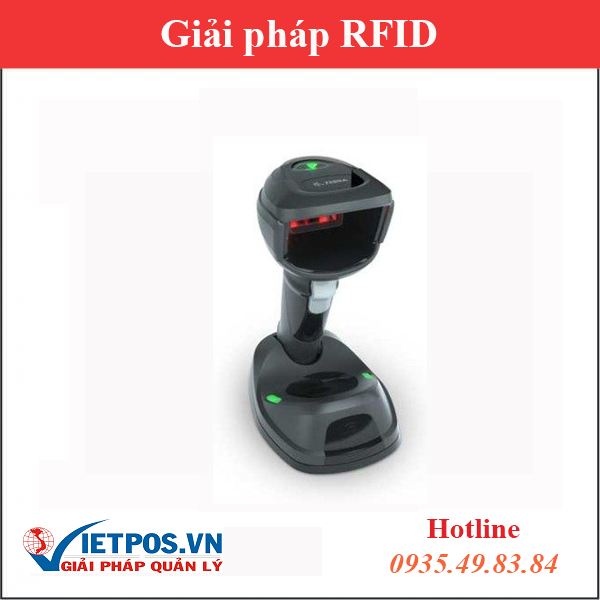
DS9900 handheld RFID reader for retail
SKU: DS9900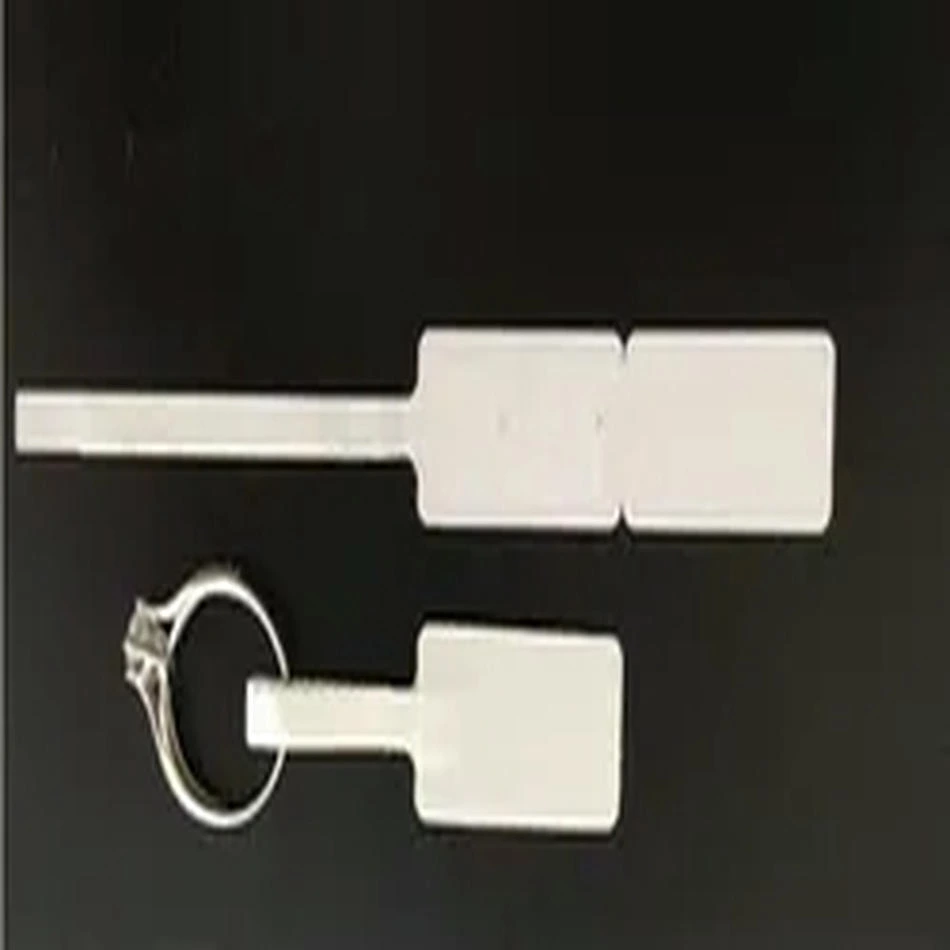
XRI12 UHF RFID Jewelry Tag - Retail Inventory Management Label
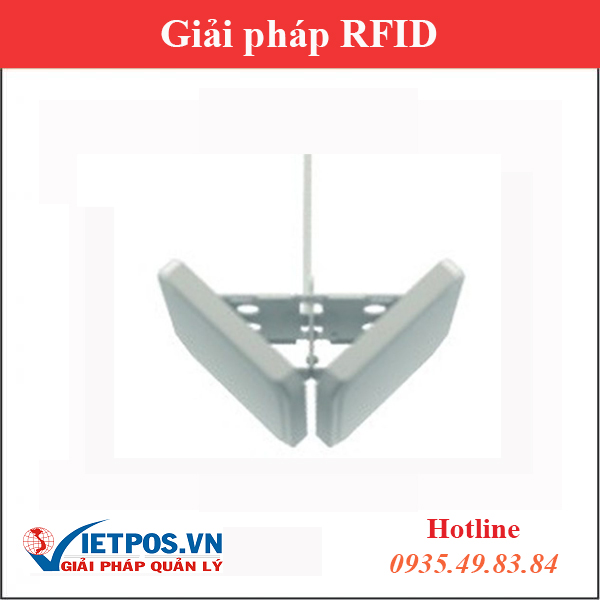
Zebra SR5502 RFID Antenna for Backroom and Warehouse
SKU: SR5502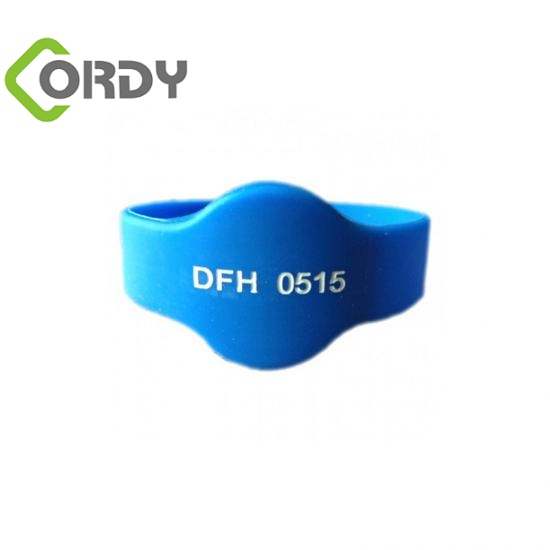
UHF ISO18000-6C RFID Long Range Bracelet / Wristband RFID
1. Inventory taking takes 8-12 hours per month
With barcodes, a 500m² supermarket requires 2-3 employees working 8-10 hours to count all inventory. RFID reduces this to 30-45 minutes with one employee walking through the aisles, with a handheld reader automatically collecting data. A chain of 5 stores saves 80-120 labor hours/month.
2. Inventory shrinkage of 2-5% of revenue
According to industry reports, the average shrinkage rate in Vietnamese retail is 2-3.5%. RFID gates at exits can immediately detect unpaid items, reducing shrinkage by 50-70%. For a chain with 50 billion VND annual revenue, the savings amount to 500 million - 1.2 billion VND.
3. Complex fashion size and color management
A fashion store has 200-500 SKUs with 5-10 size-color variants per SKU. Employees take 15-25 minutes to find a specific product in the back room. RFID allows precise product location by shelf coordinates, reducing search time to under 30 seconds.
4. Expired goods not detected in time
Food supermarkets lose 3-7% due to expired items. RFID tags can store production and expiration dates. The software automatically alerts when items are near expiration (30-60 days), enabling timely discount or return planning.
5. Errors during supplier receiving
Checking 50-100 incoming cartons with barcodes takes 60-90 minutes, with an error rate of 3-8%. Scanning an entire pallet with RFID takes 5-10 seconds, automatically reconciling with purchase orders and detecting shortages/excesses immediately at the receiving dock.
6. Phantom inventory and dead stock not addressed
Many stores have 10-15% of SKUs sitting for over 6 months. RFID provides real-time data on inventory age, helping managers make liquidation or return decisions 1-2 months earlier, freeing up cash flow.
7. Poor customer experience due to out-of-stock on shelves
Surveys show 30-40% of customers leave a supermarket when they cannot find the product they want. An RFID system combined with smart shelf sensors detects empty shelves within 1-2 minutes and sends notifications to staff for restocking.
8. Checkout congestion during peak hours
Each transaction at a supermarket takes 2-4 minutes with barcodes. Stores using RFID can deploy smart checkout counters with an automatic system that scans the entire shopping cart in 5-10 seconds, reducing wait times by 60-70%.
9. Fixed asset management in the store
Equipment such as POS terminals, refrigerators, and receipt printers are often lost or damaged without being reported. Attaching RFID tags to 50-100 assets allows periodic inventory with a handheld reader in 5-10 minutes, immediately detecting missing equipment.
10. Non-real-time sales data, slow decision-making
Most Vietnamese retail chains only have end-of-day or end-of-week inventory reports. RFID integrated with multi-branch POS software provides real-time data, enabling business owners to adjust orders and pricing within 15-30 minutes.
RFID deployment costs for Vietnamese retail in 2026
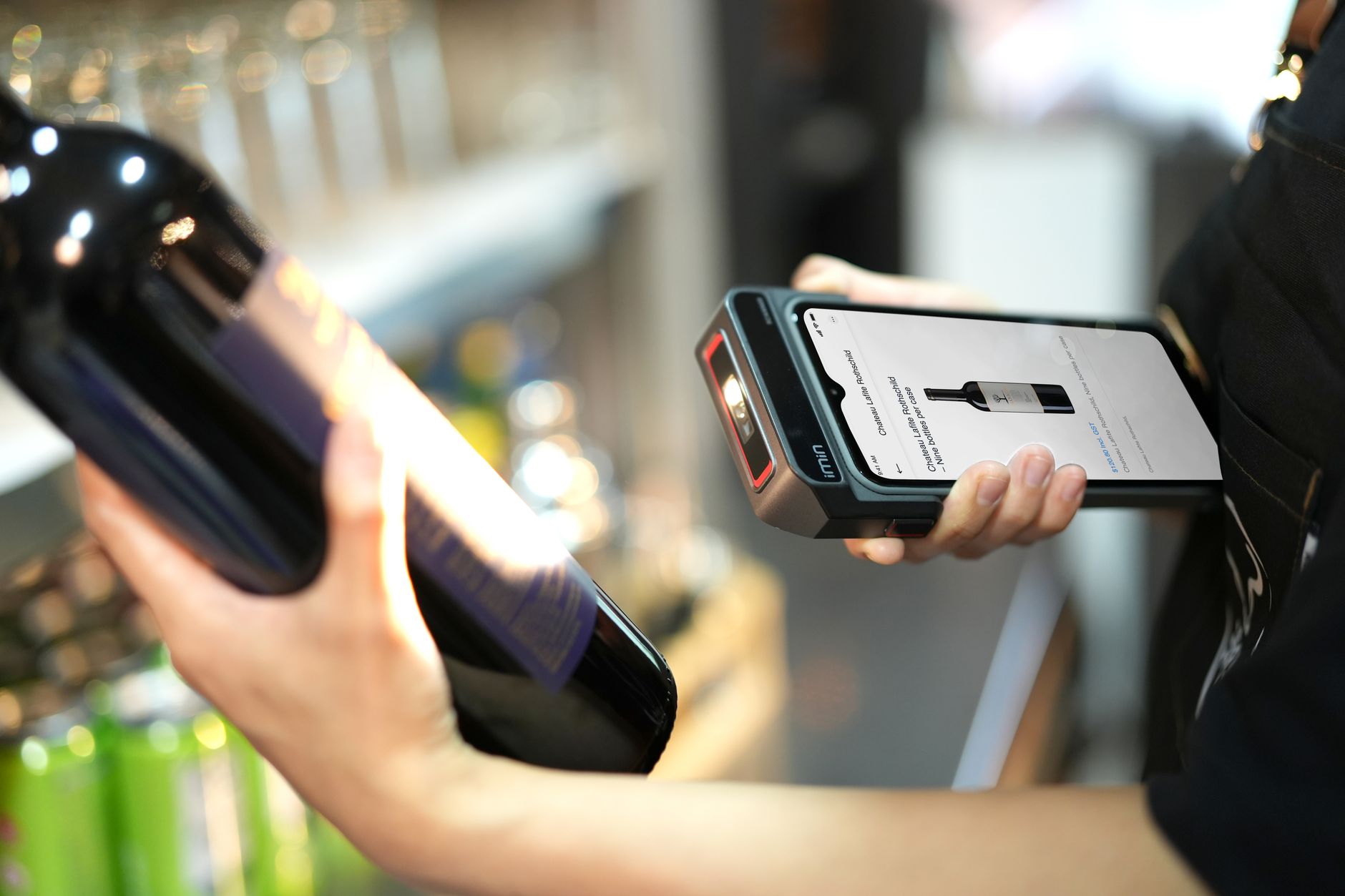
RFID costs depend on scale: a 200-500m² store requires an investment of 40-80 million VND for hardware (readers, antennas, tags), with a payback period of 6-12 months thanks to reduced shrinkage and labor savings.
Reference cost table for three common models:
| Item | Small store (100-300m²) | Mini supermarket (300-800m²) | Chain of 3-5 stores |
|---|---|---|---|
| Fixed RFID reader (gate) | 1 gate: 12-18 million VND | 2-3 gates: 25-50 million VND | 5-10 gates: 60-150 million VND |
| Handheld RFID reader | 1 unit: 8-15 million VND | 2 units: 16-30 million VND | 5 units: 40-75 million VND |
| RFID tags (UHF) | 1,000-3,000 tags: 2-8 million VND | 5,000-10,000 tags: 10-25 million VND | 20,000-50,000 tags: 40-120 million VND |
| Management software | 10-20 million VND | 20-40 million VND | 50-100 million VND |
| Total investment | 32-61 million VND | 71-145 million VND | 190-445 million VND |
| Payback period | 6-9 months | 8-12 months | 10-14 months |
RFID deployment roadmap for Vietnamese retail chains
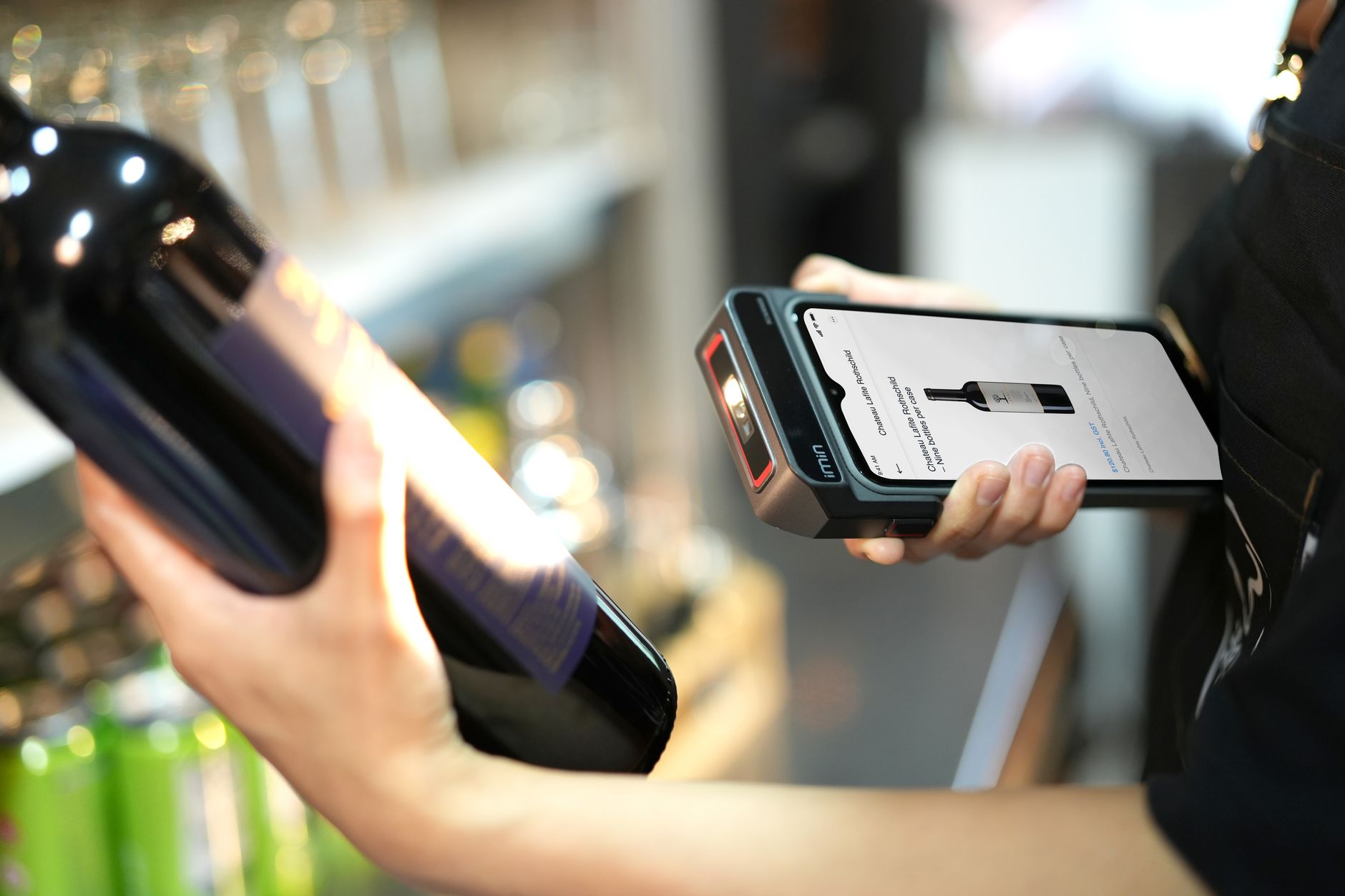
RFID deployment requires 4 steps: survey current status and select appropriate tags, install hardware (gates, readers, antennas), integrate POS software and train staff, and run a 2-4 week pilot before full operation.
- Step 1 - Survey and design (1-2 weeks): Measure warehouse and store areas; determine RFID gate installation locations; select suitable tag types (waterproof tags for food, hard tags for fashion).
- Step 2 - Hardware installation (1-2 weeks): Install RFID gates at entrances/exits and receiving areas; deploy Chainway UR4 fixed readers or Chainway C66 handheld readers for mobile inventory.
- Step 3 - Software integration (2-4 weeks): Connect RFID data to the existing POS software; configure alert rules for inventory, expiration dates, and theft detection.
- Step 4 - Training and pilot run (1-2 weeks): Train 5-10 employees on inventory procedures and alert handling; run parallel with the old system for 2-4 weeks to cross-check data.
Frequently asked questions about RFID applications in retail
Will RFID completely replace barcodes in supermarkets?
What is the RFID investment cost for a 200m² store?
Can RFID integrate with existing POS software?
Do RFID tags affect electronic products or food?
How to calculate ROI when deploying RFID for a store chain?
Does RFID work well in cold storage or humid environments?
How many employees are needed to operate an RFID system?
Reputable RFID equipment supplier in Vietnam?
Cần tư vấn thiết bị/giải pháp cụ thể?
Việt POS phản hồi trong 30 phút · Hotline 4 vùng · Khảo sát miễn phí.
Bài viết cùng chủ đề