Mục lục bài viết (6)
Long checkout lines during peak hours, staff shortages, pricing errors from misscanned barcodes — these are chronic problems for retail chains. Two solutions are emerging: Vision AI checkout (camera-based AI product recognition) and traditional barcode scanning. This article compares Vision AI versus barcode scanning — you'll find the right solution for your business after reading.
What is Vision AI Checkout? Who Should Use It?
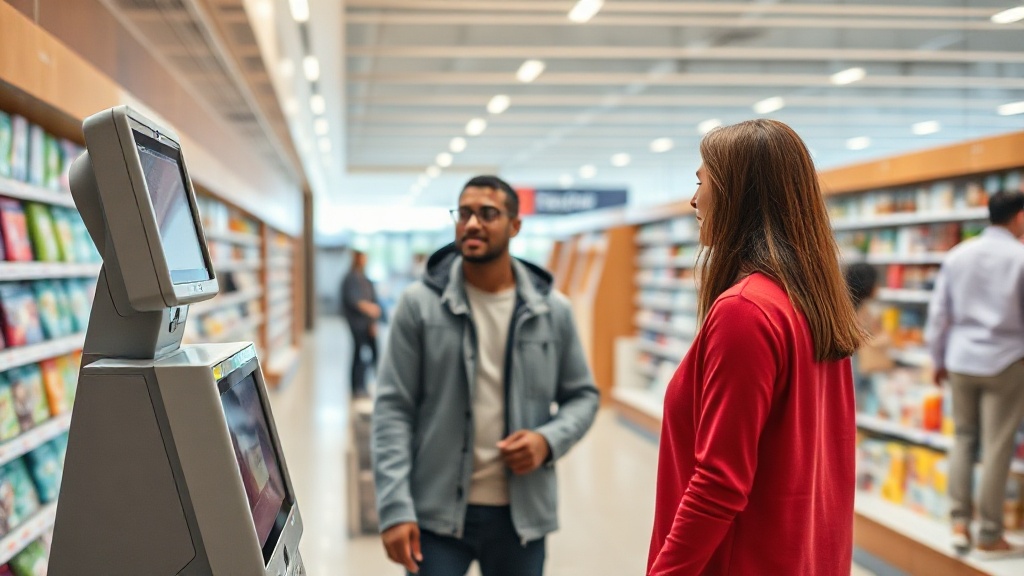
Vision AI checkout (AI vision checkout) is technology that uses cameras and computer vision to recognize products in shopping carts without barcodes. The system automatically calculates totals when customers place items on the scanning surface — reducing checkout time by 70-80% compared to manual methods.
AI vision checkout cameras operate based on deep learning models trained on thousands of SKUs. When a customer places a product on the scanning surface, the camera captures an image, and AI compares it against a vector database, returning recognition results in 0.3-0.8 seconds. The system can recognize products without barcodes, with damaged codes, or loose produce items without labels.
Who should use it: Mini supermarket chains (3-10 locations), convenience stores, F&B takeaway shops, fashion retailers with seasonal SKU changes. Especially suited for businesses wanting to reduce cashier staff by 40-60% and increase throughput during peak hours.
Việt POS has deployed Vision AI kiosks for multiple retail chains in Ho Chi Minh City and Hanoi, with offline capability thanks to local-first vector database — data stays on device, ensuring fast processing even without network connectivity.
What is Traditional Barcode Scanning? Who Should Use It?
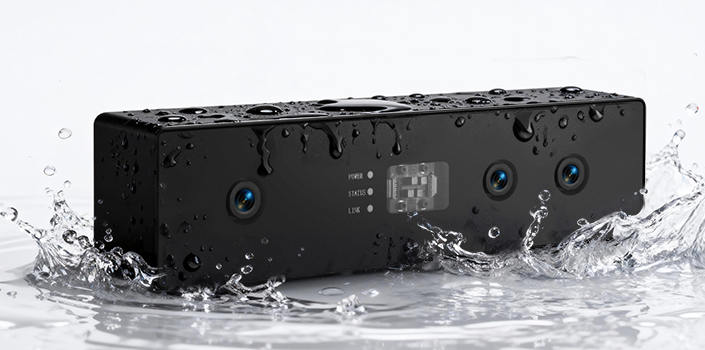

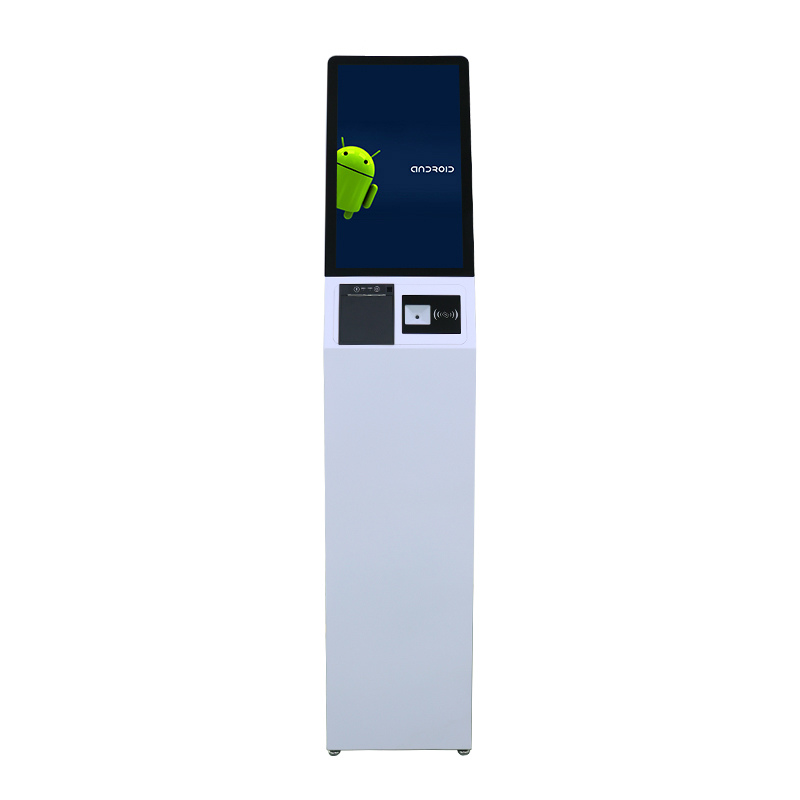
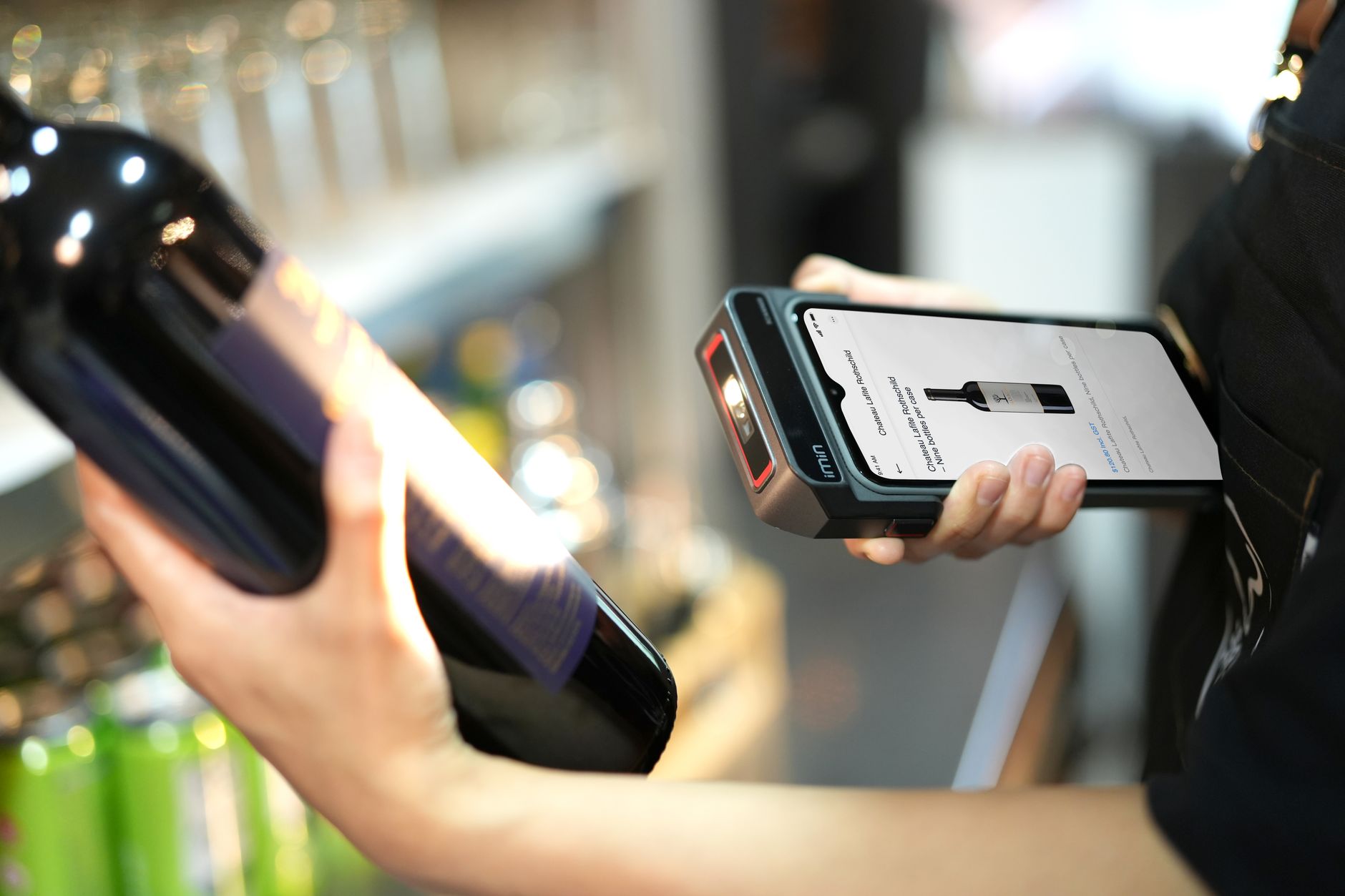
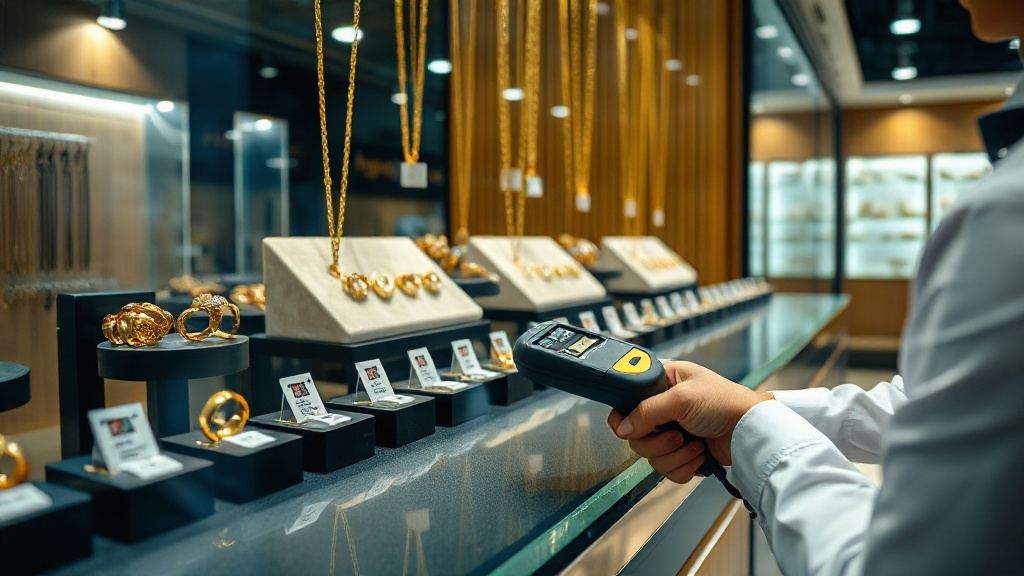
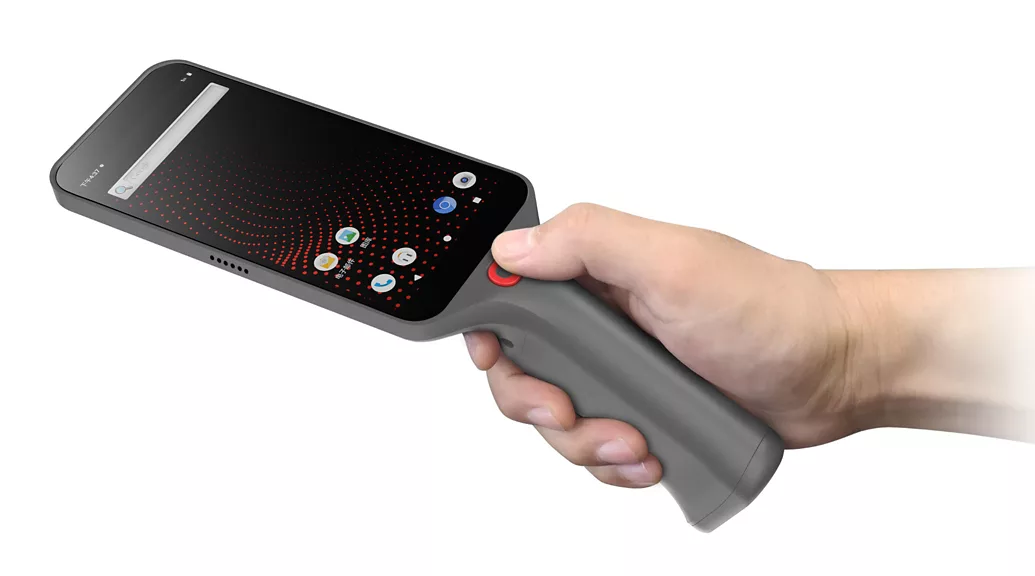
Traditional barcode scanning uses laser or 2D scanners to read barcodes (UPC, EAN, QR) printed on products. This is globally standardized technology, low cost, and easy to deploy — suitable for the majority of Vietnamese retail stores today.
Bạn đang tìm sản phẩm cho chủ đề này?
Việt POS phân phối chính hãng — bảo hành 24-36 tháng, hỗ trợ kỹ thuật 24/7.
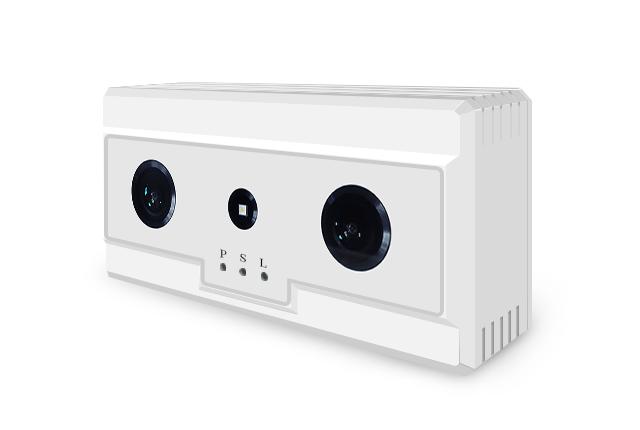
AI 3D People Counter HX-CCD21 (AI Version)
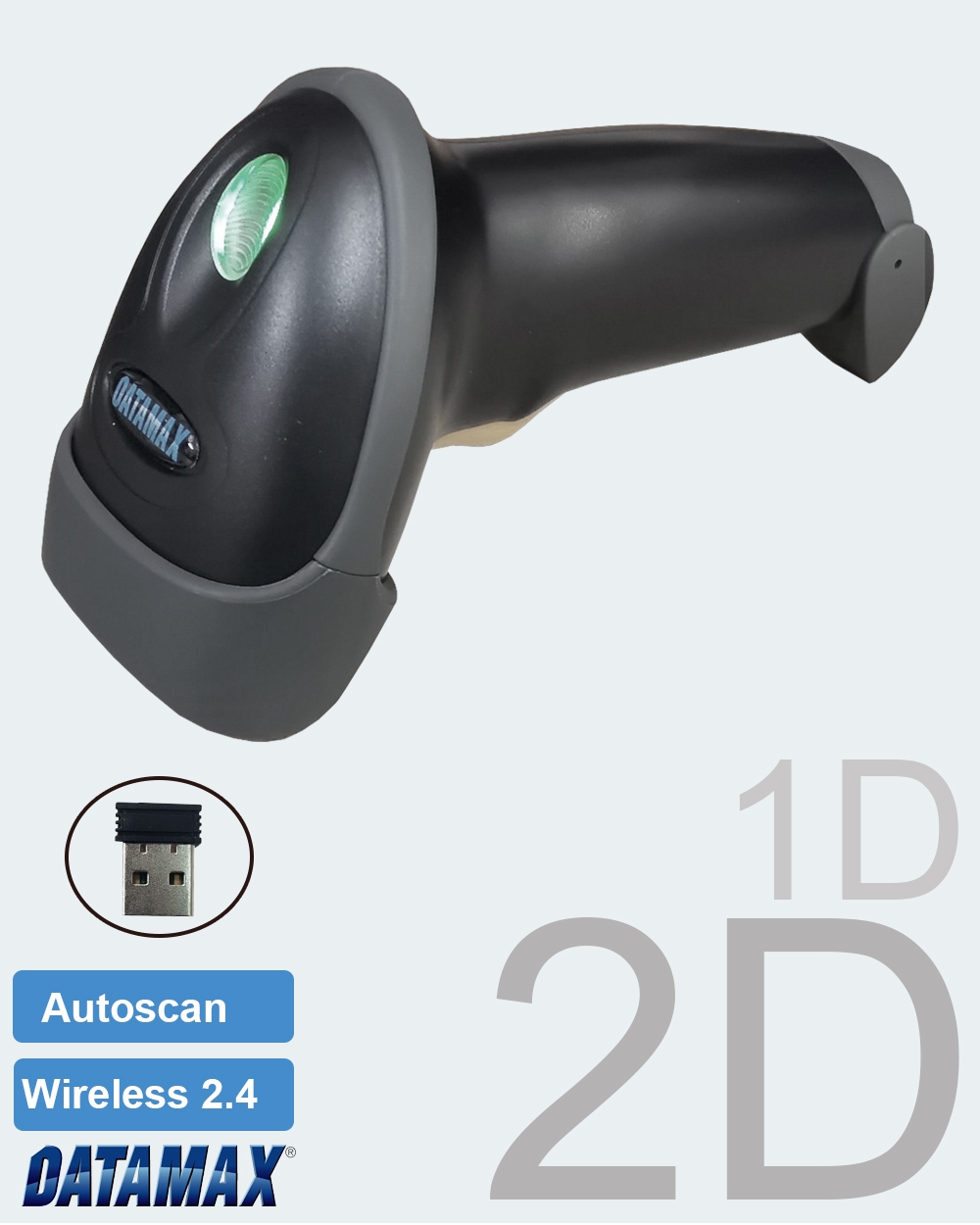
Datamax DT2208W Barcode Scanner – Affordable, Versatile 2D Scanner for All Retail Models

Zebra DS4608-SR Barcode Scanner for Retail
SKU: DS4608-SR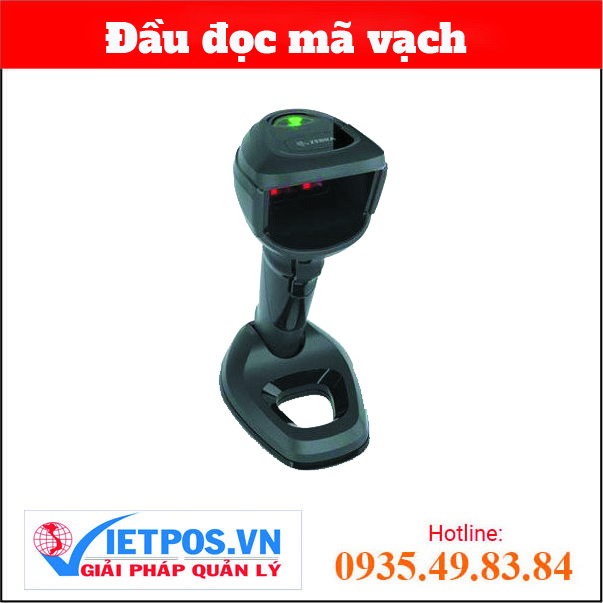
DS9908 Zebra barcode reader for retail model
The system consists of a barcode scanner (wired or wireless), POS software integration, and a product database. When scanned, the barcode is decoded to a product code, the system looks up the price, and adds it to the invoice. The entire process takes 0.5-2 seconds per item — depending on scanner type (1D, 2D, AI-enhanced).
Who should use it: General merchandise stores, large supermarkets with existing barcode infrastructure, stores with limited SKU counts (<500), businesses wanting low initial investment (1D scanners cost 500,000-1,500,000 VND). Suitable for most traditional retail models without high automation requirements.
Việt POS supplies complete barcode scanning equipment from vendors including Honeywell, Zebra, Datalogic — pre-integrated with POS software and self-checkout kiosks.
Vision AI Checkout vs Traditional Barcode Scanning Comparison
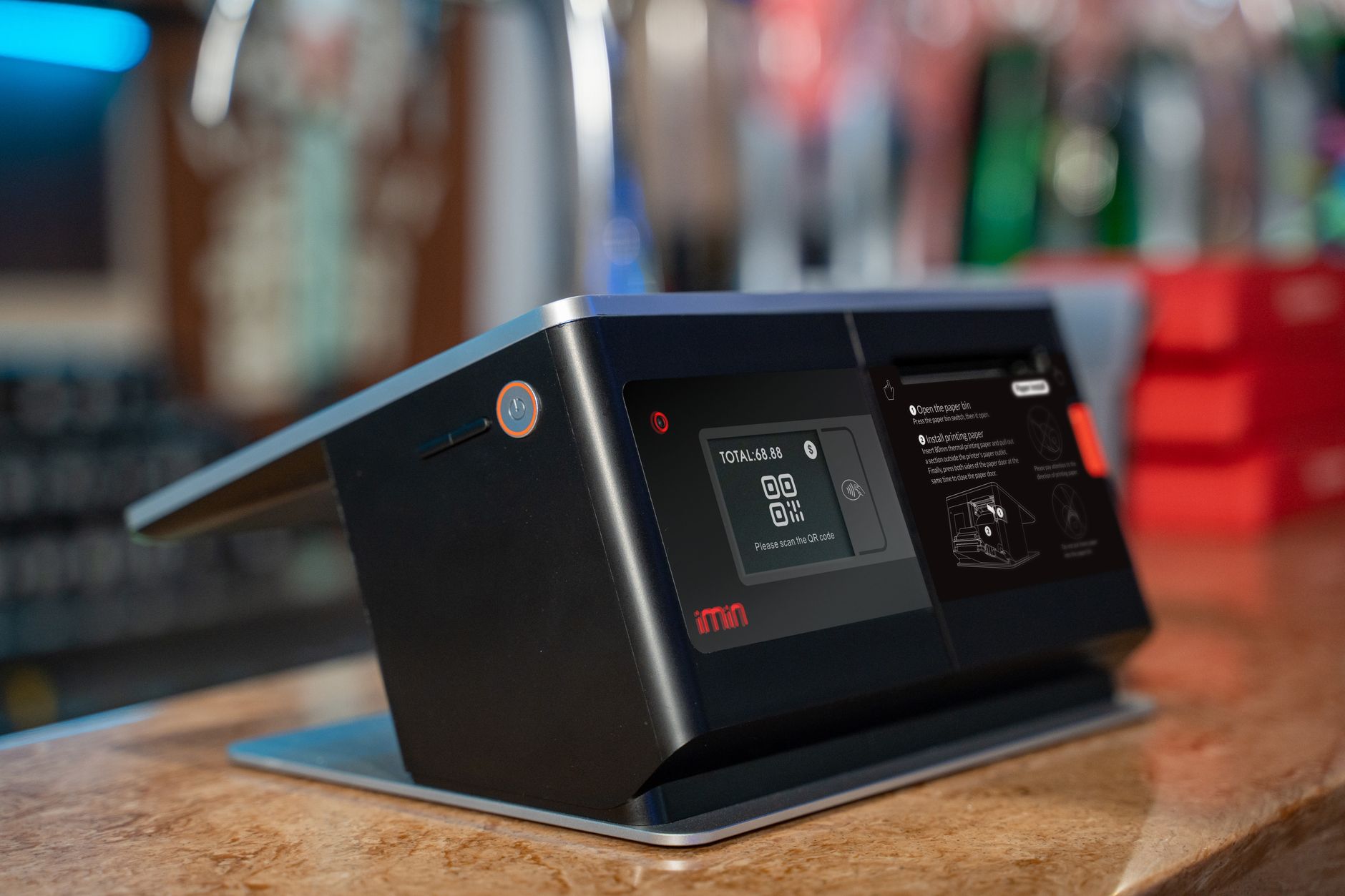
The table below compares 6 key criteria: checkout speed, accuracy, initial investment, operating costs, scalability, and infrastructure requirements. Vision AI excels in speed and automation, while barcode scanning wins on low cost and proven reliability.
| Criteria | Vision AI Checkout | Barcode Scanning (1D/2D) | AI-Enhanced Barcode Scanning |
|---|---|---|---|
| Checkout Speed | 0.3-0.8 seconds/item | 0.5-2 seconds/item | 0.3-1 second/item |
| Accuracy | 95-98% (depends on training data) | 99.5-100% (if barcode intact) | 99-99.5% (auto error correction) |
| Initial Investment Cost | 30-80 million VND/kiosk (camera + PC + software) | 2-15 million VND/checkout (scanner + POS) | 5-25 million VND/checkout (AI scanner + POS) |
| Monthly Operating Cost | 0-2 million VND (maintenance, AI model updates) | 0.2-0.5 million VND (replacement parts) | 0.3-1 million VND (maintenance, firmware updates) |
| Scalability | Excellent — add kiosk = add camera, no new barcode printing needed | Average — need to print barcodes for new SKUs, manage database | Excellent — AI auto-learns new SKUs |
| Infrastructure Requirements | High — needs powerful PC (GPU), HD camera, stable network | Low — only needs scanner + basic POS | Medium — AI scanner + internet-connected POS |
Conclusion: Vision AI suits retail chains with high customer volume (>500 visits/day) seeking complete automation. Traditional barcode scanning remains optimal for small stores (<200 SKU) with tight budgets. AI-enhanced barcode scanning is the middle ground — reasonable cost, improved speed, still using barcodes.
Choose by Use Case: Which Solution Should You Use?

Below are 5 real-world scenarios — each use case includes specific recommendations based on chain size, budget, and operational needs in retail.
Use Case 1: Mini Supermarket (3-5 locations, 200-500 SKU)
Recommendation: Vision AI checkout + 1-2 self-checkout kiosks per location. Reason: reduces cashier staff by 50-60%, customers self-checkout quickly, no barcode printing needed for fresh produce. Initial investment 40-80 million per location, ROI within 8-12 months through labor savings.
Use Case 2: Convenience Store (100-300 SKU, high customer volume)
Recommendation: AI-enhanced barcode scanning (Honeywell/Zebra latest-gen scanners) + self-checkout kiosk. Reason: lower initial investment than Vision AI (15-25 million per checkout), still increases checkout speed by 30-40% with AI-assisted scanning and auto error correction.
Use Case 3: F&B Takeaway Chain (5-15 locations)
Recommendation: Vision AI kiosk + order confirmation screen. Reason: F&B products typically lack barcodes (banh mi, boxed rice, milk tea), Vision AI recognizes via shape and color. Customers self-select toppings, AI auto-calculates — reduces wait time by 70%.
Use Case 4: Fashion Retail (Seasonal SKU Changes)
Recommendation: 2D barcode + RFID combination. Reason: fashion requires size/color management, 2D barcodes contain more data. RFID enables fast inventory counts. Vision AI not yet optimal for similar-looking products (basic white shirts).
Use Case 5: Large Supermarket (>1000 SKU, >1000 customers/day)
Recommendation: Hybrid approach: traditional barcode scanning at main checkout + Vision AI kiosks for self-checkout area. Reason: leverages both — high accuracy from barcodes + speed from AI. Investment 200-500 million for 5-10 Vision AI kiosks, ROI 12-18 months.
Advantages and Disadvantages of Each Solution
Vision AI Checkout
- No barcode printing needed — saves on decals, labels
- Fast checkout — eliminates peak-hour lines
- Complete automation — reduces cashier staff by 50-70%
- Recognizes unbarcoded products (produce, fresh food)
- Easy scaling — add camera for new SKUs, no manual database updates
- High initial investment (30-80 million/kiosk)
- Accuracy depends on training data — needs training time
- Requires strong infrastructure (GPU, HD camera, stable network)
- Struggles with identical-looking products (same white shirts)
- Complex maintenance — requires AI technician expertise
Traditional Barcode Scanning (1D/2D)
- Low cost — 1D scanners from 500,000 VND
- Near-perfect accuracy (99.5-100%) if barcode intact
- Globally standardized — integrates with any POS
- Simple to operate — staff just scans
- Easy maintenance — cheap replacement parts
- Barcode-dependent — damaged/torn codes require manual entry
- Slower than Vision AI — 0.5-2 seconds per item
- Requires barcode printing for all products — ongoing label costs
- No automation — still needs cashiers
- Struggles with unbarcoded products (produce, custom-packed fresh items)
Frequently Asked Questions
Is Vision AI as accurate as barcode scanning?
Vision AI achieves 95-98% accuracy — lower than barcode scanning (99.5-100%). However, for products with distinct shapes (water bottles, milk cartons, packaged snacks), accuracy can reach 99% after 2-3 months of training. Barcode scanning remains more accurate, but cannot recognize unbarcoded items.
What is the initial investment cost for a Vision AI checkout kiosk?
A Vision AI checkout kiosk (camera, computer, display, software) costs 30-80 million VND depending on configuration and SKU count to train. For a 5-location chain, total investment is around 200-400 million VND. ROI typically reaches 8-12 months through savings of 3-5 cashiers per location.
Does Vision AI work without internet?
Yes. Việt POS's Vision AI system uses a local-first vector database — data is stored and processed on the kiosk itself, not requiring continuous cloud connection. During network outages, AI recognizes products normally; data syncs to the server once connectivity is restored.
Can Vision AI and barcode scanning be combined on one checkout lane?
Absolutely. Many retail chains use a hybrid approach: Vision AI kiosks for self-checkout combined with barcode scanners for hard-to-recognize items. The POS system automatically switches between modes — optimizing both speed and accuracy. Việt POS supports full integration of both technologies.
How long does it take to train Vision AI to recognize all store products?
Training time depends on SKU count. For a store with 200-500 SKUs, training takes 1-2 weeks — photographing products from multiple angles, labeling, and training the AI model. Afterward, the system auto-learns new products through continuous learning when they're first scanned.
Cần tư vấn thiết bị/giải pháp cụ thể?
Việt POS phản hồi trong 30 phút · Hotline 4 vùng · Khảo sát miễn phí.
Sản phẩm liên quan
Bài viết cùng chủ đề