Mục lục bài viết (5)
- Why is RFID-based returnable asset management becoming a trend?
- When should a business start investing in an RFID solution?
- What is the ROI calculation formula for an RFID system?
- What technical limitations should be noted when deploying RFID?
- What does the cost of implementing a returnable asset management system include?
In modern supply chains, returnable transport items (RTIs) such as pallets, plastic crates, gas cylinders, and mobile racks play the role of the lifeblood of goods circulation. However, manual management of these assets often leads to severe loss, inventory discrepancies, and wasted reinvestment costs. Radio Frequency Identification (RFID) technology has emerged as a key infrastructure solution to automate tracking and optimize asset lifecycle.
Why is RFID-based returnable asset management becoming a trend?
RFID enables batch identification of assets without scanning each barcode, automating warehouse inbound and outbound processes. For returnable assets like pallets or gas cylinders, this technology helps control lifecycle, location, and maintenance status accurately, thereby reducing loss and optimizing reinvestment costs for businesses.
Unlike traditional barcodes that require direct contact between scanner and label, RFID UHF (Ultra High Frequency) allows reading data from a distance without line-of-sight. This is especially important for returnable assets that are often covered in dirt or stacked on top of each other in containers.
Core benefits of the system
- Automated inventory: Reduce asset counting time from hours to minutes.
- Supply chain transparency: Accurately determine where assets are (at warehouse, at customer site, or in transit).
- Maintenance management: Record repair history and safety inspections (especially critical for gas cylinders or mobile racks).
- Reduced human error: Eliminate error-prone manual recording tasks.
When should a business start investing in an RFID solution?
Businesses should consider investing when the number of returnable assets is large, turnover frequency is high, or loss rates exceed control levels. Especially when labor costs for manual inventory rise or supply chain transparency requirements become urgent, RFID serves as the foundational infrastructure to resolve operational bottlenecks.
Bạn đang tìm sản phẩm cho chủ đề này?
Việt POS phân phối chính hãng — bảo hành 24-36 tháng, hỗ trợ kỹ thuật 24/7.

Chainway CM710-8 UHF RFID Module (8-Port) — Impinj E710, 93.0 x 79.8 x 8.9mm
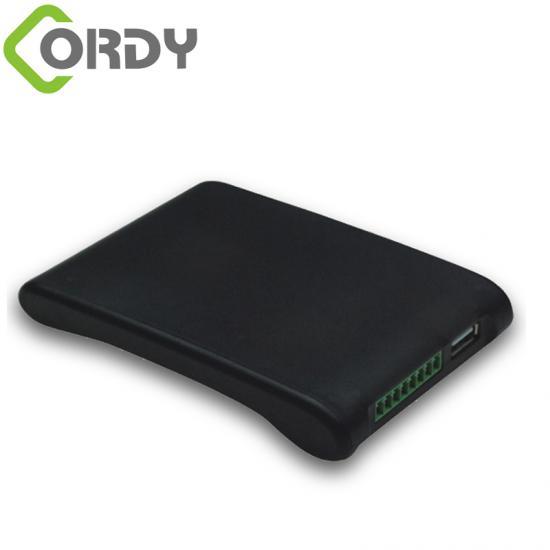
DH9809USB-L - UHF RFID Desktop Reader/Writer 920-925MHz, USB, ISO18000-6C/6B, SDK
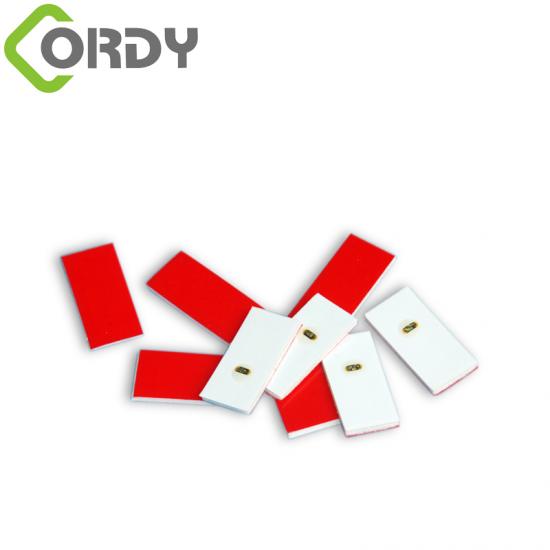
UHF Windshield Tag for RFID Vehicle Management Systems
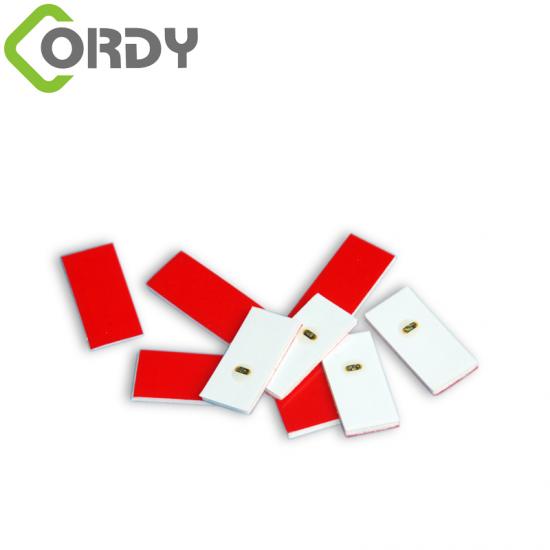
RFID A4 Inlay Sheet / Mifare A3 Inlay Sheet for Card Production
RFID investment should be evaluated based on scale and operational specifics. Below are indicators that a business is ready for transformation:
- High annual asset loss rate: When replacement purchase costs exceed budget due to inability to track asset final location.
- High turnover frequency: Assets move through multiple touchpoints (central warehouse, distributors, customers), making paper or Excel-based control unfeasible.
- Throughput speed requirements: When barcode scanning processes cause bottlenecks at warehouse doors, affecting delivery schedules.
What is the ROI calculation formula for an RFID system?
ROI of RFID is not fixed; it depends on total cost of ownership (TCO) compared to total benefits from reduced loss, inventory time savings, and optimized asset turnover. Basic formula: ROI = [(Annual total benefits - Annual operating costs) / Total initial investment] x 100%.
At VietPOS, we do not provide a fixed ROI figure because each warehouse environment and asset type has its own characteristics. However, businesses can calculate based on the following components:
1. Total initial capital expenditure (CapEx)
Includes equipment costs (fixed readers, handheld readers, antennas), specialized RFID tag costs (anti-metal, heat-resistant), software integration, and network infrastructure deployment.
2. Total benefits
Calculated as the sum of savings:
- Value of reduced asset loss: (Average annual lost assets without RFID - Expected lost assets with RFID) x Unit asset cost.
- Labor cost savings: (Manual inventory time - RFID inventory time) x Hourly labor cost x Inventory frequency.
- Increased asset utilization: Reduced need for backup assets due to faster optimized asset turnover.
3. Operating expenses (OpEx)
Includes costs for replacing damaged tags, equipment maintenance, and training new staff.
What technical limitations should be noted when deploying RFID?
RFID is not a universal technology; read performance can be severely affected by metal environments, liquids, or overly dense stacking. Therefore, selecting specialized tags and appropriate antenna placement is mandatory, and staff confirmation is still needed in special cases to ensure accuracy.
For successful deployment, businesses need to understand the physical limitations of the technology:
- Metal and liquid environments: UHF waves are reflected by metal and absorbed by liquids. For gas cylinders or pallets with metal frames, "on-metal" tags with isolation padding are mandatory.
- Stacking: When plastic crates or pallets are stacked too densely, tags deep inside may be obscured, leading to less than 100% read rates in a single scan.
- Electromagnetic interference: High-power industrial equipment can interfere with RFID signals, requiring frequency surveys before installation.
Frequency and compliance regulations in Vietnam
RFID equipment usage must strictly comply with regulations from the Ministry of Information and Communications. Specifically, UHF RFID devices in Vietnam must operate in the 918.4–923 MHz band with transmit power not exceeding 500 mW ERP, per Circular 08/2021/TT-BTTTT. When investing, businesses should require suppliers to provide full compliance documentation to avoid future legal risks. You can learn more about RFID frequency and compliance in Vietnam to understand current technical standards.
What does the cost of implementing a returnable asset management system include?
The total investment budget includes hardware costs (readers, antennas, tags), software integration costs, and training and operation costs. Due to the unique characteristics of each warehouse and asset type, VietPOS recommends businesses conduct an on-site survey to obtain an accurate and suitable cost estimate.
Below is a relative comparison table of deployment characteristics for common asset types:
| Asset type | Tag characteristics | Main challenges | Expected investment level |
|---|---|---|---|
| Wooden/plastic pallets | Standard or impact-resistant tags | Mechanical impact from forklifts | Medium |
| Gas/chemical cylinders | On-metal tags | Metal interference, fire/explosion safety requirements | High |
| Plastic crates | Small, waterproof tags | Batch reading when stacked on pallets | Low - Medium |
| Mobile racks/carts | Durable tags, long read range | Continuous movement environment | Medium |
Note: Investment level depends on the number of read points (warehouse portals) and the total number of assets to be tagged. An effective system is not necessarily the most expensive, but one designed optimally for the business's actual operational processes.
In conclusion, applying RFID to returnable asset management is a strategic step for Vietnamese businesses to enhance competitiveness. However, instead of chasing promised ROI figures, businesses should focus on technical surveys, selecting compliant equipment, and understanding physical limitations to build a sustainable system. VietPOS is always ready to accompany customers in infrastructure consulting and providing specialized RFID equipment, ensuring maximum compatibility and efficiency for each specific project.
Cần tư vấn thiết bị/giải pháp cụ thể?
Việt POS phản hồi trong 30 phút · Hotline 4 vùng · Khảo sát miễn phí.
