Mục lục bài viết (8)
- 1. Overview of Product Defects in the Garment and Footwear Industry
- 2. Main Causes of Product Defects
- 3.Equipment-Based Solutions for Reducing Product Defects
- 4. Building a Standard Defect Control Process with Equipment
- 5. Benefits of Adopting an Integrated Equipment Solution
- 6. Future Trend: Smart Factory
- 7. Conclusion
- Việt Pos – Comprehensive Equipment Solutions for Garment and Footwear Factories
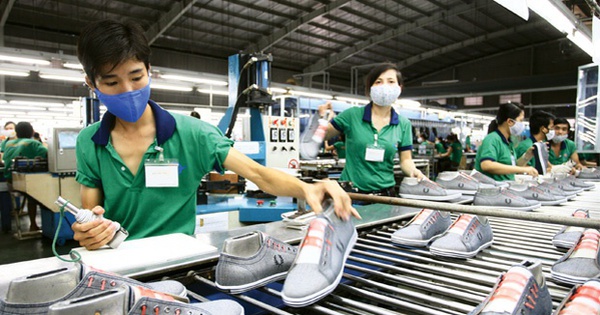
In the garment and footwear industry, product quality directly determines a business's reputation and competitiveness. Even a minor defect, such as incorrect stitching, wrong materials, or a broken needle left behind, can lead to an entire batch being returned, causing significant financial damage and harm to the brand image.
Many businesses currently focus on staff training to reduce defects, but reality shows that human factors cannot be fully controlled. A more sustainable solution lies in applying equipment and technology to the production process.
This article will help you understand the causes of defects and how to effectively reduce them from an equipment perspective.
1. Overview of Product Defects in the Garment and Footwear Industry
Product defects are a common issue in most manufacturing plants. Some common defects include:
- Stitching defects: uneven stitches, skipped stitches, broken threads
- Material defects: wrong color, wrong fabric type
- Broken needles left in products
- Packaging defects: wrong item code, incorrect quantity
- Defects due to unsynchronized production processes
These defects not only increase costs but also directly impact delivery schedules and business reputation.
2. Main Causes of Product Defects
2.1 Human Dependence
Workers are a crucial factor in production, but also the biggest source of defects due to:
Bạn đang tìm sản phẩm cho chủ đề này?
Việt POS phân phối chính hãng — bảo hành 24-36 tháng, hỗ trợ kỹ thuật 24/7.
Printing labels for the wood and furniture industry

Barcode labels in the electronics industry

Barcode label paper for the medical industry
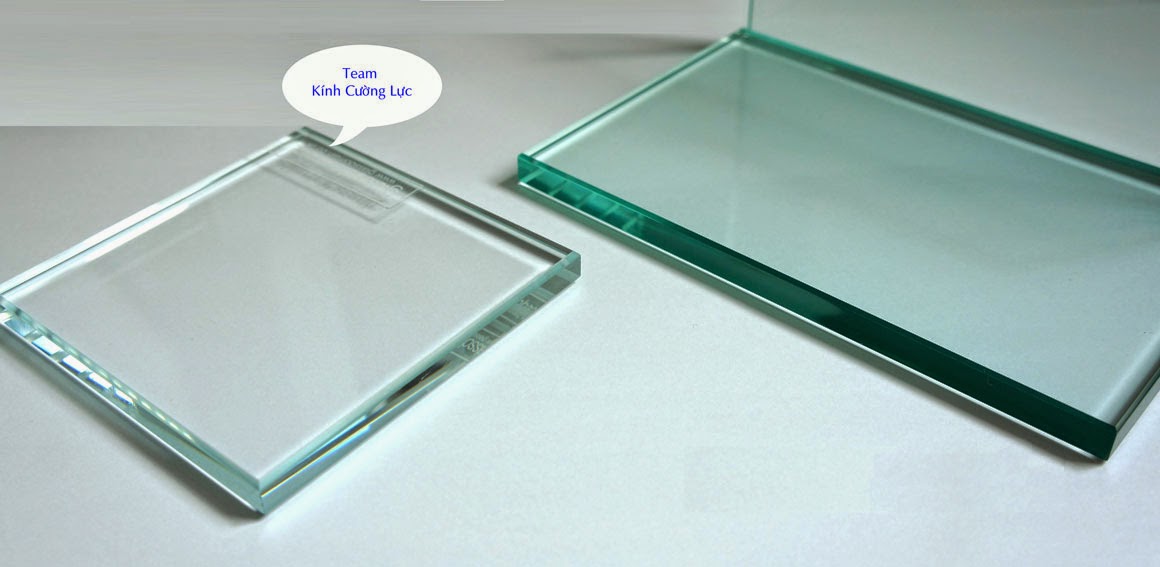
Printing labels for the tempered glass manufacturing industry
- Fatigue from continuous work
- Operational errors
- Variations in skill levels
2.2 Lack of Quality Control Equipment
Many factories have not invested sufficiently in inspection equipment, leading to:
- Failure to detect defects in time
- Defects spreading throughout the entire production line
2.3 Suboptimal Production Processes
- Absence of monitoring systems
- Lack of real-time defect alerts
2.4 Manual Material Management
- Prone to item code mix-ups
- Errors in inbound, outbound, and inventory management
3.Equipment-Based Solutions for Reducing Product Defects
3.1 Metal Detectors – Product Safety Control
Metal detectors help identify metal remnants in products after sewing. This equipment is mandatory for export factories.
Benefits:
- Prevents return risks
- Meets international standards
- Protects consumers
3.2 Fabric Inspection Machines – Input Quality Control
Fabric inspection machines help detect defects right from the raw material stage, such as:
- Weaving defects
- Color errors
- Surface defects
Benefits:
- Reduces defects at the source
- Avoids production waste
3.3 Automatic and Programmable Sewing Machines
Automatic sewing equipment helps standardize production operations.
Advantages:
- Precise stitching
- Increases product consistency
- Reduces dependence on skill levels
3.4 AI-Powered Defect Inspection Systems
Applying cameras and artificial intelligence helps:
- Automate defect detection
- Inspect 100% of products
- Increase accuracy
3.5 Manufacturing Execution Systems (MES, ERP)
These systems help:
- Track production progress
- Real-time quality control
- Prevent defect propagation
3.6 Barcode and RFID Systems
Helps manage materials and goods accurately.
Benefits:
- Nearly absolute error reduction
- Increased order processing speed
- Supports traceability
4. Building a Standard Defect Control Process with Equipment
For equipment to be effective, it needs to be implemented through a systematic process:
Step 1: Standardize Product Codes
- Each product has a unique code
- Consistency across all departments
Step 2: Assign Codes from the Start of the Process
- From raw materials → semi-finished products → finished products
Step 3: Scan Codes at Every Stage
- Do not skip any step
Step 4: Quality Control at Each Step
- Do not accumulate defects until the end
Step 5: Analyze Defect Data
- Identify root causes
- Continuous improvement
5. Benefits of Adopting an Integrated Equipment Solution
When a complete equipment system is implemented, factories will achieve:
Significant Reduction in Product Defects
- Defects reduced by 30–70% depending on the level of application
Increased Productivity
- Less rework
- Reduced processing time
Cost Savings
- Reduced defective goods and returns
- Reduced inspection labor
Enhanced Business Reputation
- Meets export standards
- Increased customer trust
6. Future Trend: Smart Factory
Defect reduction is not just about individual equipment, but an entire ecosystem:
- IoT connecting machines
- AI analyzing defects
- Full production line automation
Factories that are proactive in adopting technology will:
- Reduce long-term costs
- Increase competitiveness
- Easily scale up
7. Conclusion
Product defects in the garment and footwear industry cannot be entirely eliminated, but they can be strongly controlled and minimized if businesses shift from manual methods to equipment and technology-based management.
Instead of relying on humans, let the system operate according to standardized processes – that is the sustainable way to improve product quality.
Việt Pos – Comprehensive Equipment Solutions for Garment and Footwear Factories
If you are looking for a comprehensive solution to reduce product defects and optimize operations, Việt Pos is a reliable partner.
We provide a complete range of equipment and solutions for factories:
- Industrial barcode scanners
- High-quality label printers
- POS systems and management software
- Inspection and inventory equipment
- Production data synchronization solutions
Việt Pos's Differentiators:
- Solution consulting tailored to each factory's reality
- End-to-end implementation
- Prompt technical support
- Experience in implementing across various manufacturing industries
Contact Việt Pos today for a consultation on suitable solutions to reduce defects – increase productivity – optimize costs for your business.
Cần tư vấn thiết bị/giải pháp cụ thể?
Việt POS phản hồi trong 30 phút · Hotline 4 vùng · Khảo sát miễn phí.
Bài viết cùng chủ đề