Mục lục bài viết (7)
- How do AI cameras and traditional sensors differ in factory security control?
- Comparison table: AI cameras vs traditional sensors
- Investment cost of AI cameras and sensors for factories in 2026
- Accuracy in real-world factory conditions
- Integration with access control systems
- When to choose AI cameras vs traditional sensors?
- Frequently Asked Questions
AI cameras for people counting and traditional sensors are two popular security control technologies in Vietnamese factories in 2026. AI cameras use computer vision to recognize objects and behaviors in real-time, while infrared or radar sensors detect movement based on physical signals. This article compares the cost, accuracy, and integration capabilities of the two solutions, helping businesses make the right choice for their factory security needs.
How do AI cameras and traditional sensors differ in factory security control?
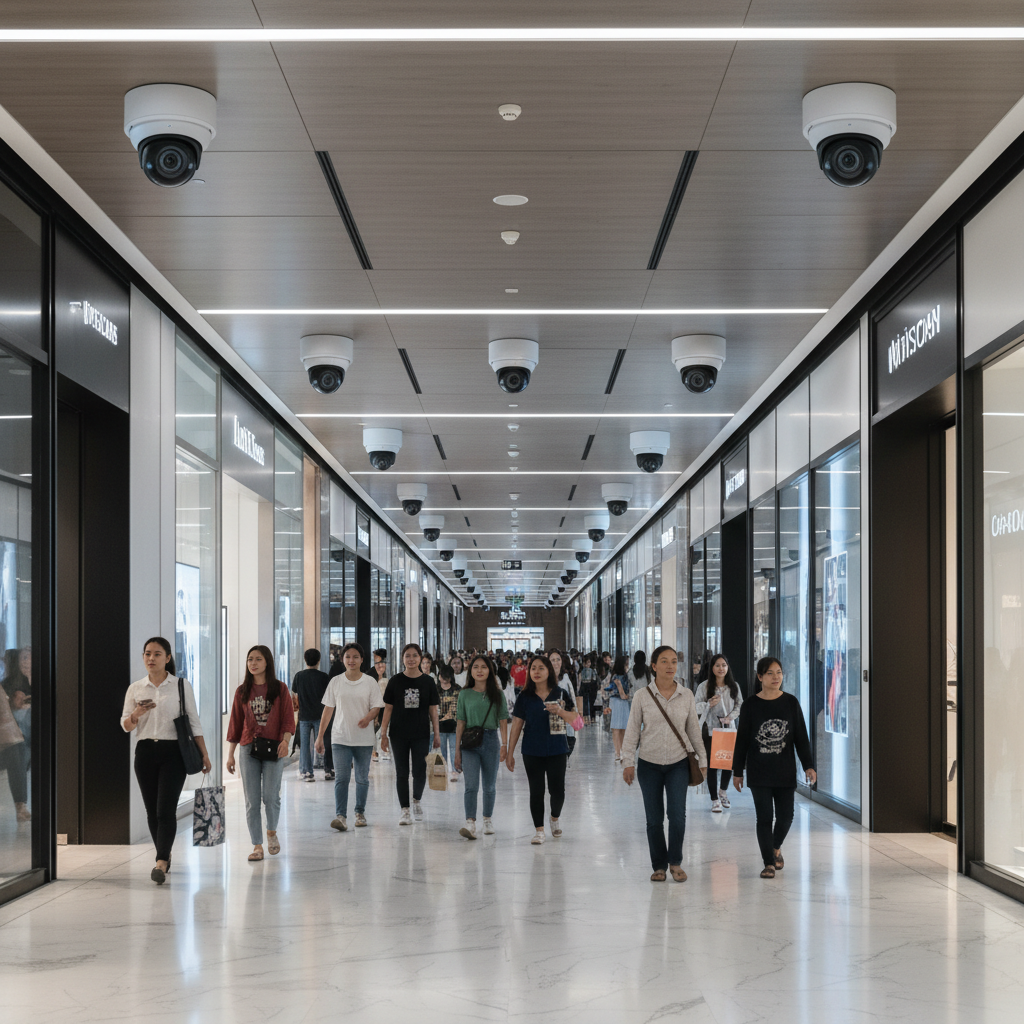
AI cameras record and analyze video in real-time, capable of recognizing people, vehicles, and abnormal behaviors (intrusion, wrong-way movement). Traditional sensors (infrared, radar, laser) only detect movement or obstacles based on physical signals, without providing images or context. AI cameras offer higher accuracy in complex environments, but have a higher initial investment cost.
Comparison table: AI cameras vs traditional sensors
| Criteria | AI Camera | Traditional Sensor |
|---|---|---|
| Initial investment cost | 15-40 million VND/camera (depending on resolution, AI chip) | 3-12 million VND/sensor (infrared, radar) |
| Operational cost (electricity + maintenance/year) | 1-3 million/year (software maintenance, video storage) | 0.5-1 million/year (sensor maintenance) |
| Intrusion detection accuracy | 95-99% (recognizes people, vehicles, animals) | 70-85% (prone to false alarms from animals, wind, heat) |
| Object recognition capability | Yes (distinguishes people, vehicles, goods) | No (only detects movement) |
| Integration with security gates (barrier, swing) | Integration via API, central management software | Integration via relay, ON/OFF signal |
| Effectiveness in harsh environments (dust, high heat) | Average (requires lens cleaning, withstands up to 50°C) | High (radar sensors withstand dust, heat up to 70°C) |
| Deployment time | 2-4 weeks (installation, AI configuration, integration) | 1-2 weeks (installation, signal wiring) |
Investment cost of AI cameras and sensors for factories in 2026
The cost of AI cameras for a medium-sized factory (20-30 monitoring points) ranges from 300-800 million VND, including cameras, AI server, and management software. Traditional sensors for the same number of points cost only 60-150 million VND. However, the cost of false alarms and personnel handling from sensors can be 30-50% higher after 2-3 years of operation.
Bạn đang tìm sản phẩm cho chủ đề này?
Việt POS phân phối chính hãng — bảo hành 24-36 tháng, hỗ trợ kỹ thuật 24/7.
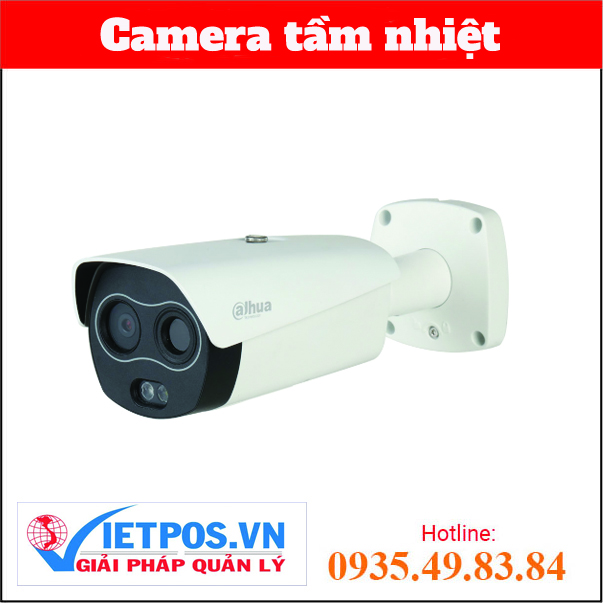
Dahua DH-TPC-BF5421P-T Thermal Sensor Camera
SKU: DH-TPC-BF5421P-T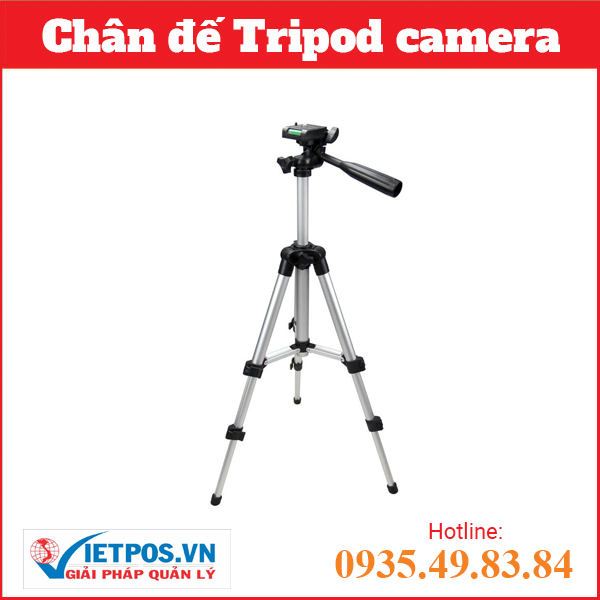
Tripod stand for HIKVISION DS-2907ZJ thermal camera
SKU: DS-2907ZJ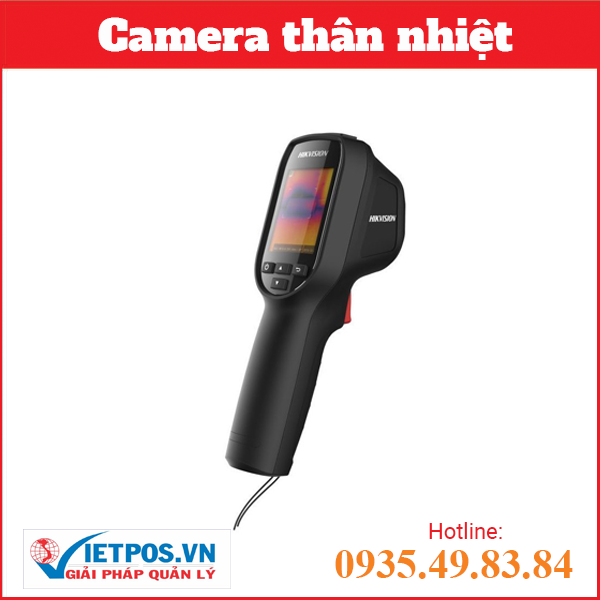
HIKVISION DS-2TP31B-3AUF Handheld Thermographic Camera
SKU: DS-2TP31B-3AUF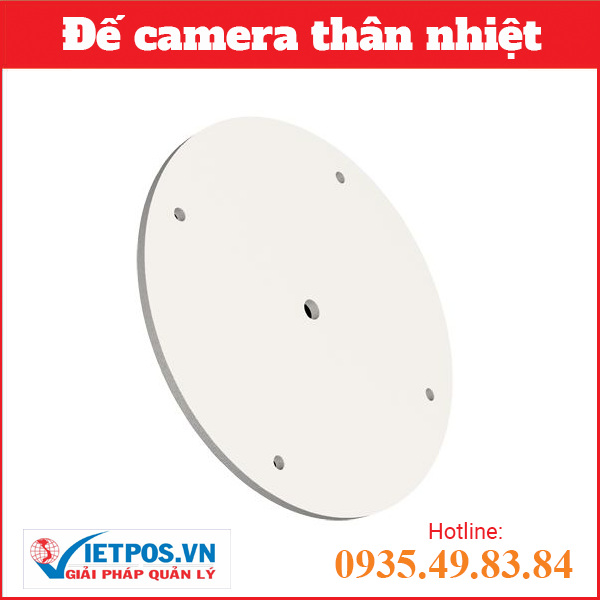
Thermal camera bracket (bullet type) HIKVISION DS-2909ZJ
SKU: DS-2909ZJAI cameras reduce false alarms through object filtering. For example, at an electronic component manufacturing plant, an AI camera only records an event when it detects a stranger in a restricted area, ignoring cats, dogs, or moving forklifts. In contrast, infrared sensors can trigger alarms 3-5 times per day due to heat emissions from machinery or direct sunlight.
Accuracy in real-world factory conditions
AI cameras achieve 95-99% accuracy in good lighting conditions, but drop to 80-85% in low light or heavy dust. Radar sensors maintain 85-90% accuracy in dusty, high-temperature environments, but are susceptible to interference from machine vibrations or metal.
For chemical or cement factories – where fine dust and temperatures of 45-60°C are common – radar sensors are often preferred. Conversely, electronics and pharmaceutical factories requiring high cleanliness and stable lighting, AI cameras deliver superior performance. Some current AI camera models (e.g., Hikvision AcuSense, Dahua AI) have integrated edge processing chips, enabling analysis directly at the camera, reducing latency and increasing accuracy to 98% even in low-light conditions.
Integration with access control systems
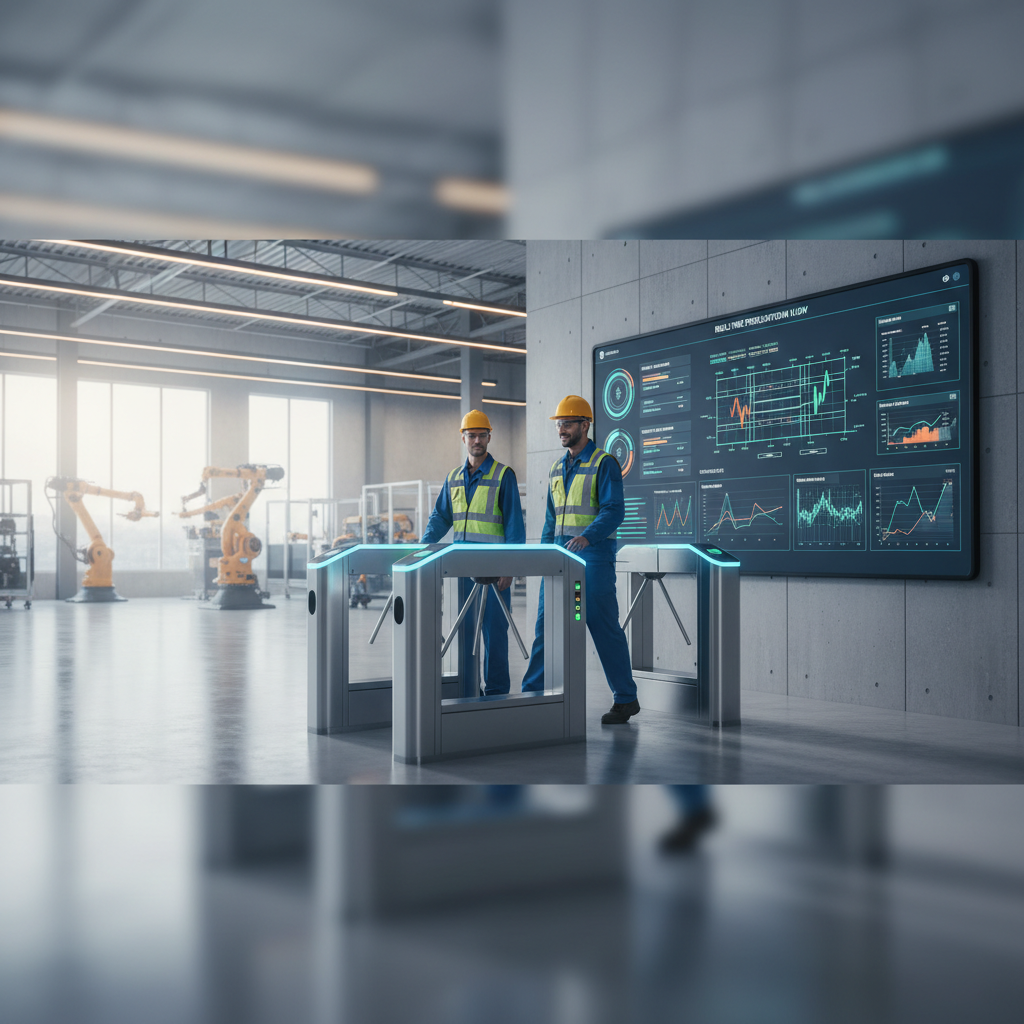
AI cameras integrate deeply with smart access control systems (swing barrier gates, flap barriers, barriers) via API or VMS software. Traditional sensors connect simply via relay – suitable for older, low-cost systems.
For example, at a factory entrance, an AI camera can recognize license plates, cross-reference them with a whitelist, and automatically open the barrier gate. In contrast, a sensor only activates the barrier when it detects an obstacle – without distinguishing between authorized and unauthorized vehicles. Việt POS provides integrated solutions combining AI cameras with ZOJE gates (swing barrier, flap barrier, full height turnstile) and PB series barriers, enabling real-time synchronization of entry/exit data.
When to choose AI cameras vs traditional sensors?
Choose AI cameras when you need object recognition, list-based access control, and behavior monitoring. Choose traditional sensors when budget is limited, the environment is harsh (dust, high heat), and only basic intrusion detection is needed. Combine both technologies for a layered security solution – sensors for early detection, AI cameras for event verification.
Specific recommendations:
- Component manufacturing, pharmaceutical, food factories: AI cameras are the optimal choice due to high accuracy, reduced false alarms, and access control integration.
- Cement, chemical, heavy machinery factories: Radar/infrared sensors withstand dust and heat better, combined with AI cameras at critical points (gates, raw material warehouses).
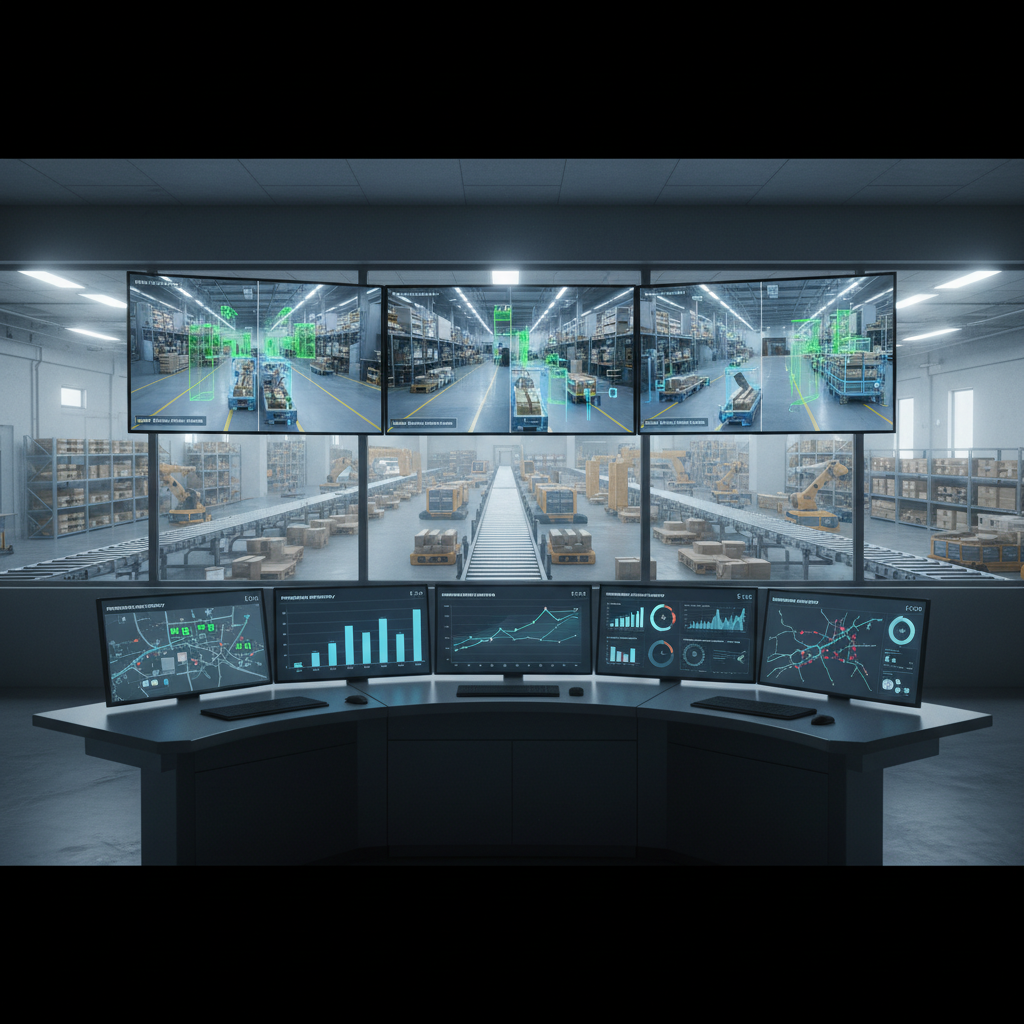
- Logistics warehouses: AI cameras enable goods monitoring, intrusion detection, and vehicle access control via barriers.
Frequently Asked Questions
Can AI cameras completely replace traditional sensors in factories?
Not entirely. AI cameras excel in recognition and false alarm reduction, but their investment cost is 2-3 times higher. In dusty, high-temperature environments, radar sensors remain a reliable choice. A combined solution – sensors for early detection, AI cameras for verification – is often recommended for large-scale factories.
Is the maintenance cost of AI cameras higher than sensors?
Yes, AI camera maintenance costs are 30-50% higher due to lens cleaning, AI software updates, and firmware upgrades. However, the cost of handling false alarms from sensors (personnel inspection, downtime) can be 40-60% higher after 2 years. The total cost of ownership (TCO) for AI cameras is often lower if the factory has over 30 monitoring points.
Do AI cameras perform well in low-light factory environments?
Modern AI cameras (e.g., Hikvision DarkFighter, Dahua Starlight) have low-light sensors, delivering color images even at 0.001 lux. Recognition accuracy drops 5-10% compared to well-lit conditions, but remains higher than infrared sensors (which often false alarm due to thermal noise). If the area is completely dark, supplement with infrared or LED lighting.
Is integrating AI cameras with barrier gates complicated?
Not complicated if using a synchronized solution. AI cameras connect via API to central management software, which controls barrier gates, swing barriers, or flap barriers. Việt POS offers a turnkey integration package: AI cameras + ZOJE gates + access management software, with a deployment time of 2-4 weeks for a medium-sized factory.
Can traditional sensors be upgraded to AI cameras?
Yes, a gradual upgrade is possible. You can keep existing sensors for low-risk areas (hallways, secondary warehouses) and install AI cameras at critical points (main gates, production areas, raw material warehouses). An integrated security management system combines both data sources, allowing flexible transition without replacing the entire infrastructure.
Need advice on a factory security control solution integrating AI cameras and smart gates? Contact Việt POS via hotline 0935 498 384 for a free survey and detailed quote.
Cần tư vấn thiết bị/giải pháp cụ thể?
Việt POS phản hồi trong 30 phút · Hotline 4 vùng · Khảo sát miễn phí.
Bài viết cùng chủ đề