Mục lục bài viết (9)
- #What are inventory checking machines and how do they work?
- #What are the common types of inventory checking machines for Vietnamese businesses?
- #How much do inventory checking machines cost?
- #Benefits of inventory checking machines for Vietnamese businesses?
- #Which industries are suitable for inventory checking machines?
- #How to choose the right inventory checking machine for your business?
- #What is the process of deploying inventory checking machines in a business?
- Related products
- Articles on the same topic
Manual inventory checking is time-consuming, prone to errors, and difficult to track actual stock. Many Vietnamese businesses still use paper records or Excel, leading to 2-5 days for each inventory check, and an error rate of up to 15-25%. Inventory checking machines combined with warehouse management software are a solution to optimize this process.
What are inventory checking machines and how do they work?
Inventory checking machines are barcode scanners, electronic scales, or RFID readers combined with warehouse management software to control inventory. These devices allow warehouse staff to scan each product, record quantity, storage location, and update data in real-time to the system. The inventory checking process is reduced from 2-5 days to 4-8 hours, and accuracy increases from 75-85% to 95-99%.
According to Việt POS's experience in deploying for Vietnamese businesses, inventory checking machines operate in cycles: warehouse staff use mobile terminals or tablets, scan each product's barcode, the system automatically compares it with theoretical data, detects excess/missing items, and generates detailed inventory reports.
What are the common types of inventory checking machines for Vietnamese businesses?
Inventory checking machines come in many types depending on warehouse size and industry. Below are the main types:
Bạn đang tìm sản phẩm cho chủ đề này?
Việt POS phân phối chính hãng — bảo hành 24-36 tháng, hỗ trợ kỹ thuật 24/7.
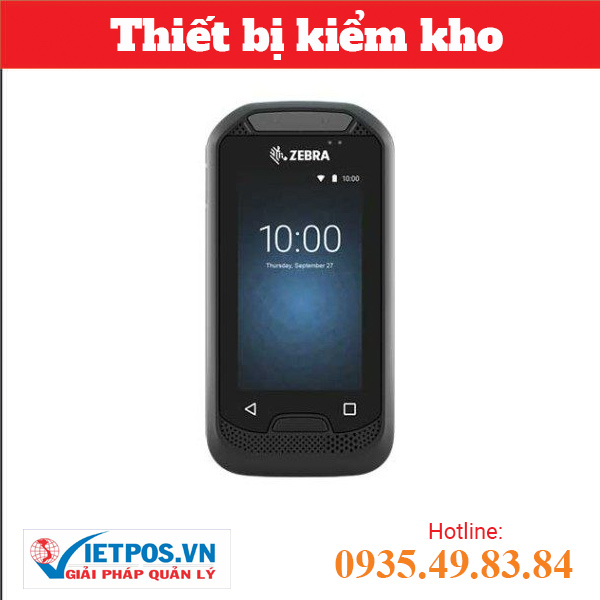
Zebra EC30 - Handheld Inventory
SKU: EC30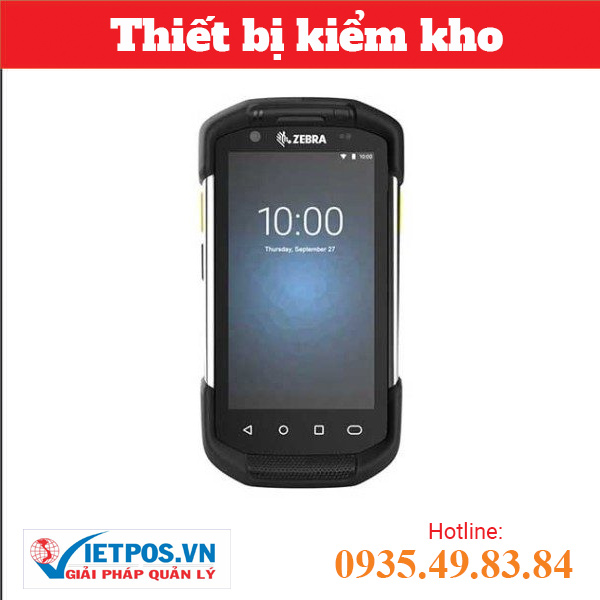
Zebra TC72/ TC77 - Handheld Inventory Scanner
SKU: TC72/ TC77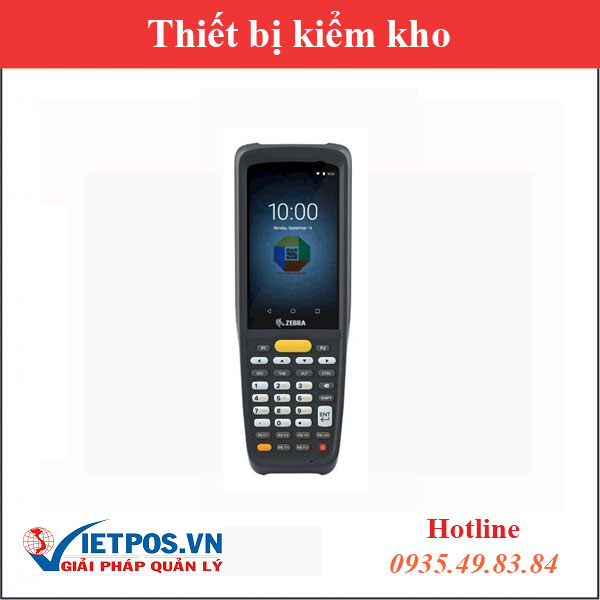
Zebra MC2200/MC2700 - Inventory Device
SKU: MC2200/MC2700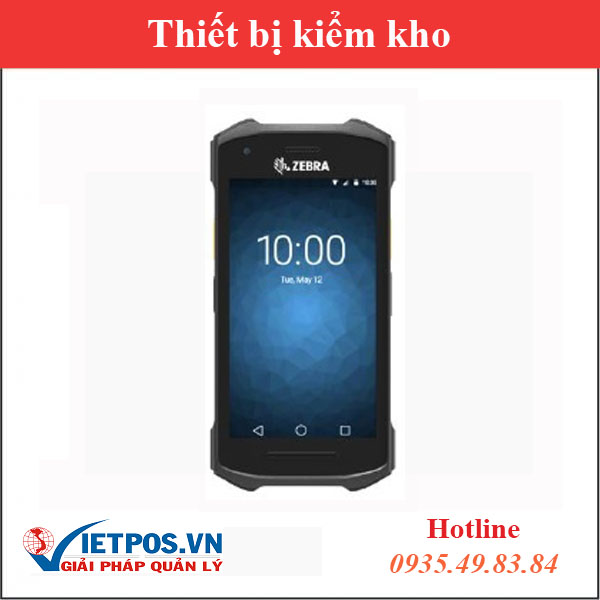
Zebra TC21/TC26 - Inventory Device
SKU: TC21/TC26Are you looking for products for this topic?
Việt POS is an authorized distributor — 24-36 month warranty, 24/7 technical support.
| Device Type | Application | Advantages |
|---|---|---|
| Handheld barcode scanner | Retail warehouses, wholesale, supermarkets | Low cost (2-8 million VND), easy to use, long battery life 8-12 hours |
| Mobile terminal (integrated scanning device) | Cold storage, dry warehouses, distribution centers | IP65 water resistance, 12-16 hour battery, 4G/WiFi connectivity |
| Electronic scale combined with barcode scanning | Food warehouses, pharmaceuticals, chemicals | Controls weight + quantity, accuracy ±50g |
| RFID reader | High-end warehouses, logistics, premium retail | Scans 50-100 products/batch, no need to scan individually |
Việt POS provides reputable brands such as Zebra MC3300, Honeywell CK65, Datalogic Memor 10, and RFID devices from ZKTeco, Suprema to suit the inventory checking needs of each business.
How much do inventory checking machines cost?
The cost of inventory checking machines depends on the device type, quantity, and software solution. According to Vietnamese industry estimates:
Handheld barcode scanner: 2-8 million VND/unit. Dedicated mobile terminal: 8-20 million VND/unit. Electronic scale combined with scanning: 5-15 million VND/unit. RFID reader: 15-50 million VND/unit. Warehouse management software: 5-30 million VND/year (depending on users and features). Installation + training: 3-10 million VND (one-time).
Vietnamese businesses often invest 20-80 million VND for a complete inventory solution (3-5 devices + software + installation). The payback period is 6-12 months due to labor savings and reduced errors.
Benefits of inventory checking machines for Vietnamese businesses?
Inventory checking machines offer many specific benefits:
Reduced inventory checking time: From 2-5 days to 4-8 hours, increasing productivity by 60-80%.
Reduced input/output errors: Accuracy increases from 75-85% to 95-99%, reducing goods loss by 20-35%.
Optimized warehouse space: Real-time data helps organize goods scientifically, increasing storage density by 15-25%.
Reduced labor costs: Fewer inventory staff needed, saving 30-50% in salary costs.
Increased delivery speed: Faster item retrieval, reducing order processing time by 40-60%.
According to Việt POS's deployment experience, Vietnamese businesses like Lá Me (food retail), Tân Phát (wholesale), Đồi Cát (logistics) all recorded positive ROI after 6-9 months.
Which industries are suitable for inventory checking machines?
Inventory checking machines are suitable for most industries with warehouses:
Retail: Supermarkets, convenience stores, fashion stores, electronics stores.
Wholesale: Distributors, agents, wholesale food warehouses, cosmetics warehouses.
Logistics: Distribution centers, transit warehouses, delivery services.
Food & pharmaceuticals: Cold storage, dry warehouses, food factories, pharmacies.
Manufacturing: Raw material warehouses, finished product warehouses, component warehouses.
Việt POS provides warehouse management solutions for all these industries, with customized software and equipment suitable for each type of goods.
How to choose the right inventory checking machine for your business?
To choose the right inventory checking machine, businesses need to consider the following criteria:
Warehouse size: Small warehouses (< 500m²) use 1-2 handheld scanners. Large warehouses (> 2000m²) need 5-10 mobile terminals + RFID readers.
Type of goods: Dry goods use regular barcode scanners. Cold goods require IP65 water-resistant devices. Small/numerous items use RFID readers.
Inventory frequency: Daily inventory checks require durable, long-battery-life devices. Weekly inventory checks can use basic devices.
Budget: Small businesses start with 1-2 handheld scanners (2-8 million VND). Large businesses invest in a complete solution (50-100 million VND).
System integration: Choose devices compatible with existing warehouse management software or new software.
The Việt POS technical team will provide free consultation to determine the business's inventory checking needs, thereby proposing the most optimal solution.
What is the process of deploying inventory checking machines in a business?
The deployment process for inventory checking machines typically includes the following steps:
1. Needs assessment: Việt POS meets customers, surveys the warehouse, understands the current inventory checking process.
2. Solution proposal: Propose device types, quantity, software, and costs.
3. Device installation: Install scanners, scales, RFID readers, and network connections.
4. Software configuration: Input product data, warehouse locations, inventory checking rules into the system.
5. Staff training: Instruct warehouse staff on how to use the devices and software (2-4 hours).
6. Testing & adjustment: Conduct trial inventory checks, identify errors, adjust processes.
7. Official operation: Begin actual inventory checking, 24/7 technical support.
The deployment time from assessment to official operation is 2-4 weeks. Việt POS provides access control solutions and barcode label printers to integrate with the inventory system.
Need specific equipment/solution consultation?
Việt POS responds within 30 minutes · 4 regional hotlines · Free survey.
Related products
Articles on the same topic

Cần tư vấn thiết bị/giải pháp cụ thể?
Việt POS phản hồi trong 30 phút · Hotline 4 vùng · Khảo sát miễn phí.
Bài viết cùng chủ đề