Mục lục bài viết (8)
- #What is a 1D barcode and how does it work?
- #What is a 2D barcode and what are its advantages over 1D?
- #Detailed Comparison: 1D vs 2D Barcodes
- #When should Vietnamese businesses use 1D barcodes?
- #When should professional warehouses use 2D barcodes?
- #Choosing the right 1D and 2D barcode reader
- Related products
- Related articles
1D and 2D barcodes are two fundamental scanning technologies in modern inventory management systems. While both share the same purpose — storing and retrieving product information — they differ in data structure, information capacity, and error tolerance. Choosing the correct barcode type directly impacts scanning speed, accuracy, and warehouse operational costs.
What is a 1D barcode and how does it work?
1D barcodes (also known as Linear Barcodes) are traditional barcode formats that store data in a single dimension — from left to right. The structure consists of black bars and white spaces of varying widths, with each combination representing a numeric or alphanumeric character.
The information capacity of a 1D barcode typically ranges from 20-30 characters, sufficient for storing product codes (SKUs), lot numbers, or simple serial numbers. 1D barcode readers (laser or camera-based) scan in a single direction, offering fast scanning speeds (0.5-2 seconds), suitable for retail, supermarkets, or small-scale warehouses.
What is a 2D barcode and what are its advantages over 1D?
2D barcodes (2-Dimensional Barcodes) store data in two dimensions — horizontally and vertically. Common formats include QR Code, Data Matrix, PDF417, and Aztec. Their information capacity is significantly higher: from 1000-7000 characters depending on the type, allowing for storage of product descriptions, expiration dates, supplier information, or URLs.
Bạn đang tìm sản phẩm cho chủ đề này?
Việt POS phân phối chính hãng — bảo hành 24-36 tháng, hỗ trợ kỹ thuật 24/7.
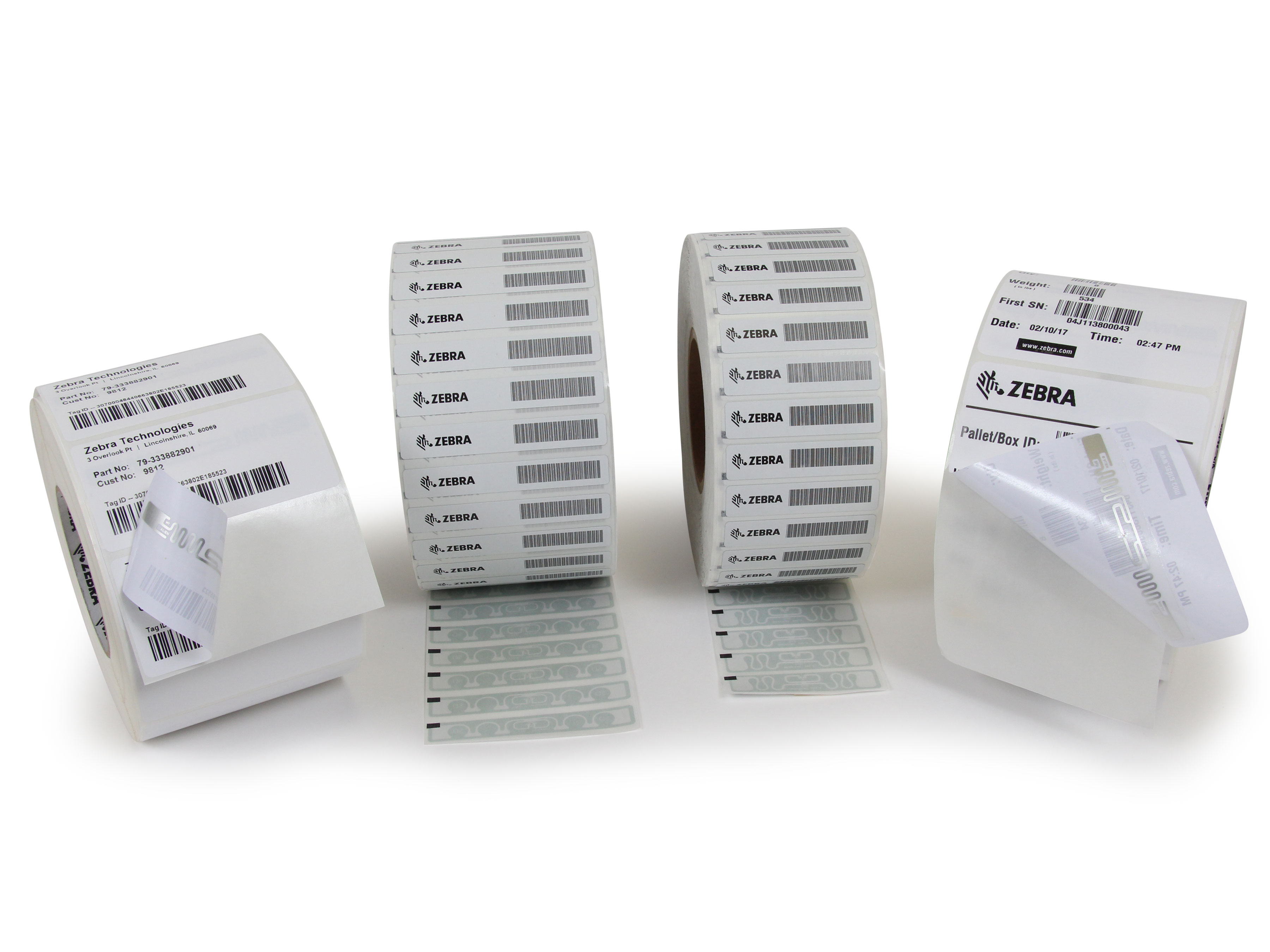
Zebra RFID Labels and Tags — Wide Range of Sizes and Materials
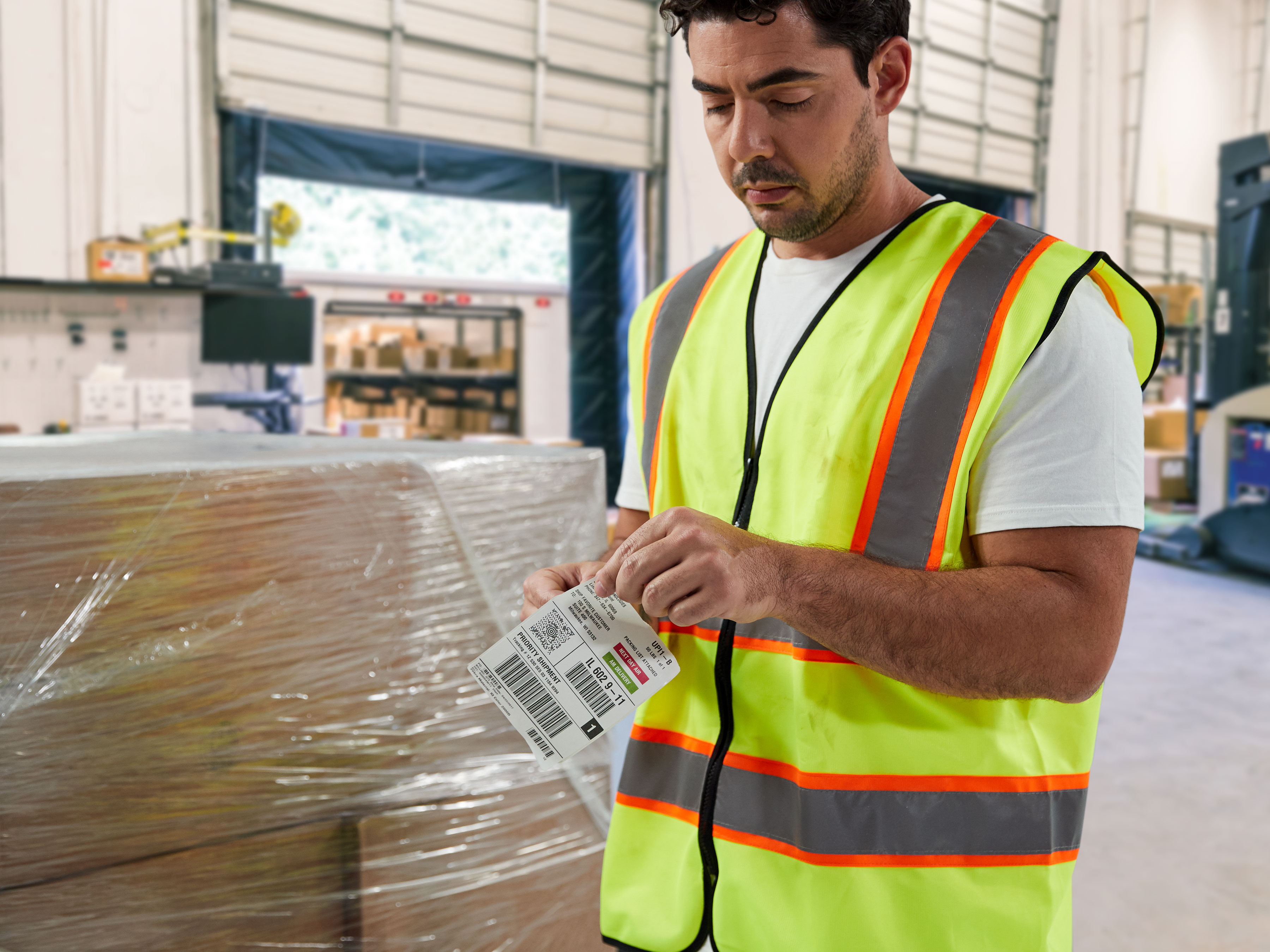
Zebra Barcode Labels and Tags — Direct Thermal and Thermal Transfer Print Supplies
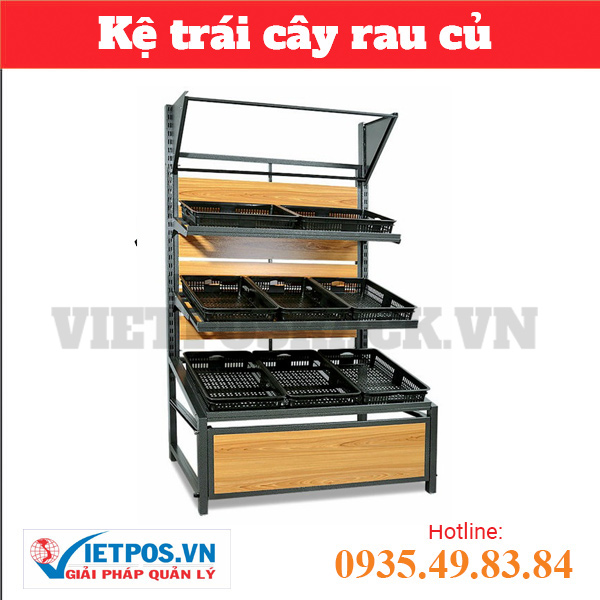
Wood and steel shelf
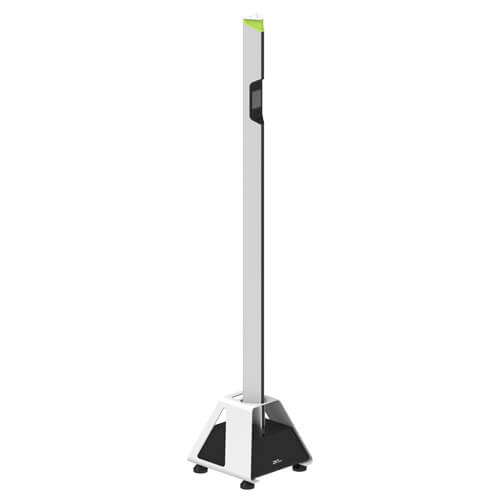
Color Metal and Phone Detector - MDS100
SKU: MDS100Are you looking for products related to this topic?
Việt POS distributes genuine products — 24-36 month warranty, 24/7 technical support.
Key advantages of 2D barcodes: (1) Large capacity — reduces reliance on backend databases; (2) High error tolerance — can be scanned even if 30% of the code is damaged, dirty, or wrinkled; (3) Scans from multiple angles — no precise alignment needed like 1D; (4) URL integration — easily links to detailed information on smartphones.
Detailed Comparison: 1D vs 2D Barcodes
| Criterion | 1D Barcode | 2D Barcode |
|---|---|---|
| Data Structure | One-dimensional (horizontal) | Two-dimensional (horizontal + vertical) |
| Capacity | 20-30 characters | 1000-7000 characters |
| Error Tolerance | 0-10% | 20-30% |
| Scanning Speed | 0.5-2 seconds | 1-3 seconds |
| Printing Cost | Low (0.5-2 VNĐ/item) | Medium (2-5 VNĐ/item) |
| Applications | Retail, supermarkets, simple warehouses | Logistics, cold storage, healthcare, manufacturing |
When should Vietnamese businesses use 1D barcodes?
1D barcodes are suitable for small to medium-sized retail businesses, supermarkets, convenience stores, or warehouses with simple management processes. Advantages include low printing costs, fast scanning speeds, and no need for specialized readers (basic laser scanners are sufficient).
However, 1D barcodes have limitations: low capacity requires linking to a backend database for detailed information; they are not tolerant to damage; and precise alignment is needed during scanning. If a business only needs to track basic product codes (SKU, selling price, inventory), 1D barcodes are a cost-effective choice.
When should professional warehouses use 2D barcodes?
2D barcodes are the optimal choice for logistics, cold storage, manufacturing, healthcare, or high-end retail businesses. Reasons include: (1) Large capacity allows storing full product information without database queries; (2) High error tolerance — can be scanned even in cold storage environments (-18°C) where barcodes are prone to frost or dirt; (3) Fast scanning from smartphones — no need for specialized readers.
According to Việt POS's experience in deploying warehouse management systems for frozen food businesses, using 2D barcodes reduced scanning error rates from 5-8% to 1-2%, saving 20-30% of inventory checking time. Modern 2D readers (camera-based) have also significantly decreased in price, from 2-5 million VNĐ to 1-3 million VNĐ.
Choosing the right 1D and 2D barcode reader
For effective implementation, businesses need to choose readers appropriate for the barcode type. 1D barcode readers are typically laser or basic camera-based, priced at 500K-2 million VNĐ, suitable for retail. 2D barcode readers are industrial cameras or specialized 2D scanners, priced at 1-5 million VNĐ, suitable for professional warehouses.
Việt POS offers professional barcode readers from Zebra, Antech, and leading vendors, supporting both 1D and 2D. The Antech AS2200 – 2D wireless barcode reader is a popular choice for Vietnamese warehouses, featuring 2D scanning capability, good error tolerance, and 8-10 hours of battery life. To optimize processes, businesses should combine these with warehouse management software and professional barcode printers like Zebra ZT411 or TSC TL240.
Learn more about Việt POS's all-in-one warehouse management solutions, including readers, printers, software, and deployment support at branches in HCM, Da Nang, Can Tho, Hanoi.
Need advice on specific equipment/solutions?
Việt POS responds within 30 minutes · 4 regional hotlines · Free survey.
Related products
Related articles

Cần tư vấn thiết bị/giải pháp cụ thể?
Việt POS phản hồi trong 30 phút · Hotline 4 vùng · Khảo sát miễn phí.
Bài viết cùng chủ đề