Mục lục bài viết (9)
- #What are 2D barcode scanners and how do they work?
- #Why do supermarkets and stores need 2D barcode scanners?
- #Popular 2D barcode scanner types for Vietnamese retail
- #Criteria for choosing a 2D barcode scanner for supermarkets, stores
- #Installation and deployment costs for 2D scanners in retail
- #Optimizing sales processes with 2D barcode scanners
- #Next steps — Deploying 2D barcode scanners in your business
- Related products
- Related articles
2D barcode scanners are devices capable of reading codes from any angle, eliminating the need for precise orientation required by traditional 1D scanners. This technology combines rectangles, dots, and hexagons to form QR or Data Matrix barcodes that can be scanned even when rotated, folded, or printed on uneven surfaces.
In supermarket and convenience store retail environments, 2D scanners accelerate checkout speeds by 30-50% compared to manual scanning or 1D scanners, while also reducing data entry errors and improving customer experience. This article provides guidance on selecting suitable 2D scanners, compares popular models, and optimizes deployment processes for Vietnamese retail businesses.
What are 2D barcode scanners and how do they work?
2D barcode scanners are devices that use CCD or CMOS sensors to capture barcode images, then process these images to decode information. Unlike 1D scanners, which only read one-dimensional barcodes (Code 128, EAN-13), 2D scanners can read QR Code, Data Matrix, PDF417—containing richer data (product name, price, expiry date, batch number) in a smaller space.
The scanning speed of common 2D scanners ranges from 100-300 scans/second, depending on the model and barcode complexity. Models like Opticon OPR3201, Xenon XP1952g, and Granit 1990iSR are designed for continuous operation 8-12 hours/day in high-traffic retail environments.
Why do supermarkets and stores need 2D barcode scanners?
Supermarkets and convenience stores need 2D scanners to increase checkout speed, reduce queues, and improve customer experience. 2D scanners allow barcodes to be scanned from any angle—without requiring precise orientation like 1D scanners, reducing rescanning errors by 40-60%.
Bạn đang tìm sản phẩm cho chủ đề này?
Việt POS phân phối chính hãng — bảo hành 24-36 tháng, hỗ trợ kỹ thuật 24/7.
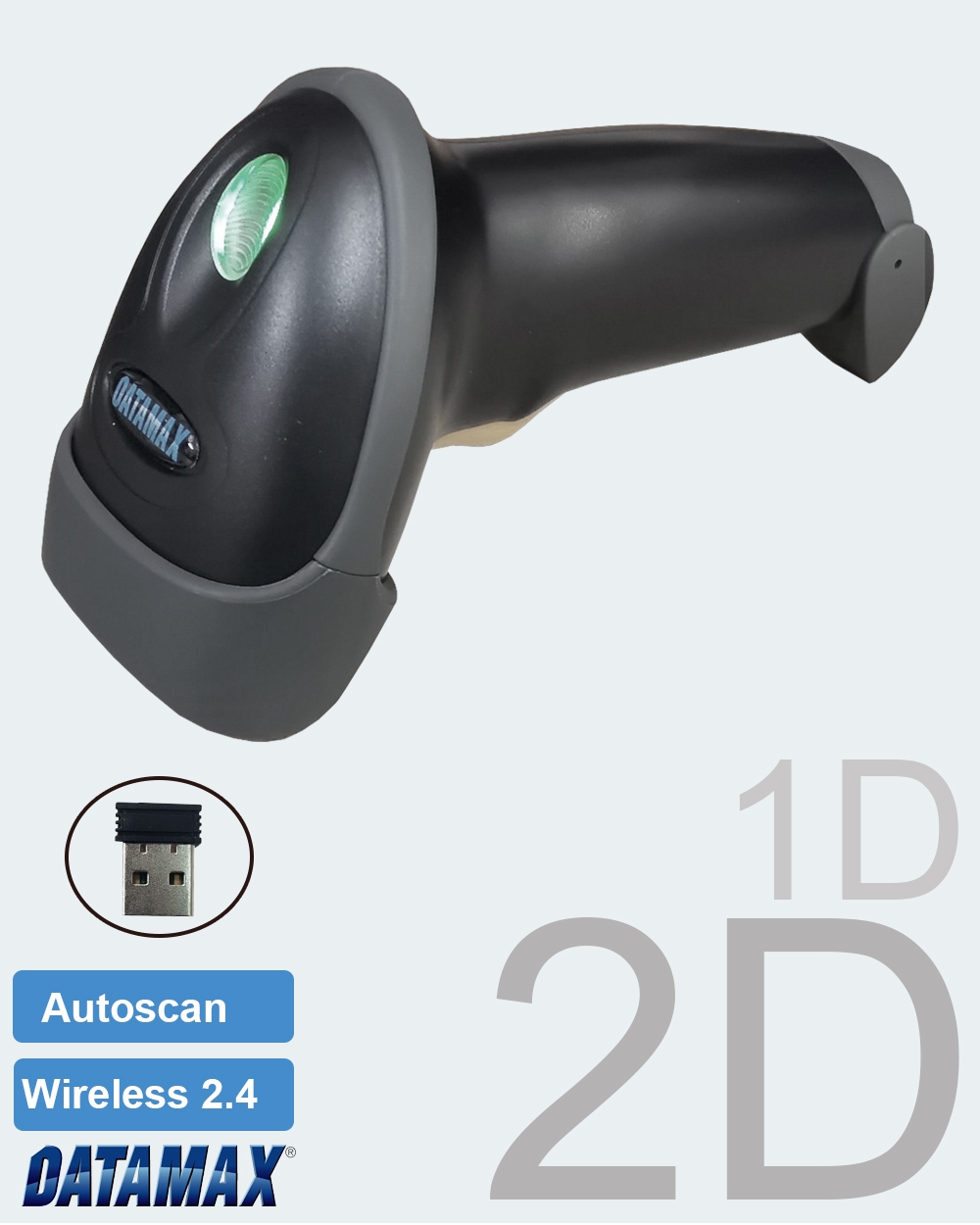
Datamax DT2208W Barcode Scanner – Affordable, Versatile 2D Scanner for All Retail Models
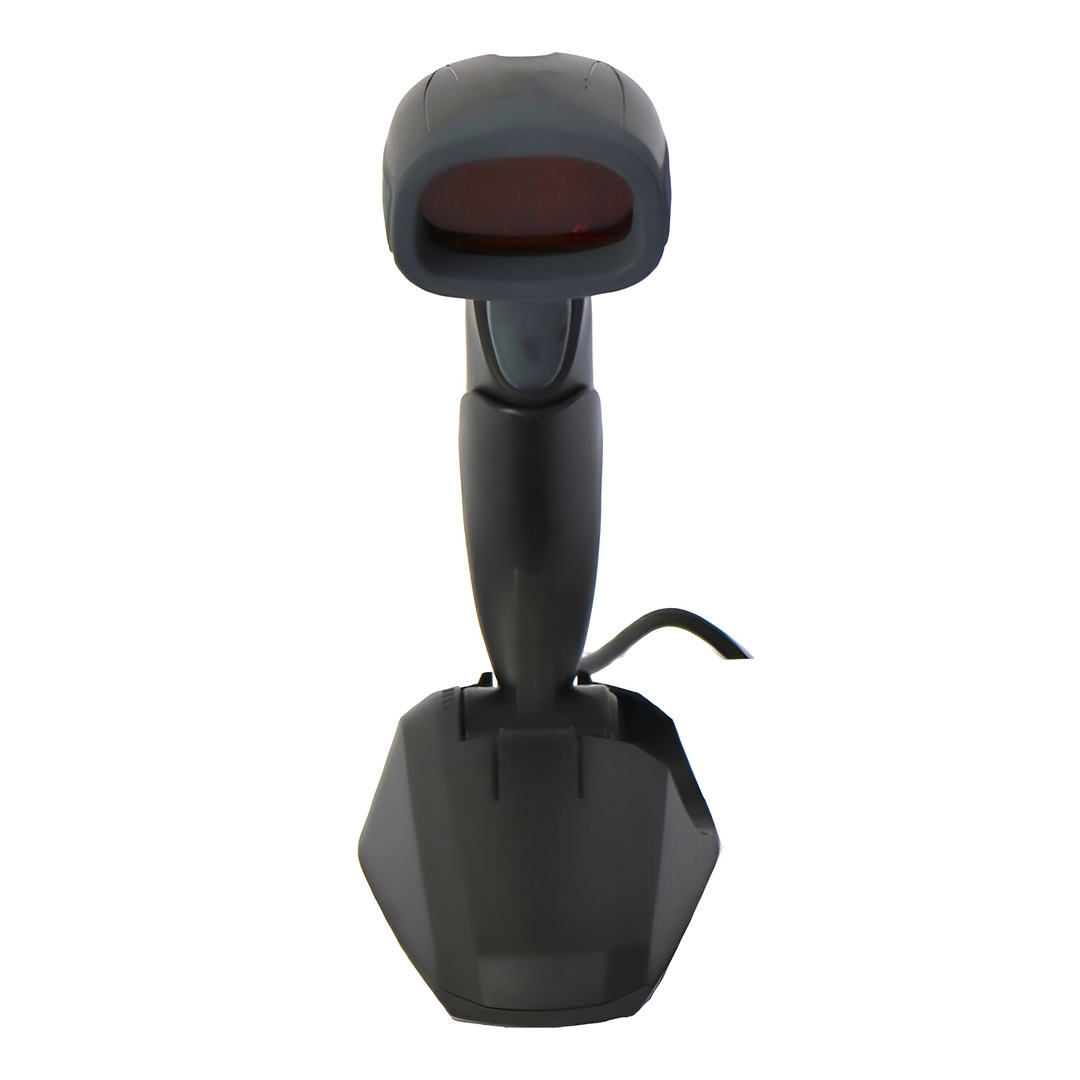
Barcode Scanner SI-2500 (1D & 2D)
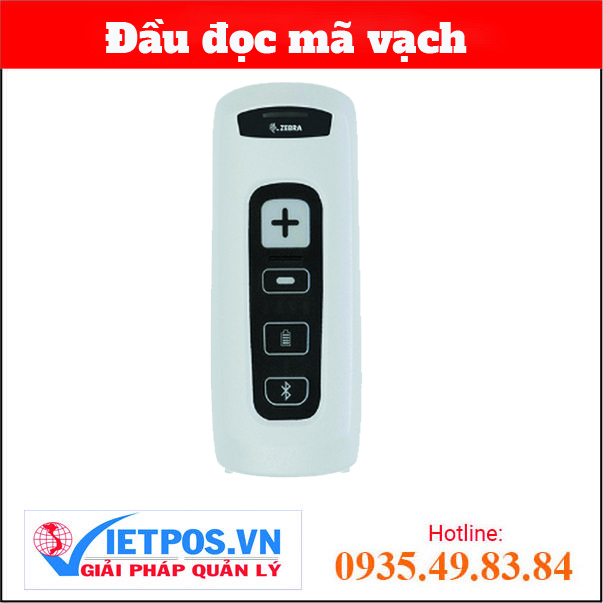
CS4070-HC Zebra Barcode Scanner for Healthcare
SKU: CS4070-HC
Zebra DS4608-SR Barcode Scanner for Retail
SKU: DS4608-SRAre you looking for products on this topic?
Việt POS distributes genuine products — 24-36 month warranty, 24/7 technical support.
Additionally, 2D scanners support scanning from phone screens (mobile payment QR), electronic invoices, and non-standard labels—expanding their application capabilities compared to traditional 1D scanners. Retail chains like Lá Me, Tân Phát, and Đồi Cát have implemented 2D scanners at checkout counters to optimize their processes.
Popular 2D barcode scanner types for Vietnamese retail
The market offers many 2D scanner models with different features. Below is a comparison table of popular models deployed in Vietnamese supermarkets and stores:
| Model | Scan Type | Scan Speed | Estimated Price | Key Advantages |
|---|---|---|---|---|
| Opticon OPR3201 | Handheld, 2D | 100-150 scans/s | 2.5-3.5 million VND | Affordable, high durability, USB/RS232 support |
| Xenon XP1952g | Handheld, 2D | 150-200 scans/s | 4-5 million VND | Cordless, fast scanning, high accuracy |
| Granit 1990iSR | Handheld, Industrial 2D | 200-300 scans/s | 6-8 million VND | Impact-resistant, IP65 waterproof, 24/7 use |
| Opticon M10 | Handheld, Multi-line 2D | 120-180 scans/s | 3-4 million VND | Multi-line scanning, reduces rescanning errors |
All models above support USB, RS232, or Bluetooth connectivity—compatible with most Vietnamese retail POS systems. Việt POS's smart retail solutions integrate these models to optimize checkout processes.
Criteria for choosing a 2D barcode scanner for supermarkets, stores
When choosing a 2D scanner, consider 5 main criteria: scan speed (100-300 scans/s), durability (impact resistance, IP54+ water resistance), connectivity compatibility (USB/RS232/Bluetooth), purchase price (2-8 million VND), and warranty cost (6-12 months).
- Scan Speed: High-traffic supermarkets need ≥150 scans/s to handle 50-100 transactions/hour/counter. Smaller convenience stores can use 100-120 scans/s.
- Durability: Handheld scanners used 8-12 hours/day need to be impact-resistant and IP54-IP65 waterproof. Granit 1990iSR is a choice for harsh environments (warehouses, outdoor sales).
- Connectivity: USB is standard, but Bluetooth is useful for mobile counters. Check compatibility with your current POS before purchasing.
- Price + Warranty: Entry-level 2D scanners (Opticon OPR3201) cost 2.5-3.5 million VND, high-end (Granit 1990iSR) 6-8 million VND. Warranty is 6-12 months, repair costs 500k-1.5 million VND/incident.
- Barcode Support: Ensure the scanner supports QR Code, Data Matrix, EAN-13, Code 128—common standards in Vietnam.
Installation and deployment costs for 2D scanners in retail
2D scanner deployment costs include: scanner purchase (2-8 million VND/scanner), installation + configuration (500k-1 million VND/counter), staff training (200-500k VND), and annual warranty (300-800k VND/scanner). Total cost for a 10-counter supermarket ranges from 30-60 million VND, with a payback period of 12-18 months due to a 15-25% increase in revenue.
Việt POS technical team provides full 2D scanner system installation, POS connection, and staff training services. The deployment process includes:
- Needs assessment: number of counters, transaction volume, current barcode types.
- Model selection: consulting between Opticon, Xenon, Granit based on budget and requirements.
- Installation + configuration: USB/RS232 connection, driver installation, scan testing on the POS system.
- Training: instructing staff on scanning techniques, error handling, daily maintenance.
- Warranty: 24/7 support for the first 12 months, then extended as required.
Retail chains like Lá Me, Tân Phát, and Đồi Cát have successfully deployed with Việt POS—increasing checkout speed by 35-45% and reducing errors by 60-70% within the first 3 months.
Optimizing sales processes with 2D barcode scanners
To optimize sales processes, 2D scanners must be integrated with POS systems, inventory management, and data analytics. 2D scanners enable fast scanning, reduce queues, and provide real-time sales data for management.
Optimization steps:
- POS Integration: Connect 2D scanners to the POS system to automatically update prices, inventory, and promotions. Việt POS's sales management solution supports full integration.
- Fast Scanning: Train staff on proper scanning techniques—hold the scanner 10-20cm from the barcode, scan from top to bottom—reducing rescanning errors by 40-60%.
- Inventory Management: Use 2D scanners to scan warehouse barcodes, update inventory in real-time, and prevent out-of-stock sales.
- Data Analytics: Collect scanning data to analyze best-selling products, peak hours, and optimize staffing.
- Promotions: Scan QR Codes to activate promotions, loyalty points, or mobile payments—enhancing customer experience.
Next steps — Deploying 2D barcode scanners in your business
Việt POS technical team provides free surveys and consultations to select 2D scanner models suitable for your store's scale, transaction volume, and budget. Contact hotline 0935 498 384 or our branch offices for support in optimizing your sales processes.
Need specific equipment/solution consultation?
Việt POS responds within 30 minutes · 4 regional hotlines · Free survey.
Related products
Related articles

Cần tư vấn thiết bị/giải pháp cụ thể?
Việt POS phản hồi trong 30 phút · Hotline 4 vùng · Khảo sát miễn phí.
Bài viết cùng chủ đề