Mục lục bài viết (8)
- What is RFID? Operating principles and main applications
- What is Barcode? When is it still the optimal choice?
- Detailed Comparison of RFID and Barcode: 7-Criterion Reference Table
- Choose by Use Case: 3 Typical Scenarios for Vietnamese Businesses
- Advantages and Disadvantages of RFID and Barcode: Pro/Con Grid
- Investment Cost: ROI When Choosing RFID vs Barcode
- Hybrid Solution: Combining RFID and Barcode for Transitioning Businesses
- Frequently Asked Questions
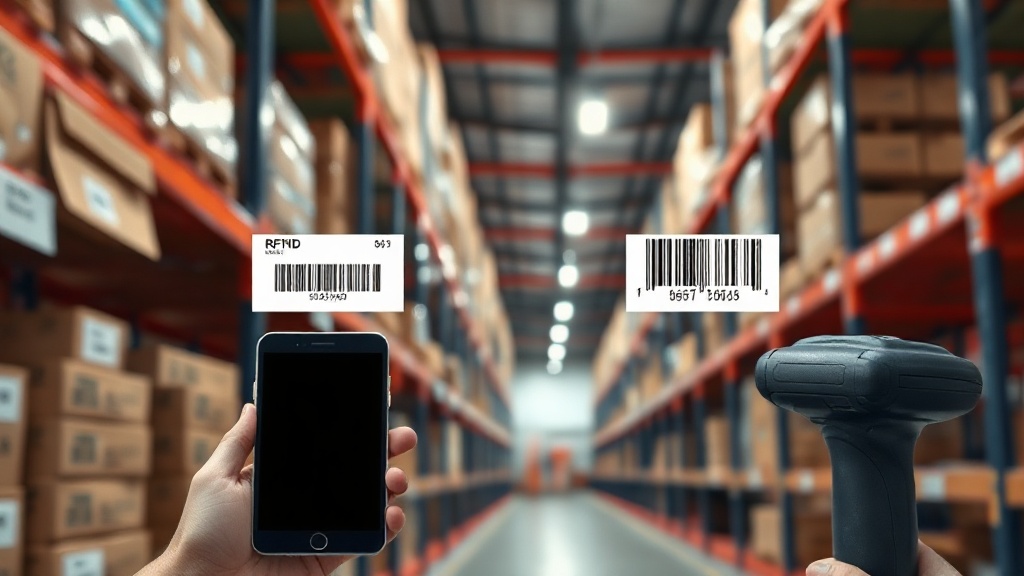
RFID (Radio Frequency Identification) and barcode are two core automatic identification technologies in warehouse and retail management. This article compares A vs B — based on cost, read speed, accuracy, and scalability — to help you choose the technology that fits your scale and budget in 2026.
What is RFID? Operating principles and main applications
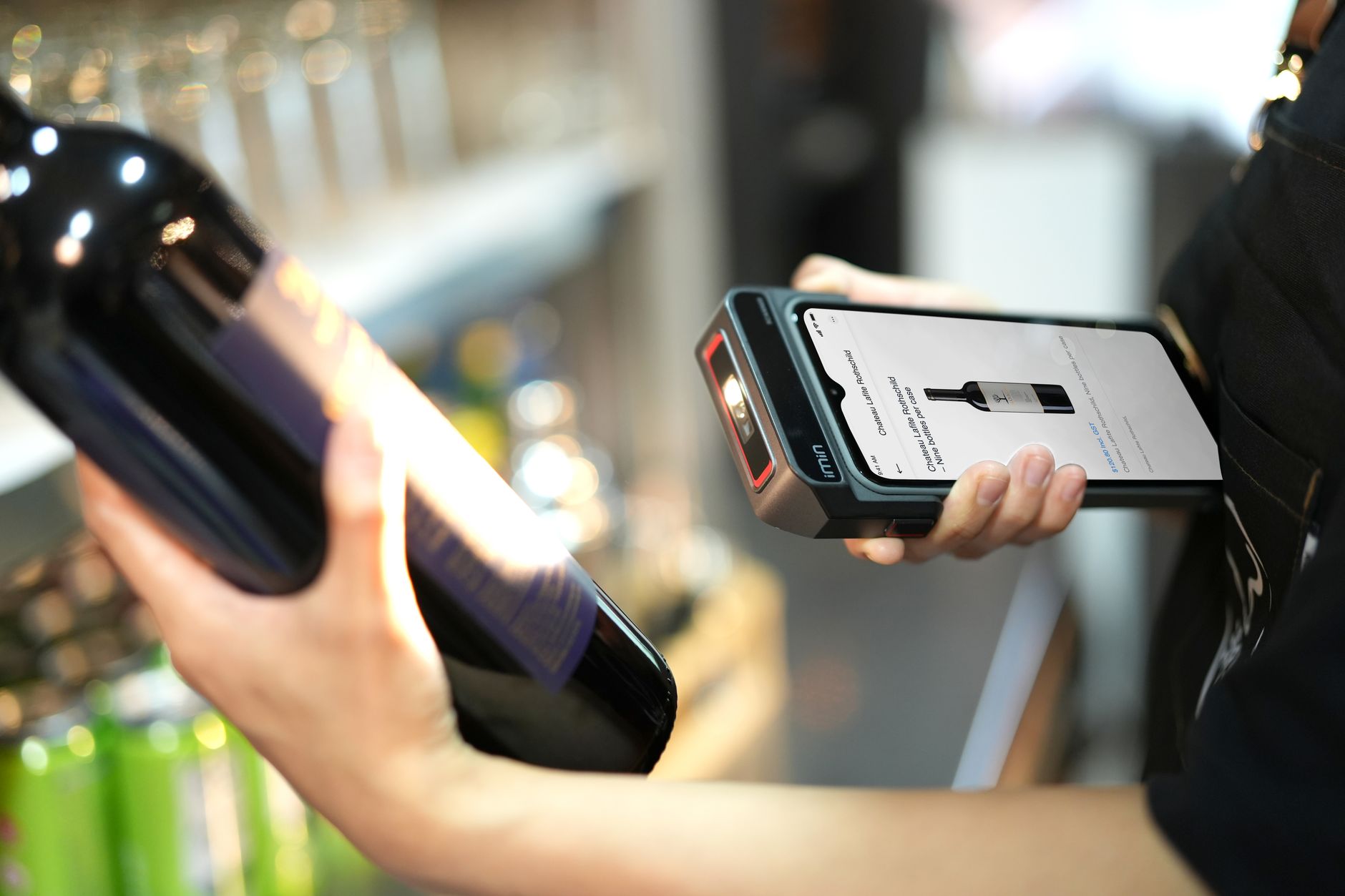
RFID (Radio Frequency Identification) uses radio waves to read and write data from tags attached to products without requiring line-of-sight. A basic RFID system consists of: RFID tag, reader, and antenna. The reader transmits radio waves, and the tag responds with a unique identifier. Reads 50-200 tags per second within a 3-10 meter radius (depending on UHF frequency). Main applications: fast inventory (10-15 times faster than manual), asset management, stock control for fashion retail chains, and product traceability.
What is Barcode? When is it still the optimal choice?

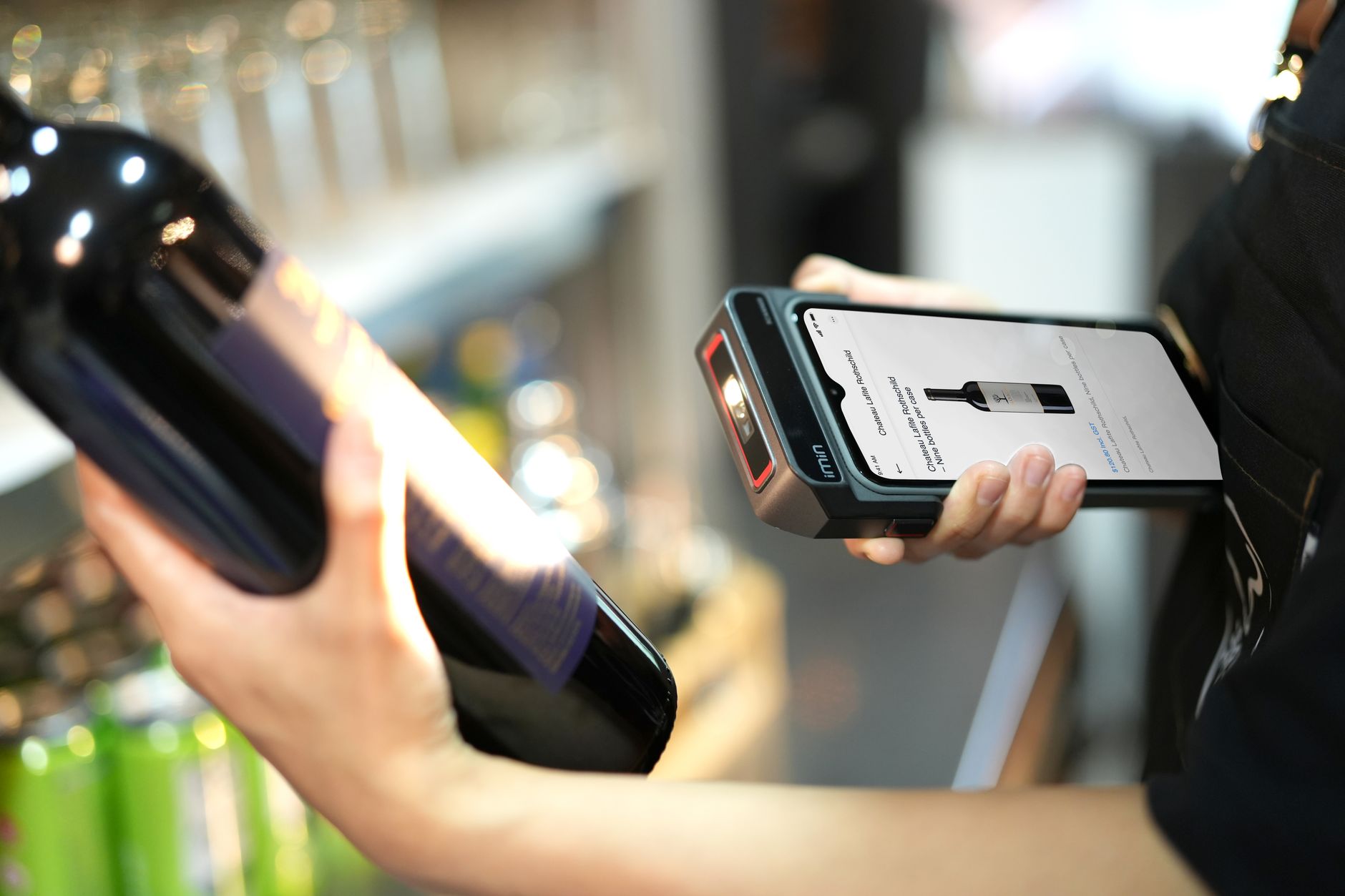
Barcode is technology that prints parallel black-and-white lines to store data optically. Barcode scanners emit a laser beam or camera to read and decode. Requires line-of-sight; reads only one code per scan. Low cost: barcode label decals cost only 50-200 VND per unit, scanners range from 1-5 million VND. Suitable for mini supermarkets, general stores, checkout counters, and businesses with limited budgets. Read accuracy reaches 99.5% if labels are not wrinkled or dirty.
Bạn đang tìm sản phẩm cho chủ đề này?
Việt POS phân phối chính hãng — bảo hành 24-36 tháng, hỗ trợ kỹ thuật 24/7.
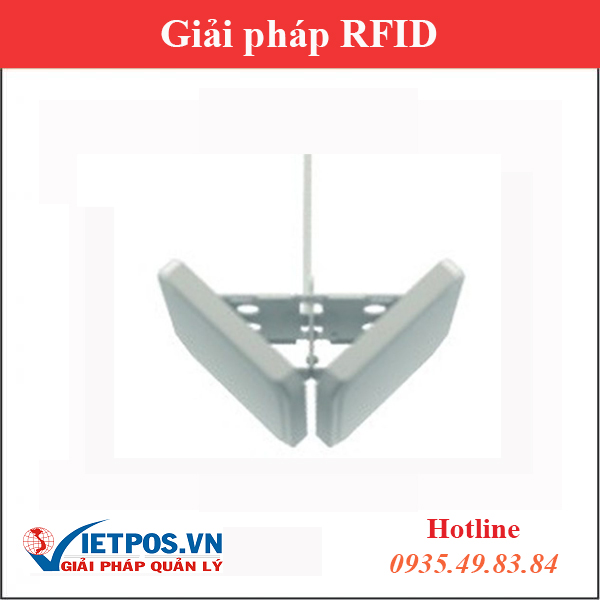
Zebra SR5502 RFID Antenna for Backroom and Warehouse
SKU: SR5502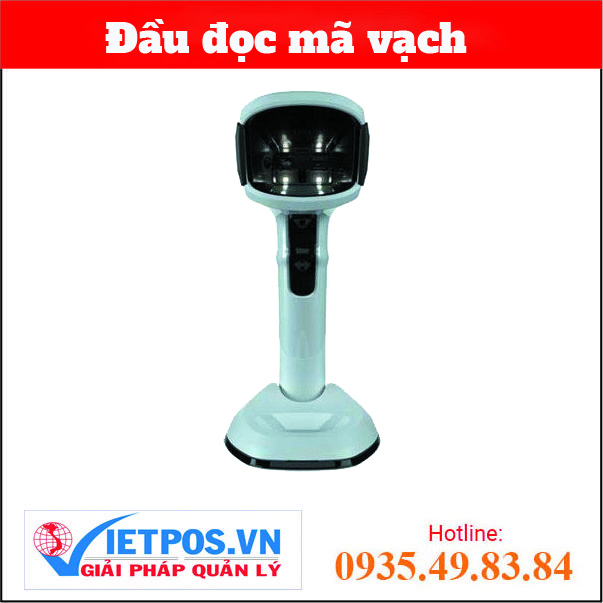
Zebra DS9908R RFID Corded Barcode Reader
SKU: DS9908HD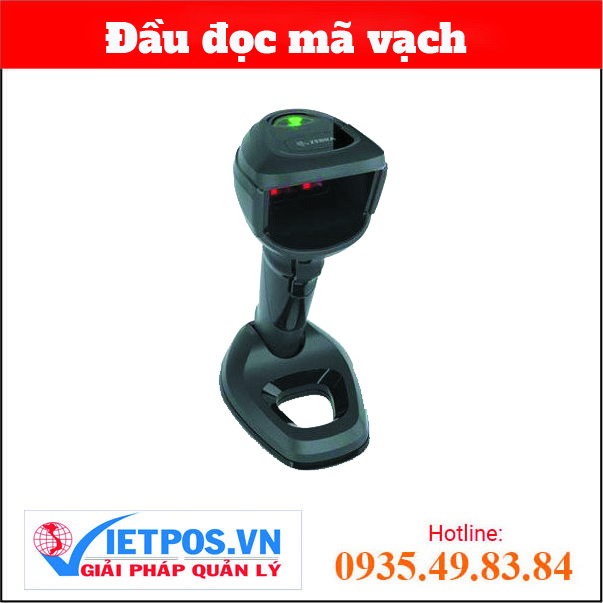
DS9908R RFID Corded Barcode Reader
SKU: DS9908R RFID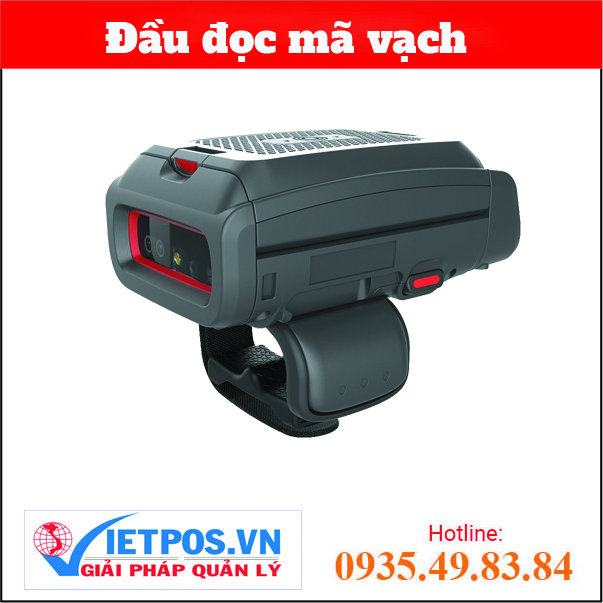
8690i Wearable RFID Barcode Scanner
SKU: 8690iDetailed Comparison of RFID and Barcode: 7-Criterion Reference Table
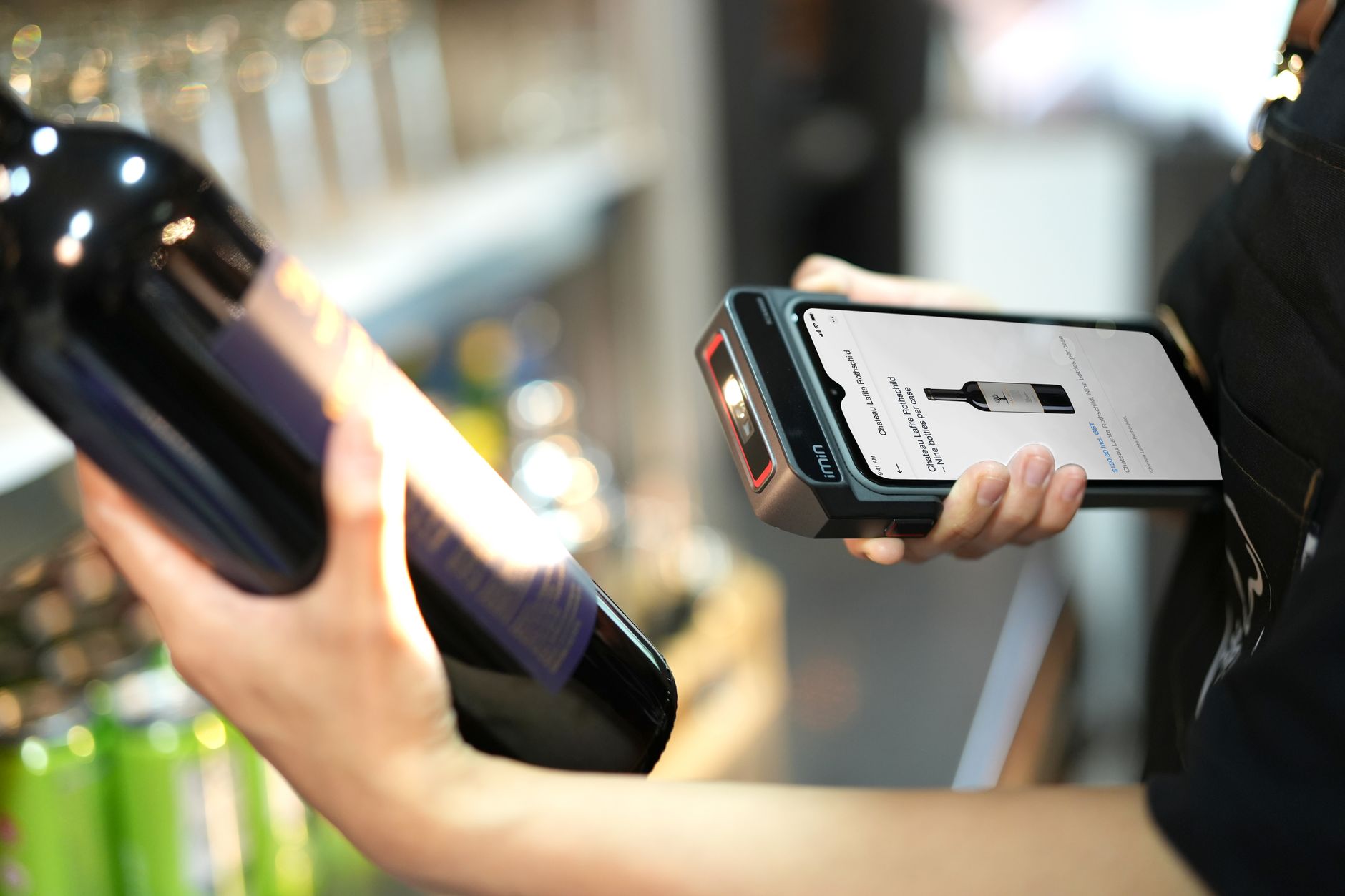
Below is a comparison table of RFID and barcode based on seven operational and cost criteria for Vietnamese businesses. The table highlights the "Best" cell for each criterion.
| Criterion | Barcode | RFID (UHF) | Notes |
|---|---|---|---|
| Read Speed | 1-3 seconds per code (scan individually) | 50-200 tags per second (batch read) | RFID 50-100 times faster |
| Tag Cost | 50-200 VND per label | 2,000-8,000 VND per tag | Barcode 20-40 times cheaper |
| Reader Cost | 1-5 million VND | 5-30 million VND | RFID reader 3-6 times more expensive |
| Read Range | 0-30 cm (requires line-of-sight) | 3-10 meters (no line-of-sight needed) | RFID superior |
| Inventory Accuracy | 85-95% (prone to manual error) | 97-99.5% (automated) | RFID more accurate |
| Data Write Capability | Read-only | Read-write | RFID allows data updates |
| Environmental Durability | Labels tear easily, dirt causes read errors | Resistant to moisture, heat, chemicals | RFID more durable |
Choose by Use Case: 3 Typical Scenarios for Vietnamese Businesses
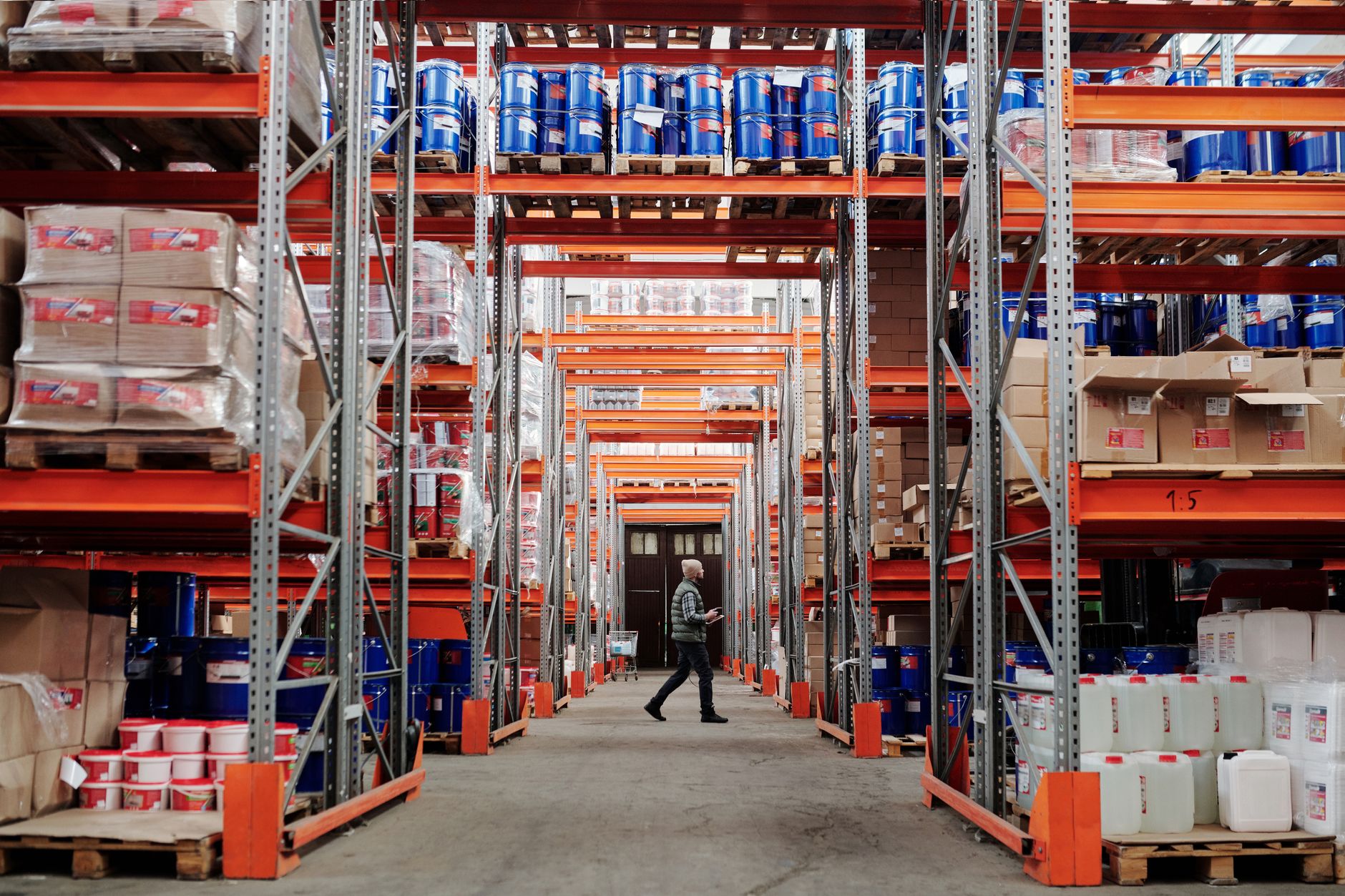
Each business type has different needs. Below are three specific use cases with technology recommendations.
Use Case 1: Mini supermarket or general store (under 200m²)
Recommendation: Barcode. Reason: 500-2,000 SKUs, limited budget (under 20 million VND), staff can scan items individually at checkout. Investing in a Honeywell 1900 or Zebra DS2208 barcode scanner (3-5 million VND) is sufficient. Barcode label sticker cost is only 100-200 VND per unit.
Use Case 2: Fashion chain or electronics retailer (3-10 locations)
Recommendation: RFID + Barcode (hybrid). Reason: need fast inventory of 5,000-20,000 SKUs monthly, reduce shrinkage. Use Chainway C66 handheld RFID reader (approximately 12-18 million VND) to read 200 tags per second. Maintain barcode on price tags for fast checkout. Inventory accuracy increases from 70% to 97-99%.
Use Case 3: Distribution warehouse or manufacturing facility (over 1,000m²)
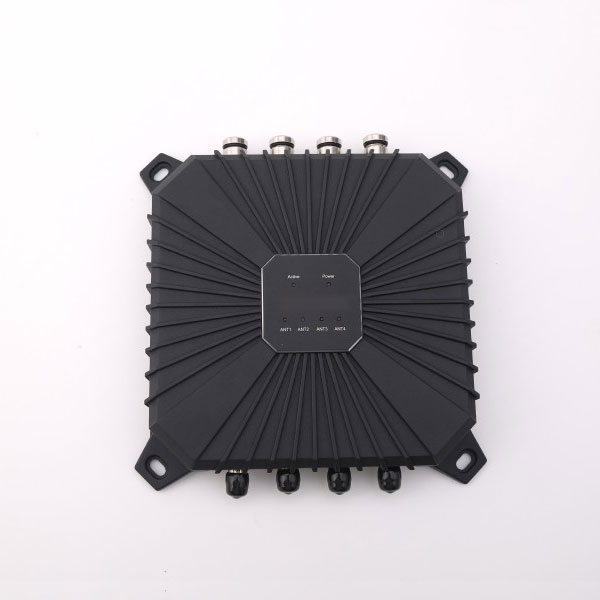
Recommendation: Full RFID deployment. Reason: need to control inbound/outbound goods, track batch numbers, reduce 80% of inventory time. Invest in Chainway UR4 fixed RFID reader (4 ports, 25-35 million VND) installed at warehouse entrance, combined with RFID tags on pallets. Initial investment of 100-200 million VND but breaks even in 12-18 months through reduced errors and increased productivity.
Advantages and Disadvantages of RFID and Barcode: Pro/Con Grid
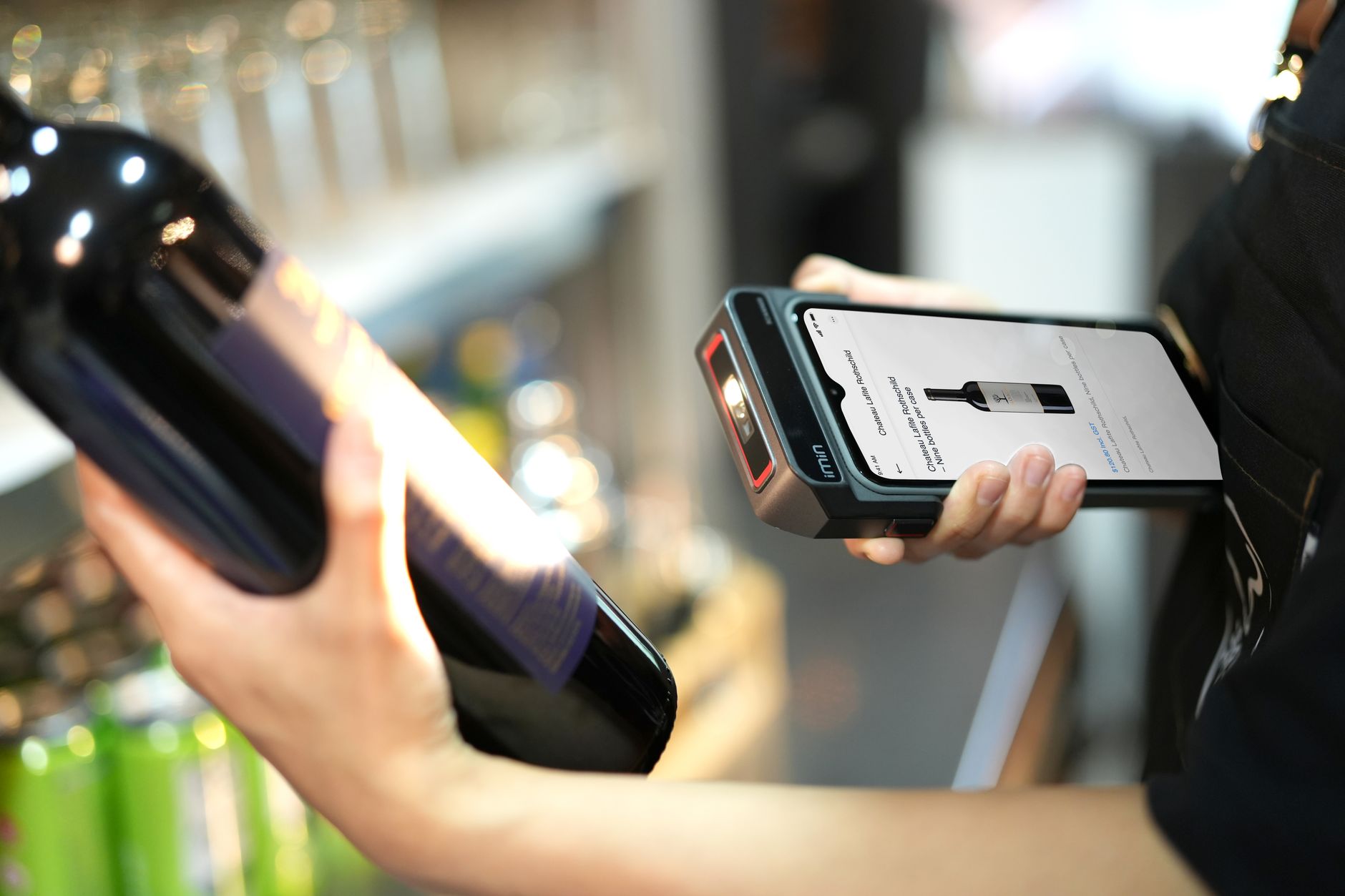
Below is an overview of advantages and disadvantages of each technology to help you evaluate quickly before making a decision.
Barcode
- Low cost: labels 50-200 VND, scanners 1-5 million VND
- Easy deployment, staff familiar with use
- Global standard, compatible with all POS systems
- No power required for tag
- Reads only one code per scan
- Requires line-of-sight
- Labels tear easily, dirt causes read errors
- Cannot add more data
RFID (UHF)
- Batch read 50-200 tags per second
- No line-of-sight needed, reads through cardboard boxes
- Inventory accuracy 97-99.5%
- Tags can read/write data multiple times
- High tag cost: 2,000-8,000 VND per tag
- Expensive readers: 5-30 million VND
- RF interference from metal/liquids
- Requires specialized management software
Investment Cost: ROI When Choosing RFID vs Barcode

Cost is a decisive factor for small and medium enterprises. Below is cost analysis and payback time for two common scenarios.
For a 100m² retail store (1,000 SKUs): barcode investment totals 5-10 million VND (scanner + labels). For a 500m² warehouse (10,000 SKUs, turns 3-5 times monthly): RFID investment totals 150-250 million VND (fixed reader + 10,000 tags + software). RFID ROI reaches 8-14 months by reducing 80% of inventory time (from 2 days to 2 hours), reducing shrinkage 3-5%, and increasing inbound/outbound productivity 40%. See more RFID UHF application for accelerated warehouse inventory 10 times faster.
Hybrid Solution: Combining RFID and Barcode for Transitioning Businesses
Many Vietnamese businesses choose a hybrid approach — using barcode for checkout and RFID for warehouse inventory. This reduces initial investment 30-50% compared to full RFID deployment.
Example: 5-location fashion retail chain. Each product has a barcode label (checkout) plus a hard RFID tag inside (inventory). Use Chainway C61 handheld RFID reader (10-meter range) to scan entire warehouse in 15 minutes. POS still uses barcode for fast payment. Hybrid cost: 50-80 million VND per location (3,000 VND RFID tag + 12-18 million VND reader + software).
Frequently Asked Questions
Will RFID completely replace barcode in retail?
No. Barcode remains the payment standard at checkout due to low cost and fast scan speed (under 0.5 seconds). RFID supplements barcode in back-office: inventory, stock management, loss prevention. Forecast by 2028, 60-70% of major retail chains in Vietnam will use RFID + barcode hybrid.
Is RFID investment worth it for a 50m² store?
If the store has under 500 SKUs and monthly revenue under 200 million VND, RFID investment is not yet necessary. Barcode is sufficient. For a 50m² store with fast inventory turns (FMCG, fashion) and shrinkage above 3%, RFID can break even in 12-18 months. Start with hybrid: handheld reader 12 million VND + 500 RFID tags (2 million VND).
How to integrate RFID with existing POS system?
Most RFID readers (Chainway, Zebra) support communication via USB, Bluetooth, or Wi-Fi. Middleware software is needed to transfer data from reader to POS. Việt POS provides RFID integration module for popular POS software, cost 5-10 million VND. Process: scan RFID → update inventory realtime → POS displays new quantity.
Can RFID read through cardboard boxes?
RFID UHF (860-960 MHz) can read through cardboard, fabric, thin plastic at 3-5 meter distance. With metal materials or liquids (water bottles, milk boxes), on-metal RFID tags or adjusted read angle is needed. Read efficiency through cardboard reaches 95-98% with correct power and antenna settings.
Which RFID reader brand should Vietnamese businesses buy?
Chainway is the most popular choice in Vietnam due to competitive pricing (20-30% cheaper than Zebra/Honeywell), Android support, and easy integration. Product lines: Chainway C66 (handheld), Chainway UR4 (fixed), Chainway R2 (Bluetooth). Zebra and Honeywell offer higher durability but cost 1.5-2 times more. Việt POS distributes authorized models from all three brands with 12-24 month warranty.
Cần tư vấn thiết bị/giải pháp cụ thể?
Việt POS phản hồi trong 30 phút · Hotline 4 vùng · Khảo sát miễn phí.
Bài viết cùng chủ đề