Mục lục bài viết (9)
- #How does RFID technology work in inventory management?
- #What are the benefits of RFID technology compared to traditional inventory checking?
- #What types of warehouses are suitable for RFID technology?
- #How much does it cost to implement RFID technology?
- #What is the end-to-end RFID implementation process?
- #What are the challenges of RFID implementation and how to overcome them?
- #Next Steps
- Related products
- Articles on the same topic
Manual inventory checking is time-consuming, prone to errors, and makes tracking actual stock difficult. RFID (Radio Frequency Identification) technology offers a modern solution, helping Vietnamese businesses automate the process of receiving, issuing, and checking goods in the warehouse quickly and accurately.
RFID is a radio frequency identification technology where each tag contains a chip recording a UID (unique identifier), allowing data to be read from 0.5m to 10m depending on the reader type and frequency. Without needing to scan each barcode, RFID can read dozens of tags simultaneously, saving 50-70% of inventory checking time compared to traditional barcodes.
How does RFID technology work in inventory management?
An RFID system consists of three main components: RFID tags (chip + antenna attached to goods), readers (radio wave reading devices), and warehouse management software. When goods pass through an RFID gate or a reader scans them, tag data is instantly recorded into the system, updating actual inventory without manual recording by staff.
The RFID inventory checking process is as follows:
- Attach RFID tags to each product or carton upon warehouse entry.
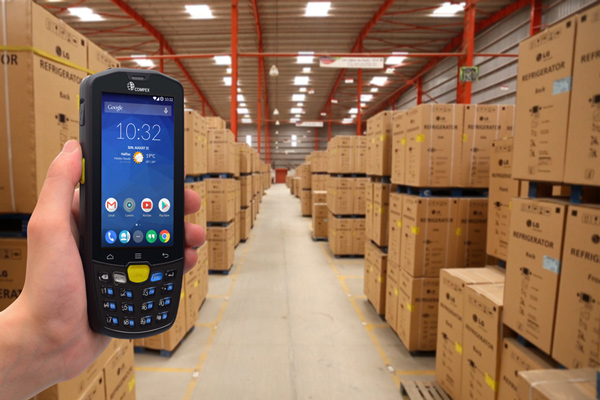
- Use a handheld reader or fixed reader at the warehouse gate to scan tags.
- Data is synchronized with the warehouse management software, updating actual inventory.
- The system automatically alerts if missing goods, incorrect locations, or inventory discrepancies are detected.
What are the benefits of RFID technology compared to traditional inventory checking?
RFID helps reduce inventory checking time by 50-70%, reduces errors by 30-50%, increases staff efficiency by 25-35%, and improves inventory accuracy to 95-99%. Operating costs are reduced by 20-30% due to automation, while also reducing inventory loss through strict control.
Bạn đang tìm sản phẩm cho chủ đề này?
Việt POS phân phối chính hãng — bảo hành 24-36 tháng, hỗ trợ kỹ thuật 24/7.
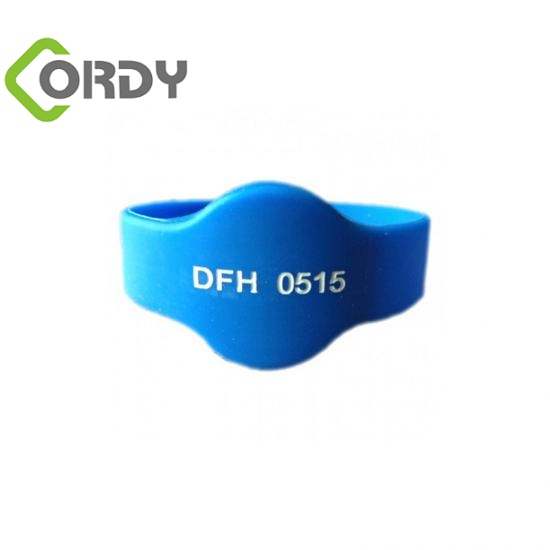
UHF ISO18000-6C RFID Long Range Bracelet / Wristband RFID
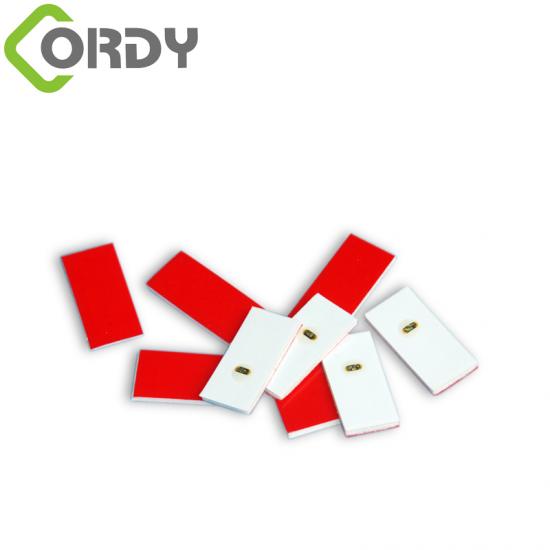
RFID NFC Dry Wet Inlay 13.56MHz — RFID Tags in Roll/Sheet Form
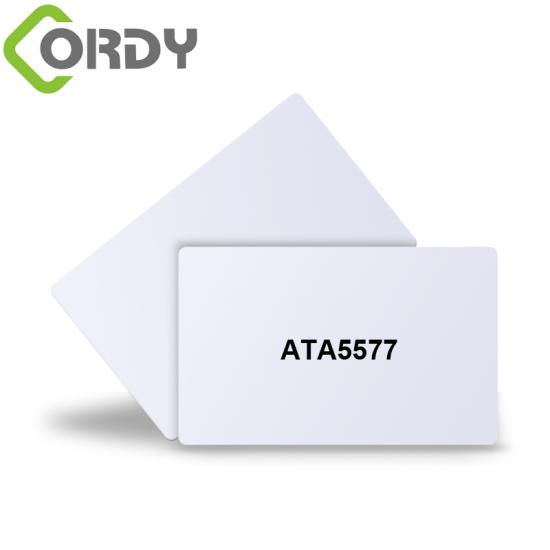
125KHz EM4305 Disposable RFID Syringe With RFID Animal Glass Tag
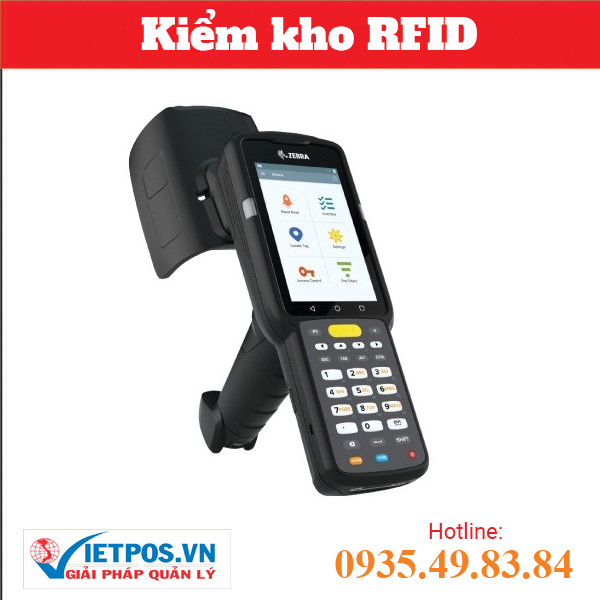
Zebra MC3390XR - RFID Inventory
Are you looking for products related to this topic?
Việt POS distributes genuine products — 24-36 month warranty, 24/7 technical support.
Compared to traditional barcodes, RFID has outstanding advantages:
| Criteria | Barcode | RFID |
|---|---|---|
| Scan Speed | 1-2 items/second (scanned individually) | 10-50 items/second (batch reading) |
| Reading Distance | 0-30cm (requires line of sight) | 0.5-10m (through materials) |
| Accuracy | 90-95% | 95-99% |
| Tag Cost | 500-2,000 VND/item | 3,000-15,000 VND/item (reusable) |
| Inventory Check Time | 4-6 hours (500m² warehouse) | 1-2 hours (500m² warehouse) |
What types of warehouses are suitable for RFID technology?
RFID is suitable for retail, logistics, manufacturing, pharmaceutical, food, and cold storage warehouses. It is particularly effective for warehouses with large inventories (>5,000 SKUs), sizes of 500m² or more, or those requiring frequent inventory checks (daily/weekly).
Industries effectively applying RFID:
- Fashion retail, electronics: fast inventory checks, reduced missing items.
- Logistics, warehousing: tracking containers, pallets, reducing delivery errors.
- Manufacturing: managing raw materials, semi-finished products, optimizing production lines.
- Pharmaceuticals, food: ensuring traceability, regulatory compliance.
- Cold storage: RFID tags withstand temperatures from -20°C to 60°C, operating stably.
How much does it cost to implement RFID technology?
RFID implementation costs range from 80-300 million VND depending on warehouse size, number of tags, and reader type. Small warehouses (500m², 2,000 SKUs) cost about 80-120 million; medium warehouses (1,500m², 5,000 SKUs) about 150-200 million; large warehouses (3,000m², 10,000+ SKUs) about 250-300 million.
Cost breakdown:
- Fixed gate reader: 15-40 million/unit (Hikvision, ZKTeco, Suprema).
- Handheld reader: 8-20 million/unit.
- RFID tag: 3,000-15,000 VND/item (reusable for 3-5 years).
- Warehouse management software: 10-30 million/year (or perpetual license 30-50 million).
- Installation, configuration, training: 10-20 million.
Return on investment is typically 12-24 months due to labor savings, reduced losses, and increased efficiency.
What is the end-to-end RFID implementation process?
RFID implementation involves 5 main steps: warehouse survey, equipment selection, infrastructure setup, software integration, and staff training. The entire process takes 4-8 weeks depending on warehouse complexity.
- Warehouse Survey: Measure area, determine reader locations, check environment (temperature, humidity, wall materials). Cold and metal warehouses require special attention as they affect RFID signals.
- Equipment Selection: Choose appropriate readers (fixed gates for warehouse entrances, handheld for mobile inventory checks), RFID tags (UHF 860-960MHz is most common), antennas, cables.
- Infrastructure Setup: Install readers at gates, inventory checking areas; lay network cables, provide power; configure RFID frequency according to Vietnamese regulations (TCVN 9505:2012).
- Software Integration: Connect readers with warehouse management software, configure inbound/outbound processes, inventory checks, and stock alerts.
- Staff Training: Provide guidance on using handheld readers, reading reports, and troubleshooting.
What are the challenges of RFID implementation and how to overcome them?
Key challenges include high tag costs, signal obstruction by metal/water, and the need for staff training. Overcome these by choosing reusable tags, optimizing reader placement, and providing thorough training.
Common issues:
- Weak signal: Warehouses with metal walls, machinery, or water can cause interference. Solution: install additional antennas, adjust reader power, or use tags with stronger antennas.
- High tag cost: If tags are attached to individual items, costs increase. Solution: attach tags to cartons/pallets instead of individual products, or use reusable tags.
- Staff unfamiliarity: Requires thorough training and initial support. Solution: organize workshops, provide instructional materials, 24/7 support for the first 3 months.
- Complex software integration: If the warehouse uses existing software, data synchronization is needed. Solution: choose an experienced integration provider, or upgrade the software.
Based on Việt POS's experience implementing RFID for Vietnamese retail and logistics businesses, warehouses that follow the correct process typically achieve maximum efficiency within the first 2-3 months.
Next Steps
Việt POS technical team provides free surveys and consultations to select RFID configurations suitable for warehouse scale and budget. Contact hotline 0935 498 384 or refer to:
Need specific equipment/solution consultation?
Việt POS responds within 30 minutes · 4 regional hotlines · Free survey.
Related products
Articles on the same topic

Cần tư vấn thiết bị/giải pháp cụ thể?
Việt POS phản hồi trong 30 phút · Hotline 4 vùng · Khảo sát miễn phí.
Bài viết cùng chủ đề