Mục lục bài viết (7)
In the era of Industry 4.0, barcodes have become crucial tools for businesses to effectively manage products, warehousing, and supply chains. However, not all printed barcodes meet quality standards. Minor errors such as faint printing, incorrect dimensions, or poor contrast can lead to unreadable barcodes, directly impacting production and distribution processes. To address this issue, barcode verifiers emerged as an indispensable solution, helping businesses ensure barcode quality before products enter the market.
1. What is a barcode verifier?
A barcode verifier is a specialized device used to measure and evaluate barcode quality based on international standards such as ISO/IEC. Unlike conventional barcode scanners that merely read data, barcode verifiers provide detailed parameters such as:
-
Print Contrast Signal (PCS)
-
Light and dark reflectance of bars and spaces
-
Bar width and uniformity
-
Scan angle and readability in different environments
-
Grading according to A, B, C, D, or F scale
In other words, a barcode verifier not only determines if a code is readable but also confirms the barcode's compliance with global quality standards.
2. Uses of barcode verifiers
a. Ensuring product quality
By checking clarity and scanability, the device helps businesses avoid the risk of products being returned or rejected from inventory due to barcode errors.
Bạn đang tìm sản phẩm cho chủ đề này?
Việt POS phân phối chính hãng — bảo hành 24-36 tháng, hỗ trợ kỹ thuật 24/7.
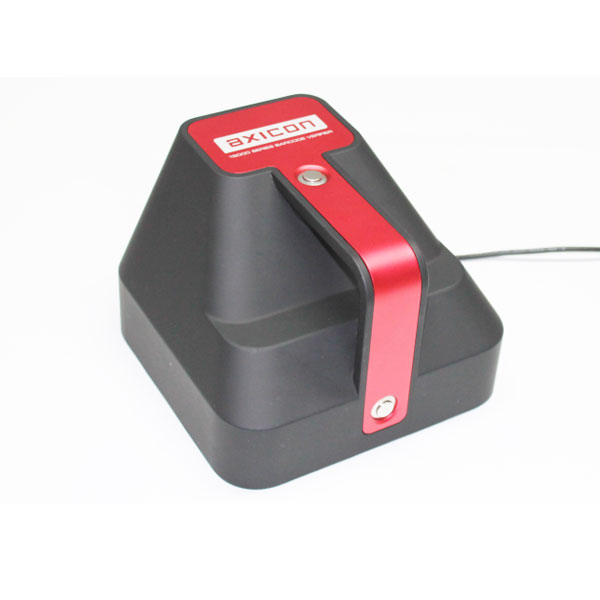
Axicon 15500 Barcode Verifier
Xprinter XP-350 Plus Barcode Printer (Barcode + Bill Printing)
SKU: XP-350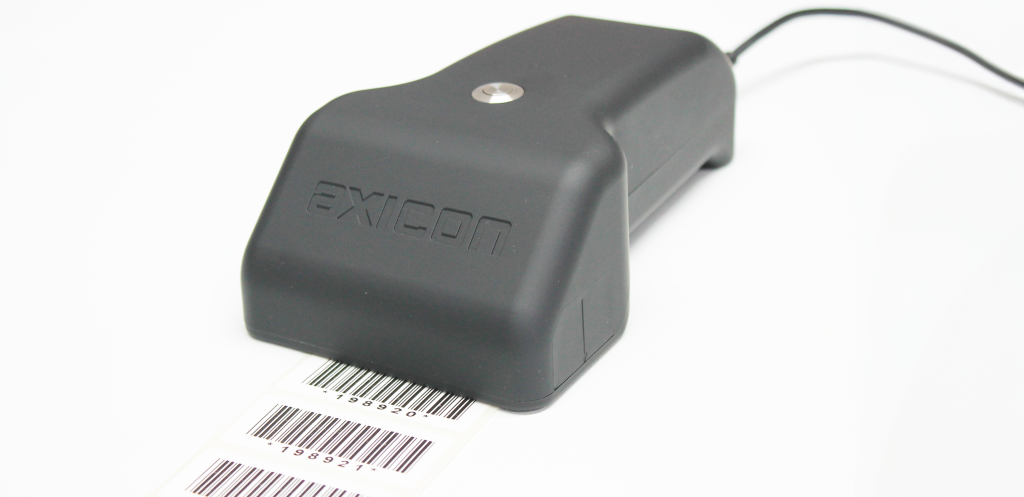
6100-S Retail Barcode Verifier
SKU: 6100-S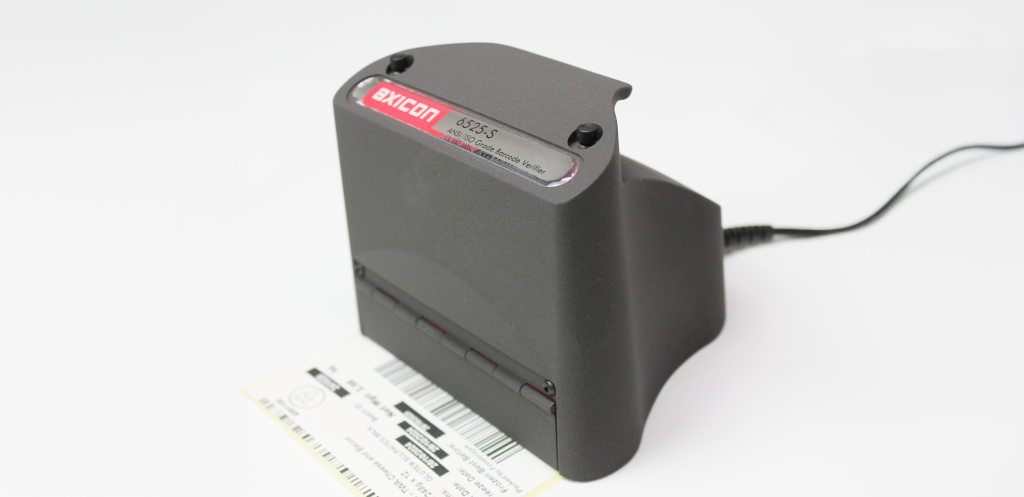
6515 Mid-Range Barcode Verifier
b. Supporting international standard compliance
Many industries, such as pharmaceuticals, electronics, and food, require barcodes to meet GS1, ISO, or FDA standards. Barcode verifiers provide transparent reports to prove that products meet these requirements.
c. Reducing incurred costs
If barcode printing errors are detected at the factory, businesses can promptly address them instead of letting faulty goods circulate in the market, avoiding significant losses.
d. Improving production efficiency
The verification process is fast and accurate, shortening manual inspection time and increasing production line speed.
e. Protecting business reputation
Accurate barcodes build trust with partners, customers, and distributors, contributing to enhancing brand image.
3. Applications in industrial manufacturing
Barcode verifiers are widely used in many manufacturing and business sectors:
- Food & beverage industry
Ensuring barcodes on packaging meet scanning standards at supermarkets, convenience stores, and international warehouses.
- Pharmaceutical industry
Requires absolutely accurate barcodes for managing product batches, expiration dates, and complying with health authority regulations.
- Electronics industry
Every component, circuit board, or electronic device needs a standard barcode for traceability in the global production chain.
- Logistics & warehousing industry
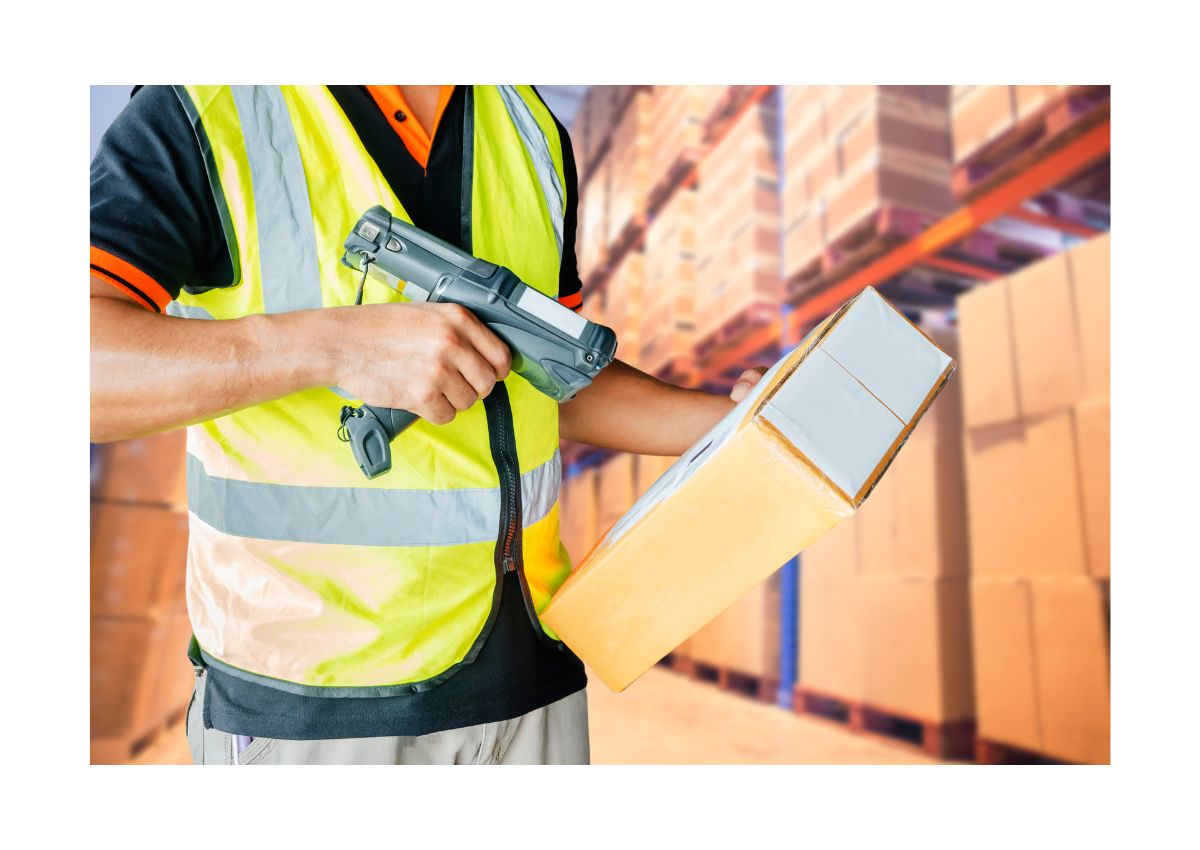
Verifying barcodes on pallets, cartons, and packages helps systems operate smoothly, reducing errors in shipping and receiving.
- Packaging & printing industry
Barcode verifiers help check quality immediately after printing, preventing mass printing errors.
4. Criteria for choosing a barcode verifier
To choose the right device, businesses should consider:
-
Type of barcode to be verified: 1D, 2D, QR Code, etc.
-
Supported international standards: ISO/IEC 15416, ISO/IEC 15415, GS1
-
Camera size and resolution
-
Portability: desktop or handheld device
-
Reporting features: export to PDF, Excel, or integrate with ERP systems
-
Durability and brand: choose equipment from reputable brands to ensure high accuracy and long lifespan.
5. Benefits of investing in a barcode verifier
Investing in a barcode verifier is not just an expense, but a long-term solution that helps businesses:
-
Ensure the quality of output products
-
Minimize the risk of product returns
-
Save operational costs and inspection personnel expenses
-
Enhance competitiveness by meeting international standards
6. VietPOS – Barcode verification solutions for businesses
In Vietnam, VietPOS is a reputable provider specializing in high-quality barcode verification equipment, imported directly from leading global brands.
VietPOS offers customers:
-
Comprehensive solution consulting tailored to each manufacturing industry
-
International standard compliant equipment, ensuring high accuracy
-
Installation support, usage training, and thorough warranty
-
Synchronized solutions, connecting with management devices, ERP, and quality control systems
We are committed to accompanying businesses in optimizing production, controlling quality, and enhancing brand reputation.
7. Conclusion
A barcode verifier is not just a technical tool but also a strategic solution in modern industrial manufacturing. With its detailed and accurate evaluation capabilities, this device helps businesses mitigate risks, save costs, and ensure compliance with international standards.
Investing in a barcode verifier is an investment in quality, efficiency, and the sustainable development of your business.
Cần tư vấn thiết bị/giải pháp cụ thể?
Việt POS phản hồi trong 30 phút · Hotline 4 vùng · Khảo sát miễn phí.
Bài viết cùng chủ đề