Mục lục bài viết (6)
- 1. Current State of Traditional Medical Record Management
- 2. The Role of Fingerprints in Patient Record Identification and Authentication
- 3. Practical Applications in Departments, Clinics, and Medical Centers
- 4. Outstanding Advantages of Fingerprint Scanners in Healthcare
- 5. Challenges and Implementation Solutions
- 6. Conclusion
In an era of strong digital transformation, Vietnam's healthcare sector is gradually adopting modern technology to enhance management quality and healthcare services. One prominent technology is the fingerprint biometric scanner – an effective solution for patient identification and authentication within the Electronic Medical Record (EMR) system. This technology not only helps minimize errors in record keeping but also increases security, transparency, and convenience in medical examination and treatment activities.
1. Current State of Traditional Medical Record Management
For many years, medical records in Vietnam were primarily managed using paper files. This led to numerous difficulties:
-
Records are easily lost, torn, or damaged over time.
-
Difficulty in retrieving a patient's medical history.
-
Prone to errors due to duplicate names or incorrect personal information.
-
Requires significant storage space and preservation costs.
With the implementation of electronic medical records, these issues are gradually being resolved. However, the most crucial challenge remains accurate patient authentication and identification to ensure data is recorded for the correct person and record. This is where biometric fingerprint scanner technology plays a core role.
2. The Role of Fingerprints in Patient Record Identification and Authentication
Fingerprints are a unique biological characteristic that cannot be duplicated between individuals. Therefore, applying fingerprint scanners in electronic medical records offers several important benefits:
Bạn đang tìm sản phẩm cho chủ đề này?
Việt POS phân phối chính hãng — bảo hành 24-36 tháng, hỗ trợ kỹ thuật 24/7.
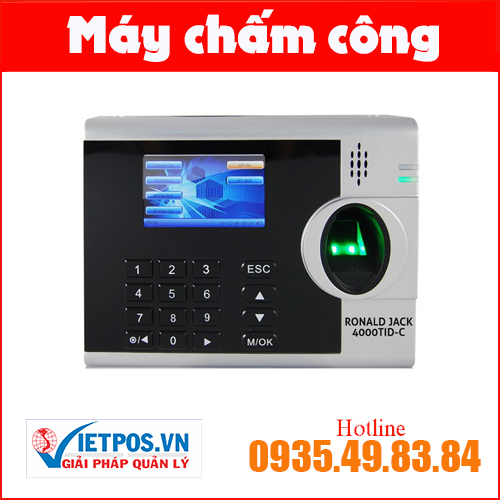
Fingerprint and proximity card time attendance machine Ronald Jack 4000TID–C

Wise Eye 9089 Fingerprint and Proximity Time Attendance Machine
SKU: Wise Eye 9089
Wise Eye 9039 Fingerprint and Proximity Card Time Attendance Machine
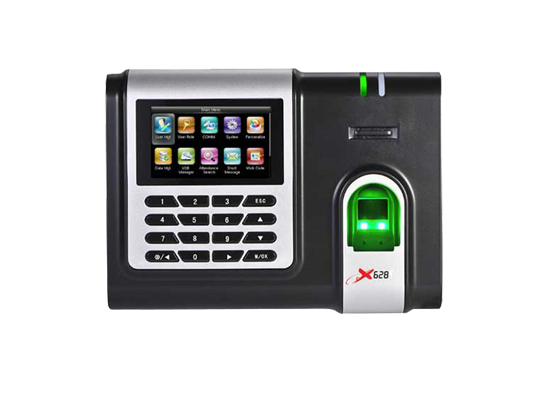
Ronald Jack X628C+ID Fingerprint and Card Time Attendance Machine
-
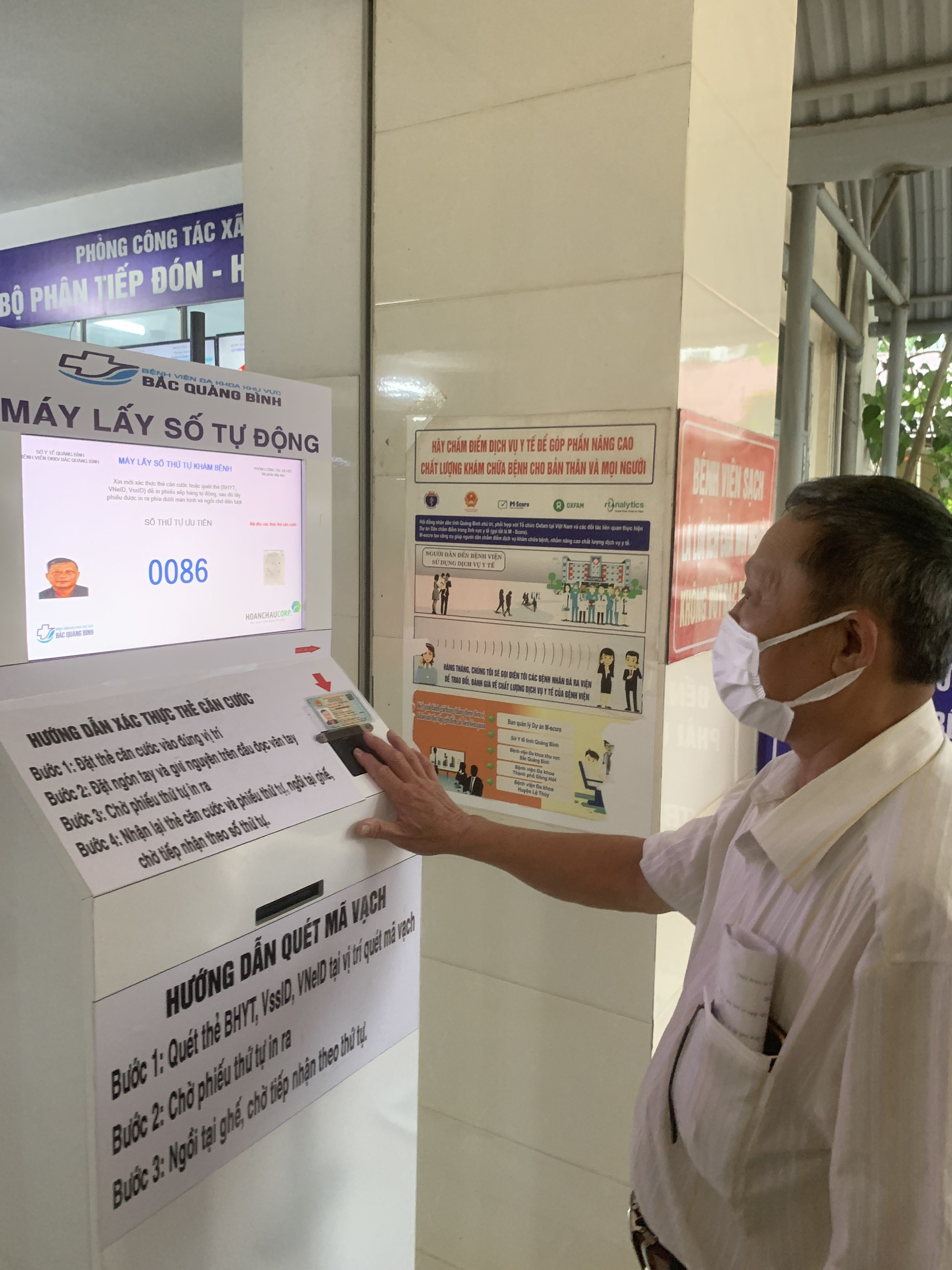
Accurate patient identification: By simply scanning a fingerprint, the system immediately retrieves the medical record, avoiding confusion when patients have similar names or updated personal information.
-
Fast and secure authentication: Patients do not need to carry personal identification, medical cards, or insurance cards for each visit. Fingerprint scanners verify identity in seconds.
-
Prevents health insurance fraud: Thanks to fingerprints, the system detects and eliminates cases where one person uses multiple cards or falsifies information.
-
Interoperable medical data: Electronic medical records are synchronized on a national system, with each patient having a unique fingerprint-based identifier, facilitating transfers or follow-up visits at different medical facilities.
3. Practical Applications in Departments, Clinics, and Medical Centers
Fingerprint biometric scanners are being deployed in various stages of the healthcare system:
3.1. Patient Registration
Upon patient arrival, staff simply scan a fingerprint for the system to automatically display all personal information, treatment history, health insurance, and previous prescriptions. The registration process becomes fast, accurate, and transparent.
3.2. Electronic Medical Record Management
Each time a doctor prescribes medication, orders tests, or performs surgery, all data is directly stored in the electronic record linked to the patient's fingerprint ID. This prevents misrecording and helps doctors easily track long-term treatment progress.
3.3. Laboratory Tests and Diagnostic Imaging
When patients undergo blood tests, ultrasounds, or X-rays, the results are linked to the biometric identifier. Doctors can simply search using the patient's fingerprint to view all data, instead of manual searching.
3.4. Payment and Health Insurance
The application of fingerprint scanners helps synchronize insurance information and supports paperless payments. This minimizes fraud and shortens processing times.
3.5. Internal Healthcare Management
In addition to patients, doctors, nurses, and medical staff can also use fingerprint scanners for timekeeping, shift management, and accessing patient data according to their authorized roles. This ensures system security and strict access control.
4. Outstanding Advantages of Fingerprint Scanners in Healthcare
Compared to traditional identification methods such as magnetic cards, QR codes, or passwords, fingerprint scanners offer many superior advantages:
-
No need to carry: Fingerprints are always with the patient, eliminating concerns about forgetting or losing them.
-
Fast recognition speed: Authentication in just 1-2 seconds.
-
Reasonable cost: Compared to iris or facial recognition technology, fingerprint scanners are more affordable and easier to deploy widely.
-
High security: Fingerprint data is encrypted and stored according to international security standards, making it impossible to copy.
-
Flexible integration: Can connect with hospital management software, electronic medical records, health insurance, and other management systems.
5. Challenges and Implementation Solutions
Despite its many benefits, the application of fingerprint scanners in electronic medical record management also faces some challenges:
-
IT infrastructure in many district-level hospitals is still limited.
-
The habit of using paper records is not easy to change quickly.
-
Medical data security requirements must be prioritized to prevent information leaks.
To address these, Medical Centers need to:
-
Invest in robust network infrastructure and server systems.
-
Train medical staff on using equipment and management software.
-
Choose genuine, high-quality fingerprint scanners from reputable suppliers.
-
Strictly adhere to international standards for medical data security regulations.
6. Conclusion
The application of fingerprint biometric scanners in electronic medical record management is a significant step towards modernizing and digitizing the Vietnamese healthcare sector comprehensively. This technology not only supports accurate patient identification and authentication but also enhances management quality, saves costs, prevents fraud, and lays the foundation for a smart healthcare system in the future.
In the context of national digital transformation, the adoption of fingerprint scanners in Departments, Clinics, and Medical Centers is not only an inevitable trend but also a key solution to ensure all patients receive fast, accurate, and safe service.
👉 Việt Pos is proud to be a provider and official distributor of medical fingerprint scanner lines nationwide. With many years of experience in identification equipment and smart management solutions, we are committed to bringing modern, reliable, and cost-optimized solutions to hospitals, clinics, and medical centers.
Contact Việt Pos – 0935 498 384 now for detailed consultation and the best quotation!
Cần tư vấn thiết bị/giải pháp cụ thể?
Việt POS phản hồi trong 30 phút · Hotline 4 vùng · Khảo sát miễn phí.
Bài viết cùng chủ đề