Mục lục bài viết (7)
- What is an ID card scanning and storage solution and why is it necessary?
- What are the main components of an ID card scanning and storage system?
- What steps are involved in deploying an ID card scanning and storage solution?
- Typical use cases for ID card scanning solutions?
- What is the cost of deploying an ID card scanning and storage solution?
- What security and legal compliance standards apply?
- Next Steps — Deploying an ID Card Scanning Solution for Your Business
In the context of digital transformation, accurate identity information management is a vital requirement for banks, police agencies, airports, hotels, hospitals, and public service centers. The ID card scanning and storage solution not only automates the registration process but also enhances data security and compliance with legal regulations such as Decree 13/2023 on personal data protection.
OCR (Optical Character Recognition) technology combined with biometrics helps identify and extract data from ID cards/passports/driver's licenses in 2-3 seconds, with 99%+ accuracy. Data is end-to-end encrypted and stored on a centralized server, ensuring ISO 27001 security.
What is an ID card scanning and storage solution and why is it necessary?
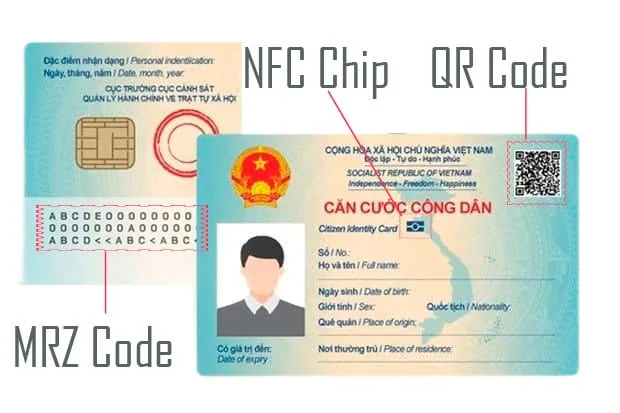
An ID card scanning and storage solution is an automated system that scans identity documents (ID cards, passports, driver's licenses) using specialized cameras or scanners, extracts data via OCR, performs biometric authentication, and securely stores it in a centralized database. This technology reduces registration time by 40-60%, eliminates manual data entry errors, and complies with personal data protection regulations.
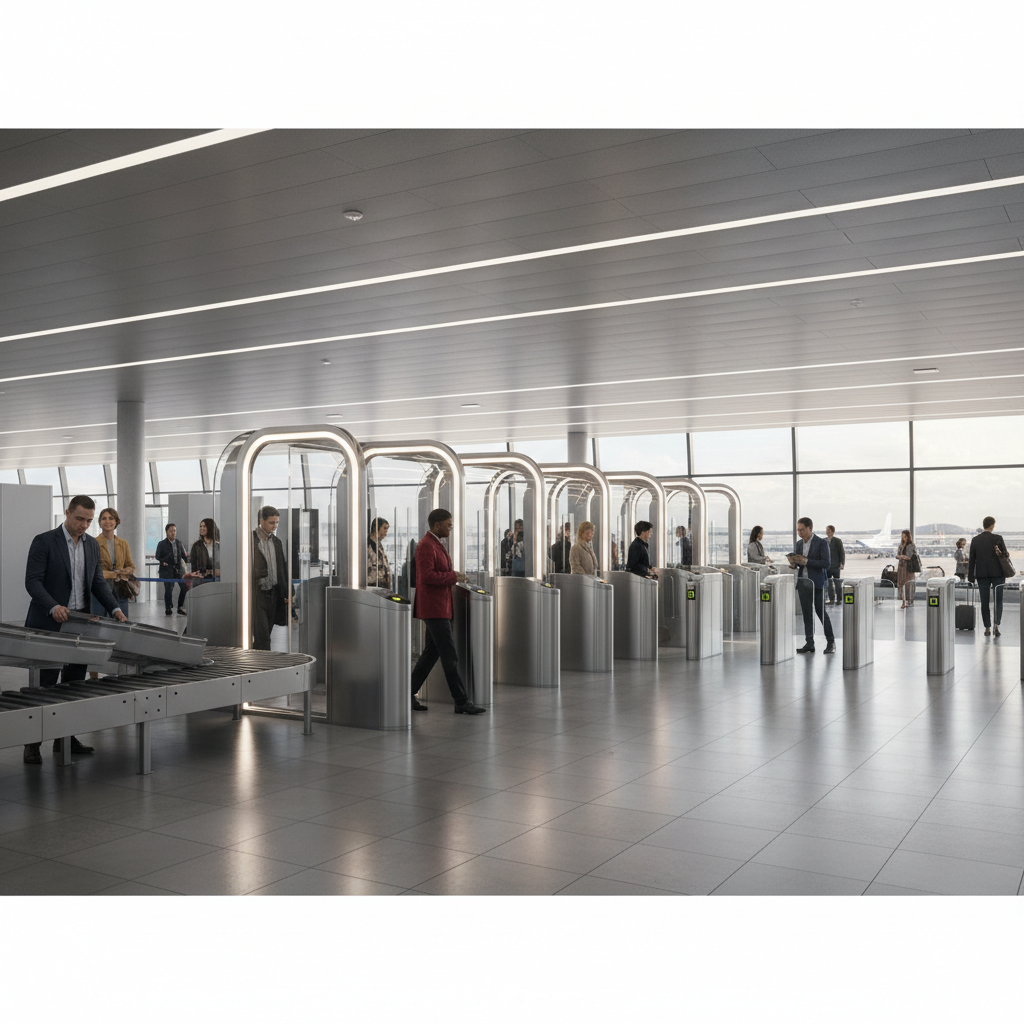
Key applications include building access control, customer registration at banks, airport passenger authentication, hotel check-in, and patient admission at hospitals. Each process is recorded with a timestamp, creating a complete audit trail for internal auditing.
What are the main components of an ID card scanning and storage system?
The system consists of 4 components: (1) Scanning device — specialized camera or scanner (300-600 DPI resolution); (2) OCR Engine — character recognition and data field extraction (full name, date of birth, address); (3) Biometric module — facial or fingerprint matching with the image on the document; (4) Centralized database — encrypted storage with automatic backup.
Bạn đang tìm sản phẩm cho chủ đề này?
Việt POS phân phối chính hãng — bảo hành 24-36 tháng, hỗ trợ kỹ thuật 24/7.
THD89 32-bit Dual-interface Smart Card CPU Card JAVA Card

Fingerprint + Proximity Card Time Attendance and Access Control Machine RONALD JACK – 5000 AID
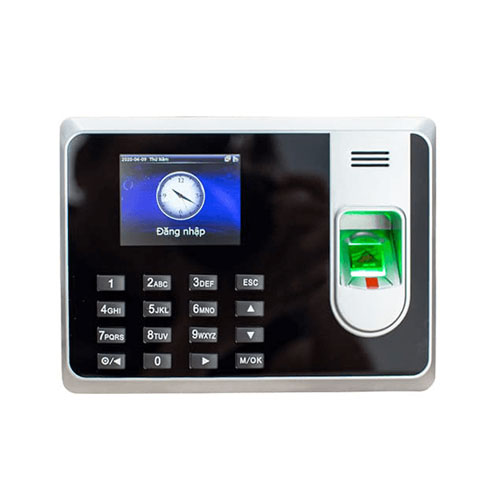
GIGATA T8A Fingerprint, Card Time Attendance and Access Control Machine
SKU: GIGATA-T8A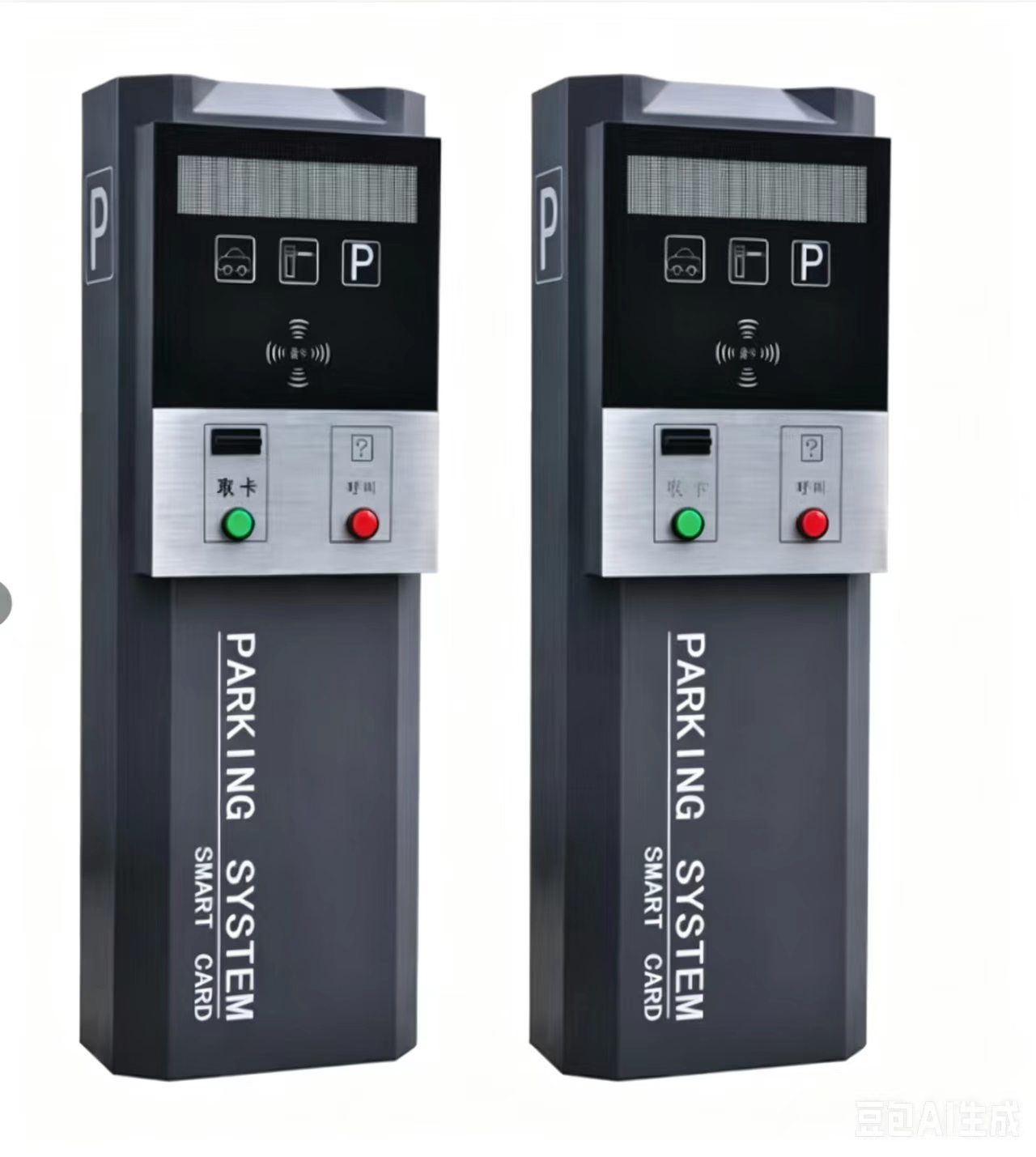
LED IC/ID Card Reader Box - Card Reader for Parking Lots
- Scanning device: 5-8MP camera or A4 scanner with a speed of 30-50 pages/minute, supporting automatic duplex scanning.
- OCR Engine: Recognizes Vietnamese, English, and Chinese with 98-99.5% accuracy.
- Biometrics: Facial authentication (1:1 matching) or fingerprint (10 points), authentication time <1 second.
- Database: SQL Server or PostgreSQL, AES-256 encryption, hourly backup, RTO recovery <4 hours.
What steps are involved in deploying an ID card scanning and storage solution?
The deployment process involves 5 steps: (1) Needs assessment and system architecture design; (2) Scanner and OCR engine configuration; (3) Integration with existing management systems (POS, CRM, warehouse management); (4) Staff training and real-world testing; (5) Operation and 24/7 support. Time from contract signing to go-live: 15-30 days.
- Survey: Viet POS technical team assesses user scale, transaction frequency, security requirements, and integration with legacy systems (if any).
- Design: Creates architectural diagrams, selects appropriate equipment (camera/scanner), determines placement, configures LAN/WiFi network.
- Installation: Installs equipment, configures OCR engine, creates database, sets up API connections with external systems.
- Test & Training: Runs 100-200 real transactions, measures OCR accuracy, authentication speed, trains 5-10 key personnel.
- Go-live: Transitions to official operation, monitors KPIs (time/transaction, OCR error rate, system uptime).
Typical use cases for ID card scanning solutions?
ID card scanning solutions are widely deployed in banks (customer authentication for account opening), airports (passenger control), hotels (automated check-in), hospitals (patient admission), and public service centers (issuing licenses, passports). Each industry has specific security and compliance requirements.
| Industry | Use Case | Key Benefits | Security Requirements |
|---|---|---|---|
| Banking | Account opening, KYC (Know Your Customer) | Reduces time by 50-60%, AML/CFT compliance | ISO 27001, AES-256 encryption, audit trail |
| Airports | Passenger control, automated check-in | Increases throughput by 30-50%, reduces queues | ICAO Doc 9303, 1:1 biometrics |
| Hotels | Check-in/check-out, guest management | 80% automation, enhances guest experience | GDPR, stored for 30 days then deleted |
| Hospitals | Patient admission, medical record management | Reduces data entry errors, increases speed | HIPAA, end-to-end encryption, access control |
| Public Service Centers | Issuing licenses, passports, driver's licenses | Reduces waiting time by 40%, increases reliability | Decree 13/2023, stored for 5 years |
What is the cost of deploying an ID card scanning and storage solution?
Deployment costs range from 80-200 million VND depending on scale, including equipment (30-50%), OCR software (20-30%), infrastructure (15-25%), and deployment services (15-20%). Small scale (1 location, <100 transactions/day) from 80-120 million; medium scale (3-5 locations, 300-500 transactions/day) from 120-160 million; large scale (10+ locations, 1000+ transactions/day) from 160-200+ million.
- Scanning equipment: 5-8MP camera (8-15 million/unit) or A4 scanner (12-20 million/unit). Quantity depends on placement.
- OCR software: Perpetual license or monthly SaaS. Specialized Vietnamese OCR: 15-25 million/license.
- Server & Database: On-premise (40-60 million) or Cloud (3-5 million/month). Backup, disaster recovery additional 5-10 million.
- Deployment & Training: Survey, installation, testing, training: 15-30 million. 24/7 support for the first year: 5-10 million/year.
- Annual maintenance: License renewal, security patches, backup: 8-15% of system value/year.
What security and legal compliance standards apply?
The ID card scanning solution must comply with Decree 13/2023 (Vietnamese personal data protection), ISO 27001 (information security management), GDPR (if processing EU data), HIPAA (if in healthcare), and ICAO Doc 9303 (if scanning airport passports). Data must be AES-256 encrypted, have a complete audit trail, and be deleted after the specified retention period (30 days-5 years depending on industry).
- Decree 13/2023: Requires data subject consent, encryption, access control, audit trail, breach reporting within 72 hours.
- ISO 27001: Annual security audits, risk management, business continuity plan (BCP).
- GDPR (if applicable): Right to access, right to be forgotten, data portability, privacy by design.
- HIPAA (healthcare): End-to-end encryption, access logs, minimum necessary principle, breach notification.
Next Steps — Deploying an ID Card Scanning Solution for Your Business
The Viet POS technical team provides free surveys, system architecture consulting, and selects suitable equipment and OCR software for your industry. Contact hotline 0935 498 384 or regional offices to schedule a demo and request a detailed quote.
Cần tư vấn thiết bị/giải pháp cụ thể?
Việt POS phản hồi trong 30 phút · Hotline 4 vùng · Khảo sát miễn phí.
Bài viết cùng chủ đề